krumbi.de
Deutsch

Gallery · November 2026

Venice

Automatically translated (Gemini). Original in German

Coat of arms of Venedig

Venice is a city in northeastern Italy and the capital of the Veneto region. The historic center is built on 127 islands in a lagoon and is world-famous for its canals, bridges, and palazzi. Venice and its lagoon have been a UNESCO World Heritage site since 1987.

Wikipedia link: https://en.wikipedia.org/wiki/Venice

Coat of arms of Venedig: ashoppio, CC BY-SA 4.0 · Wikimedia Commons

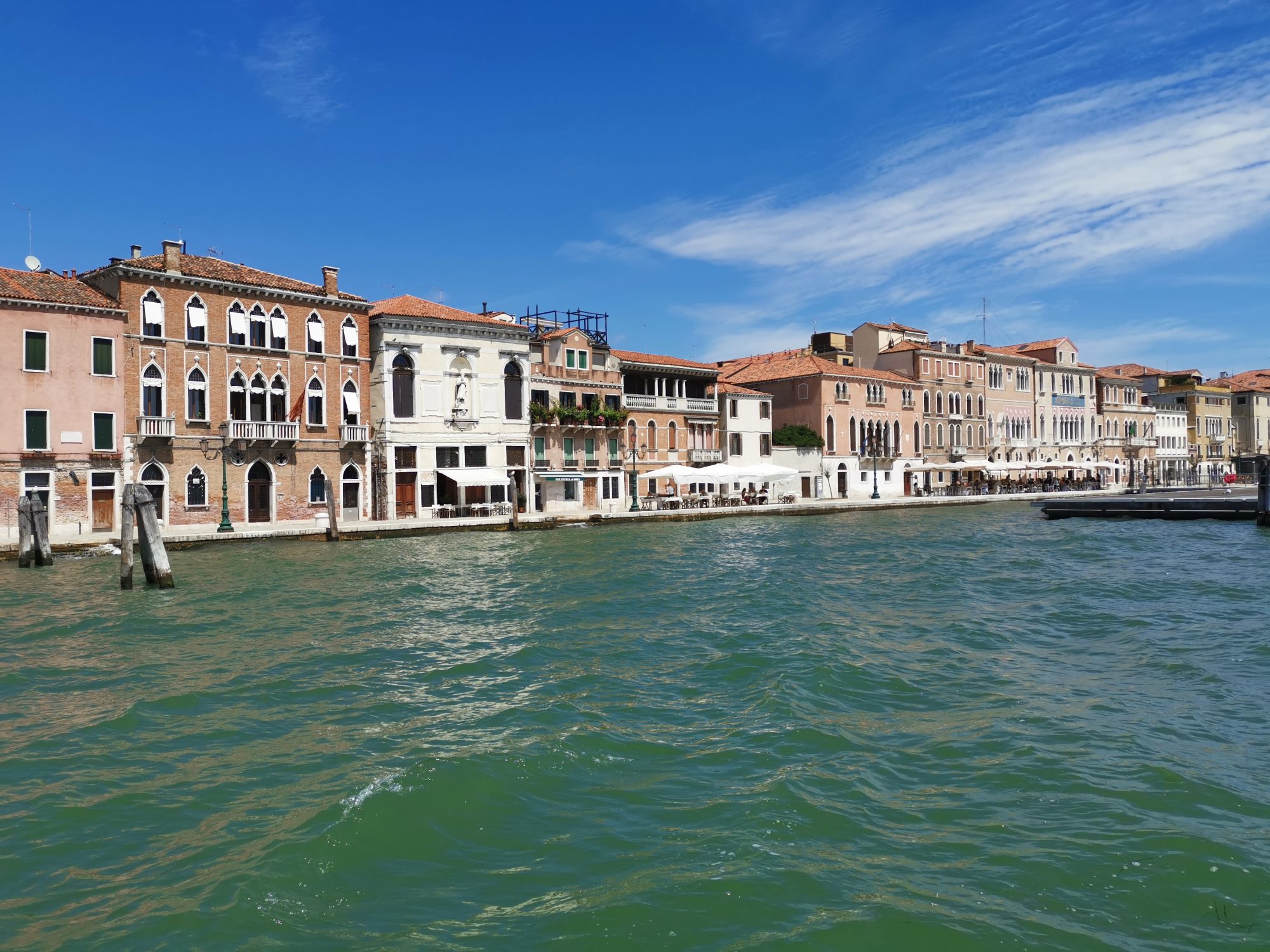
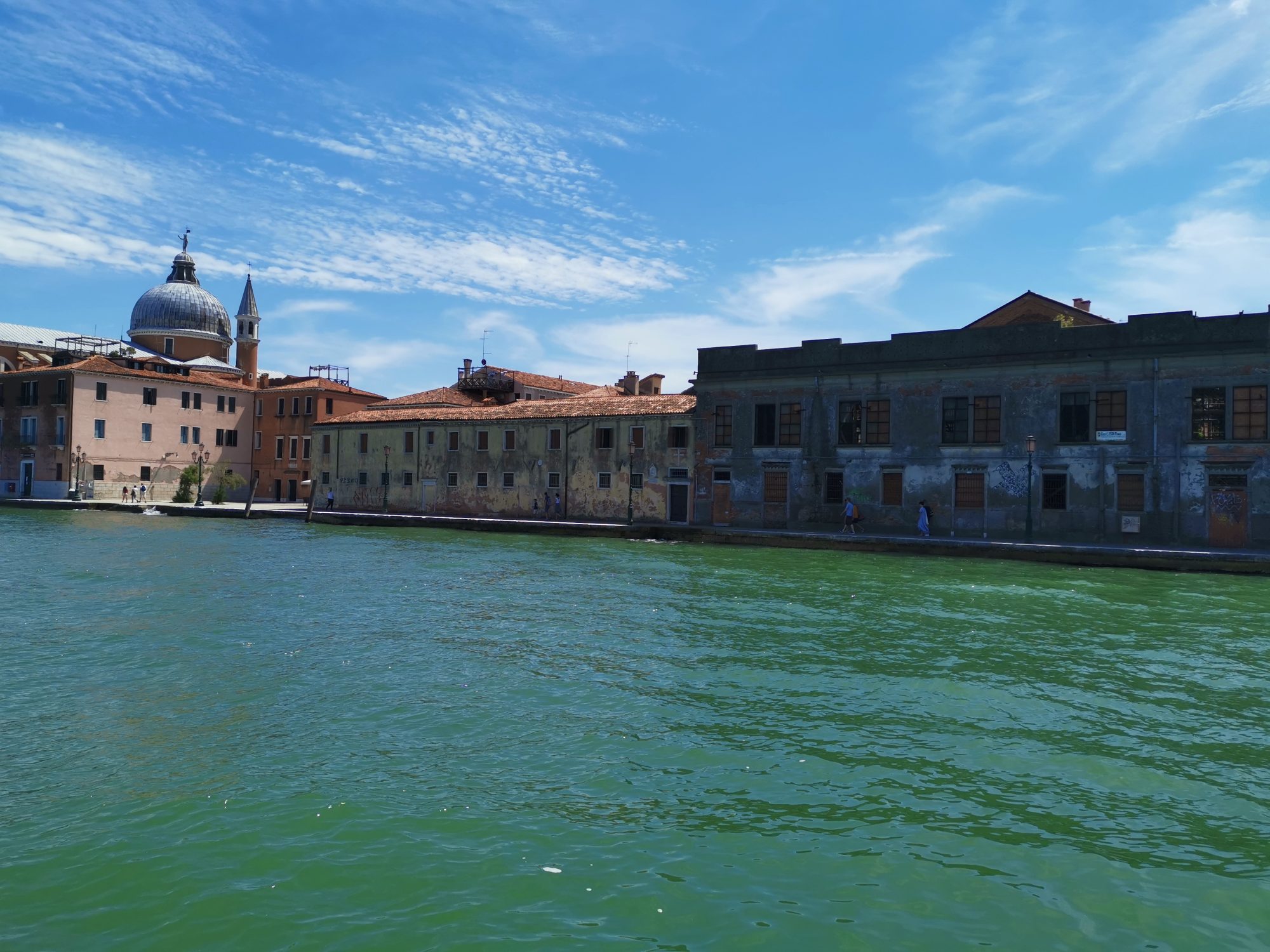
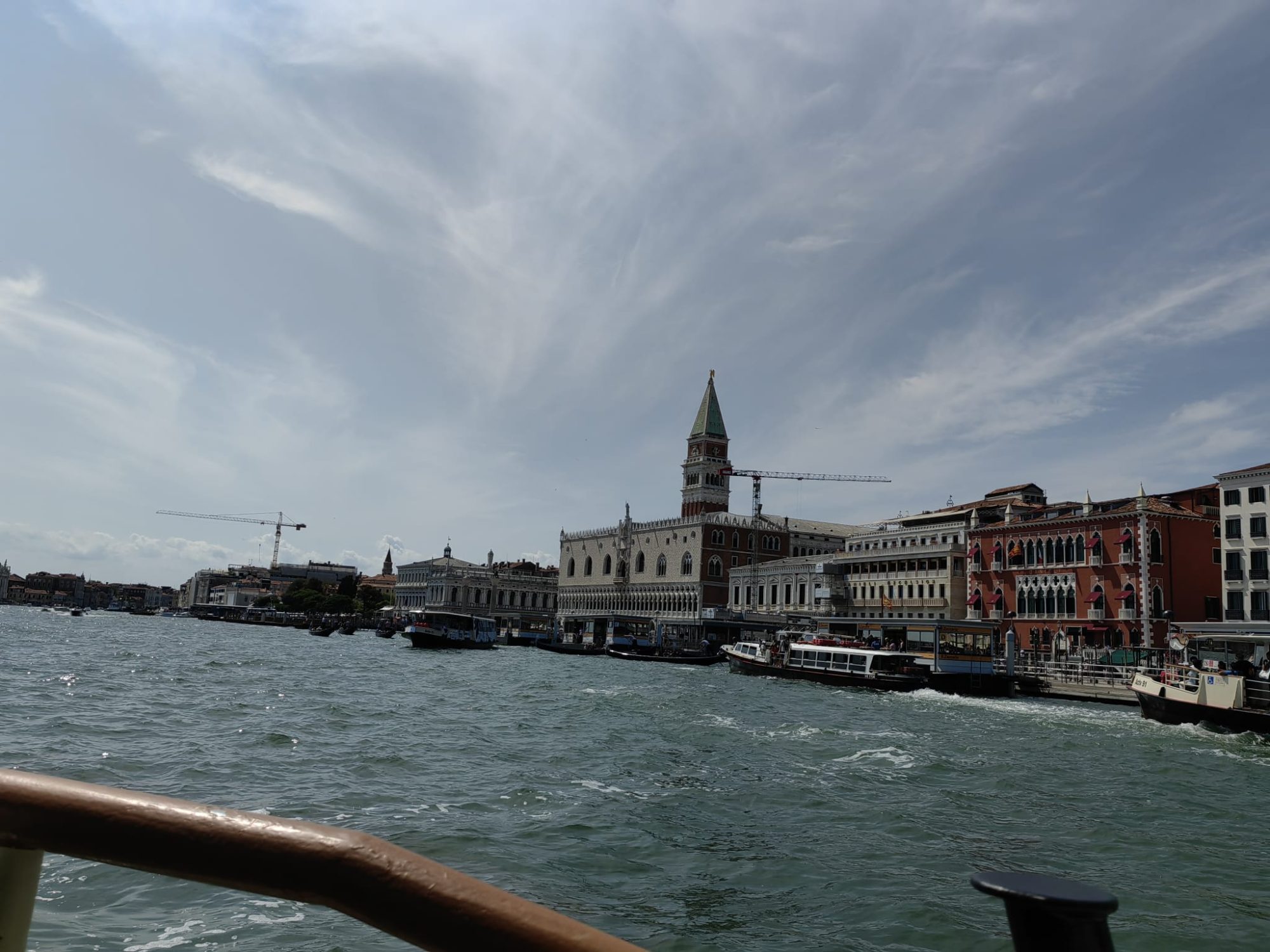
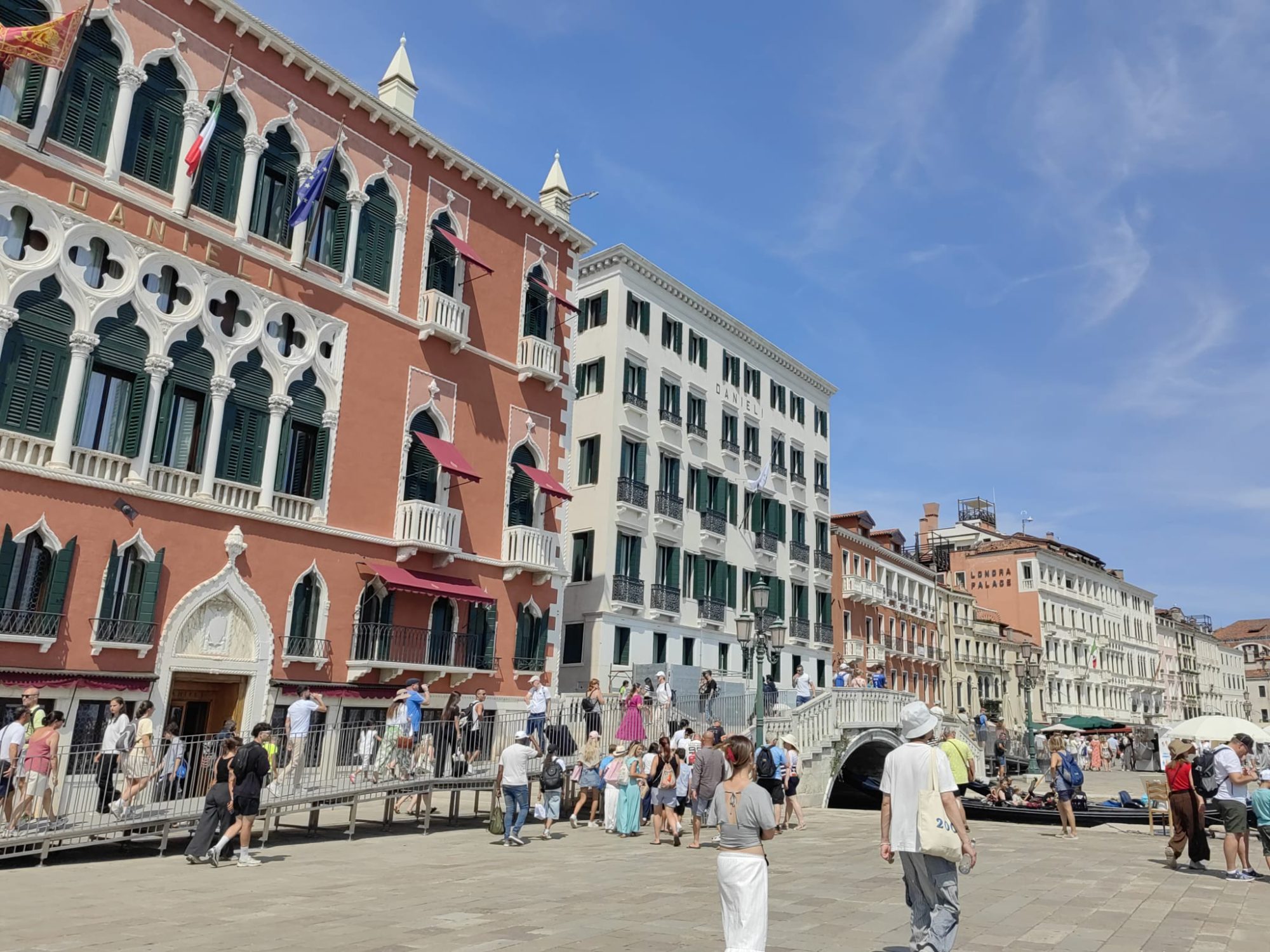
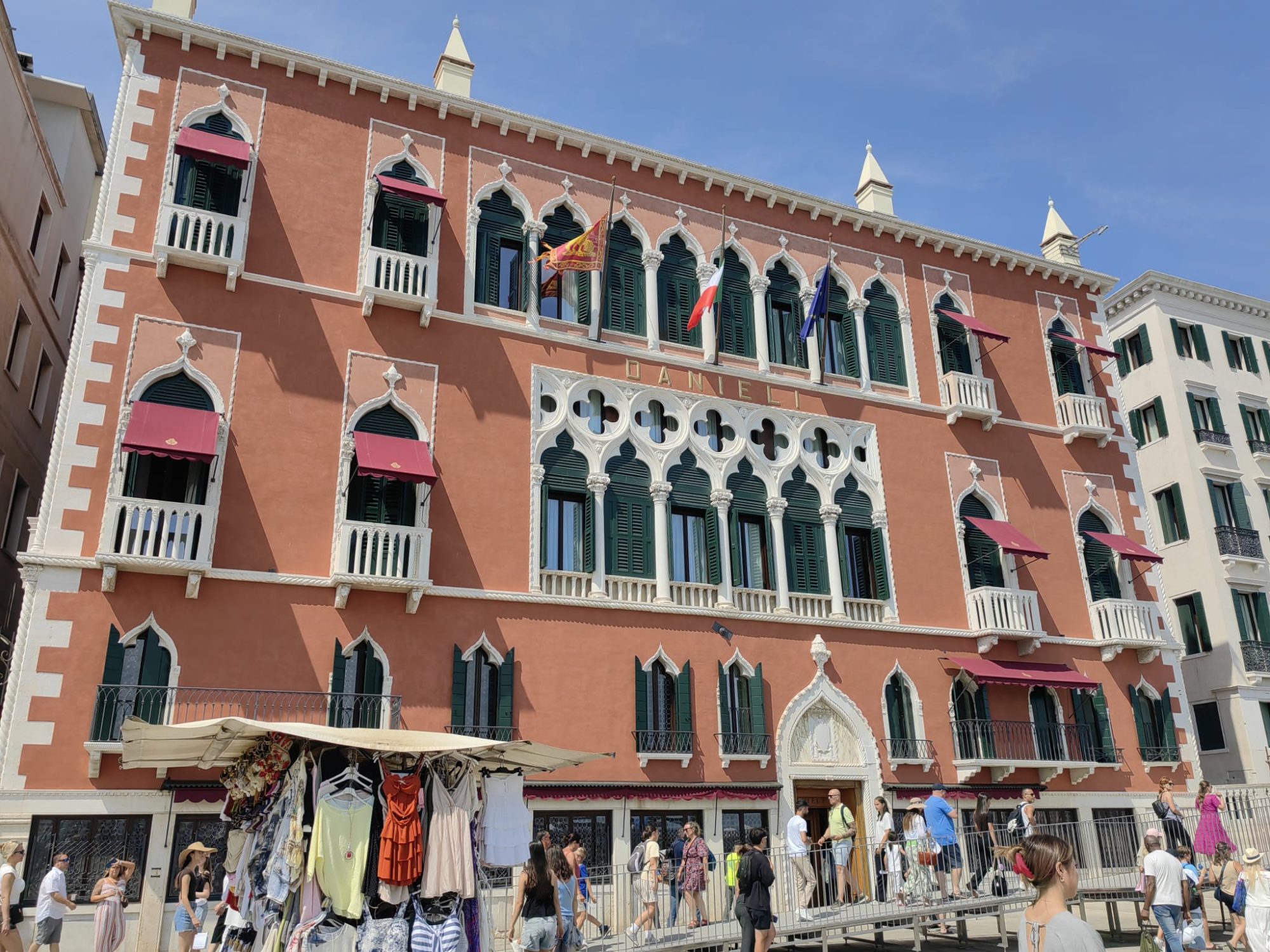
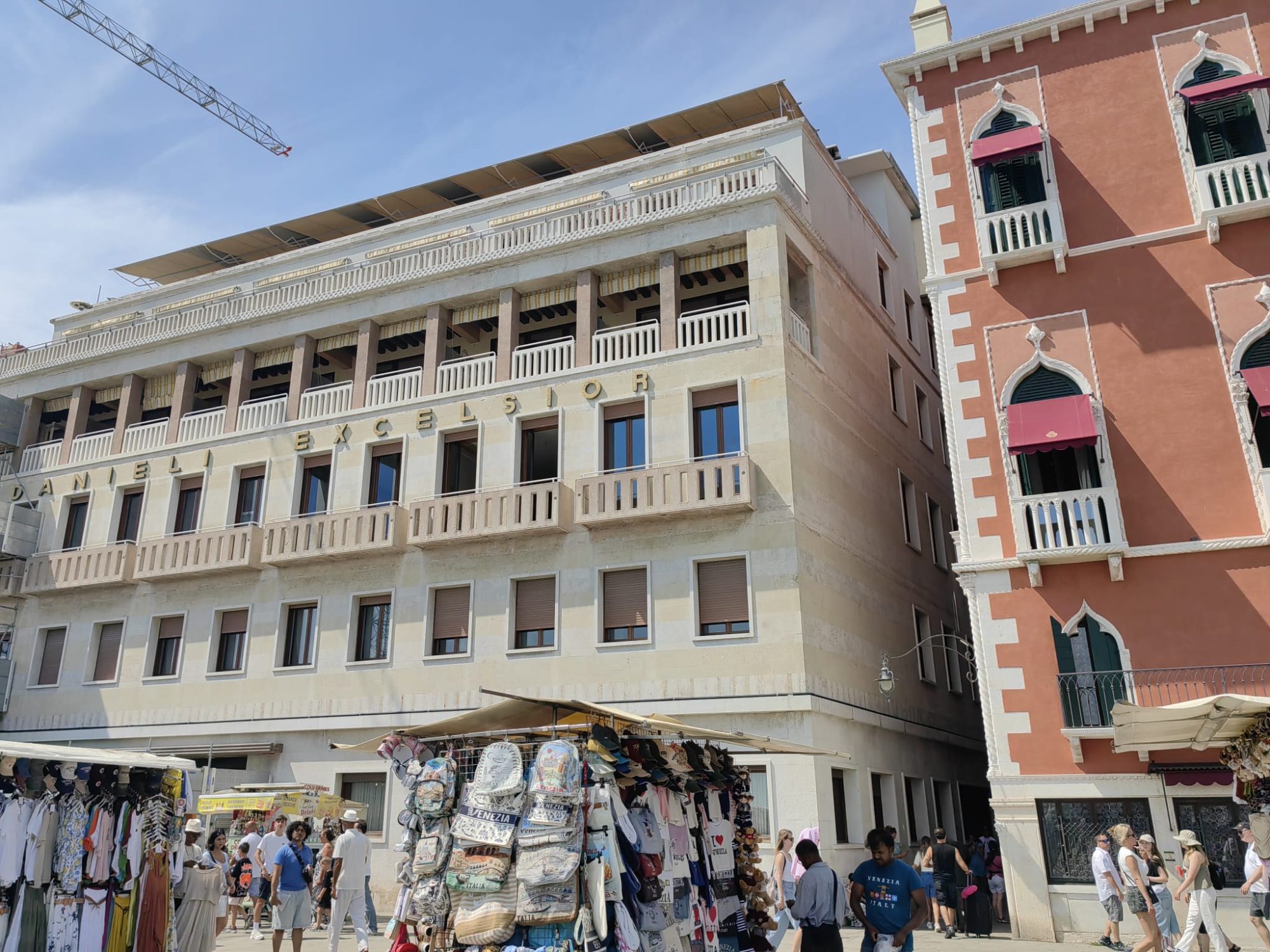
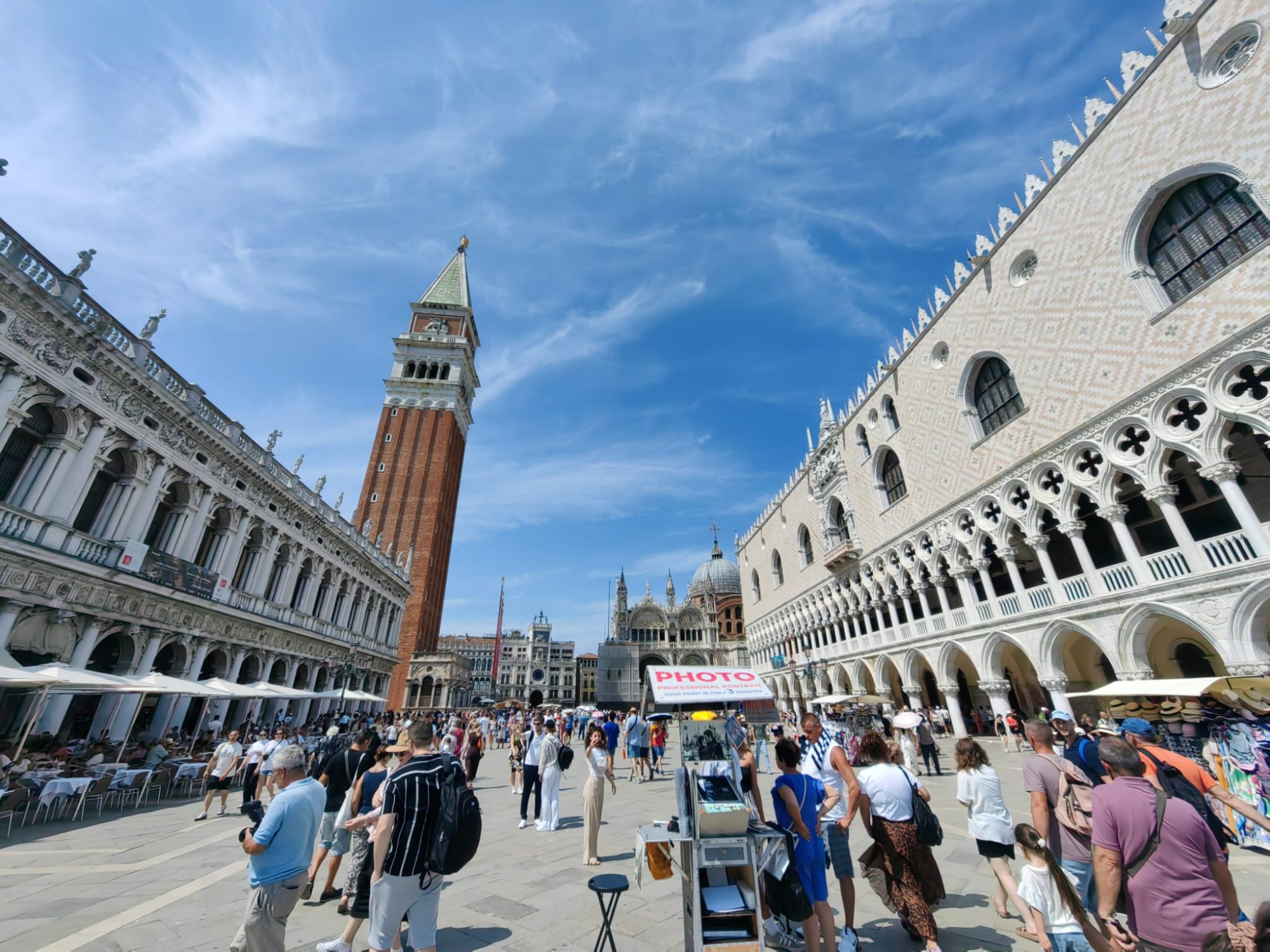
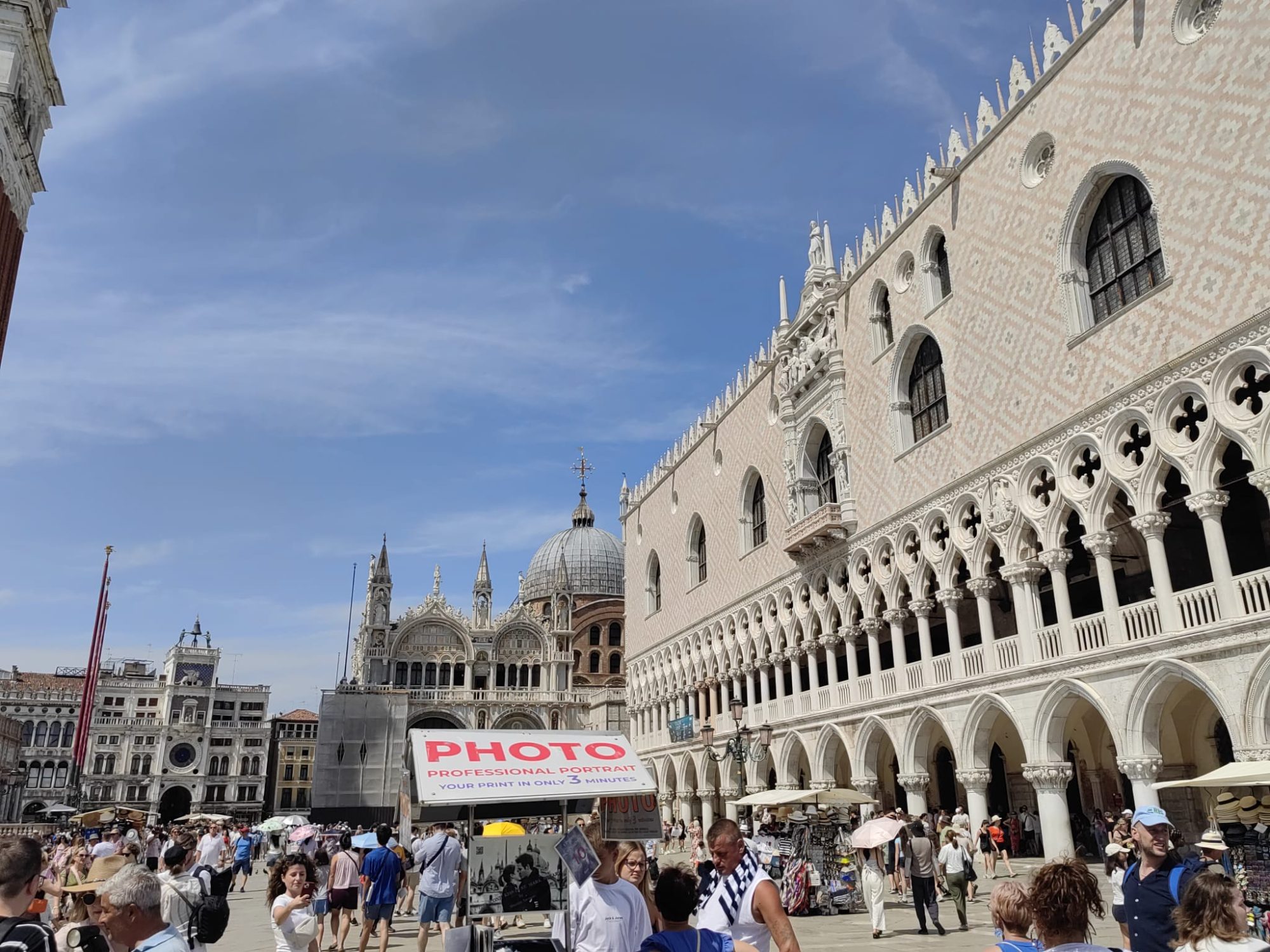
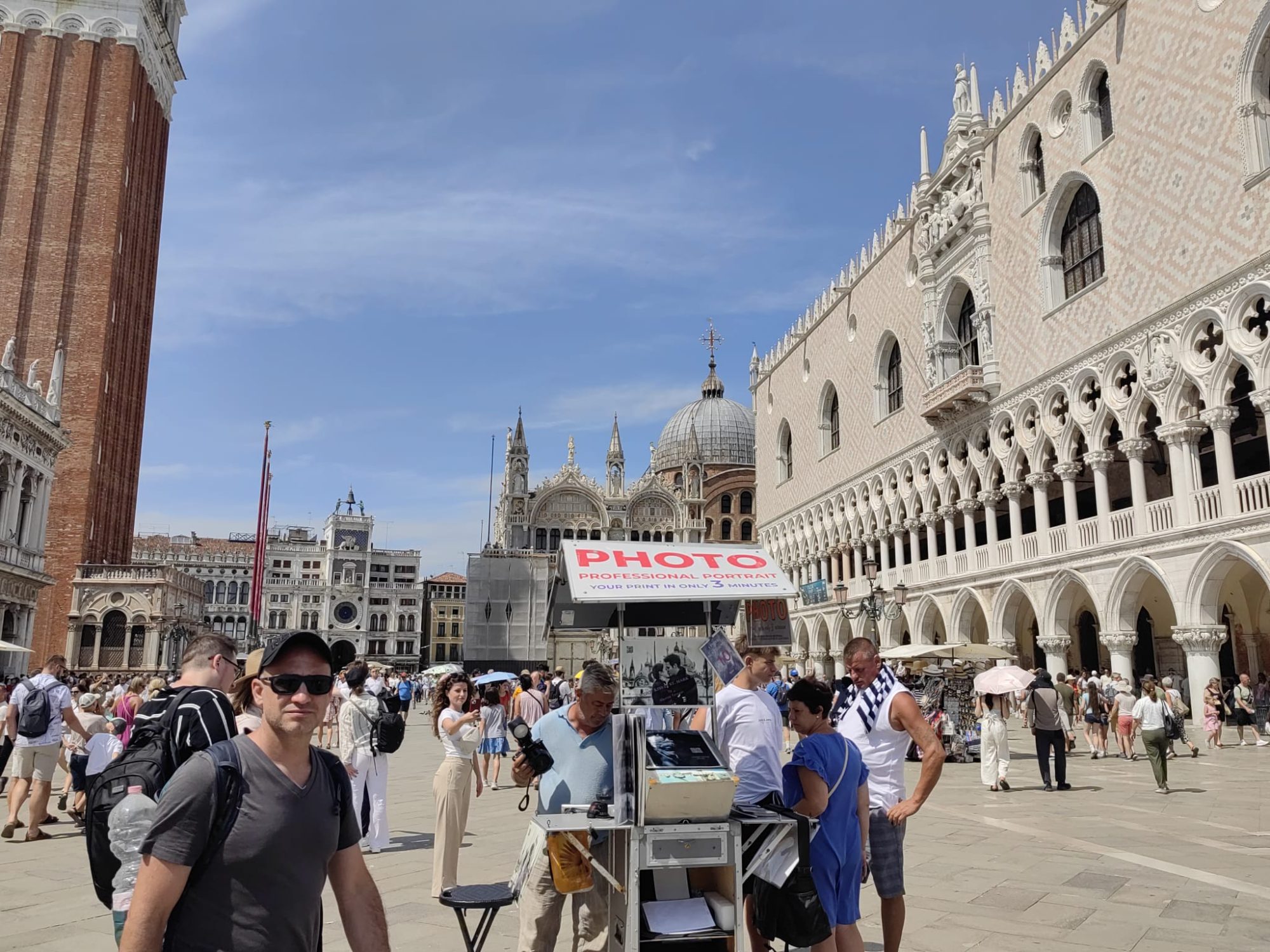
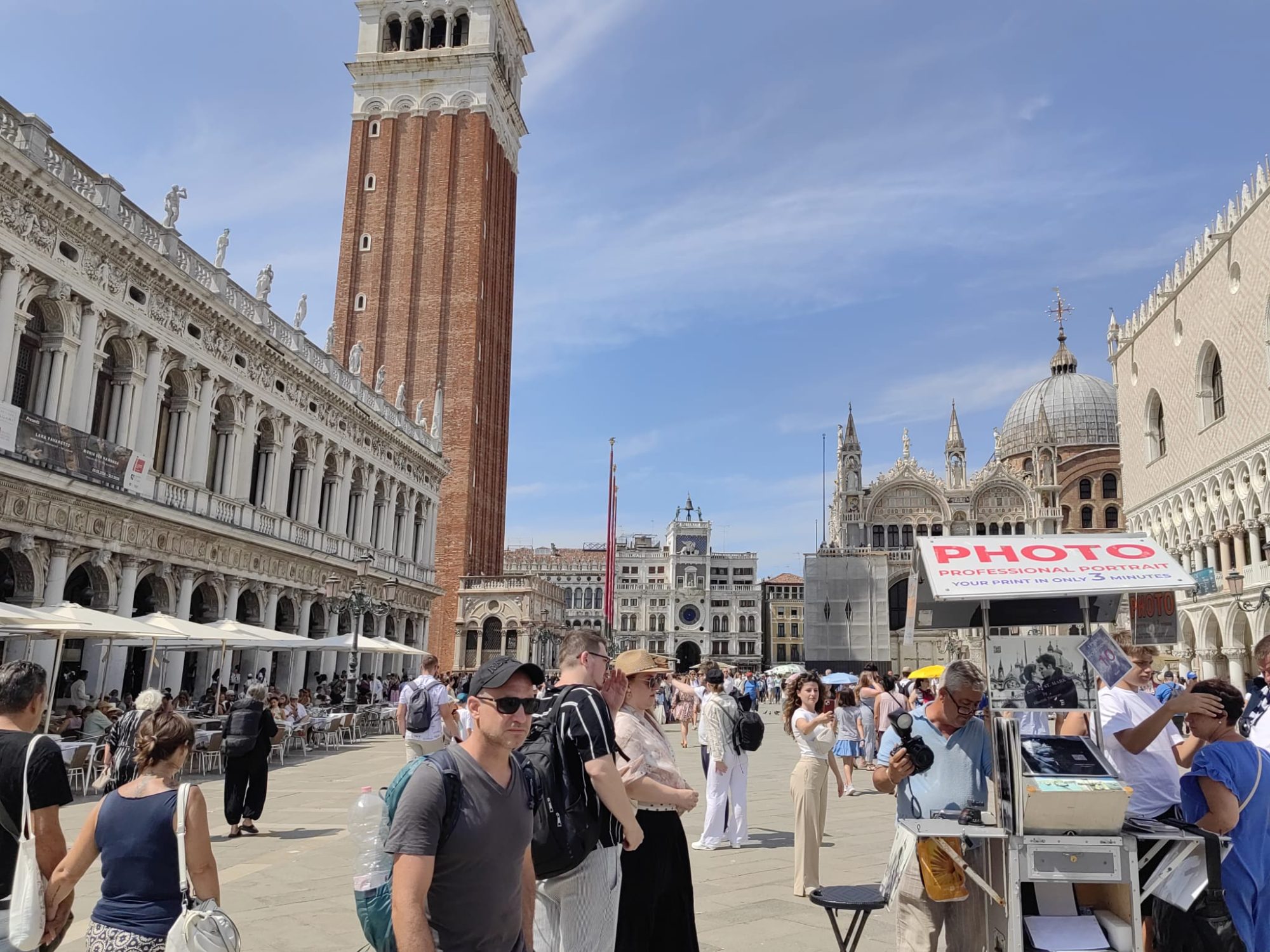
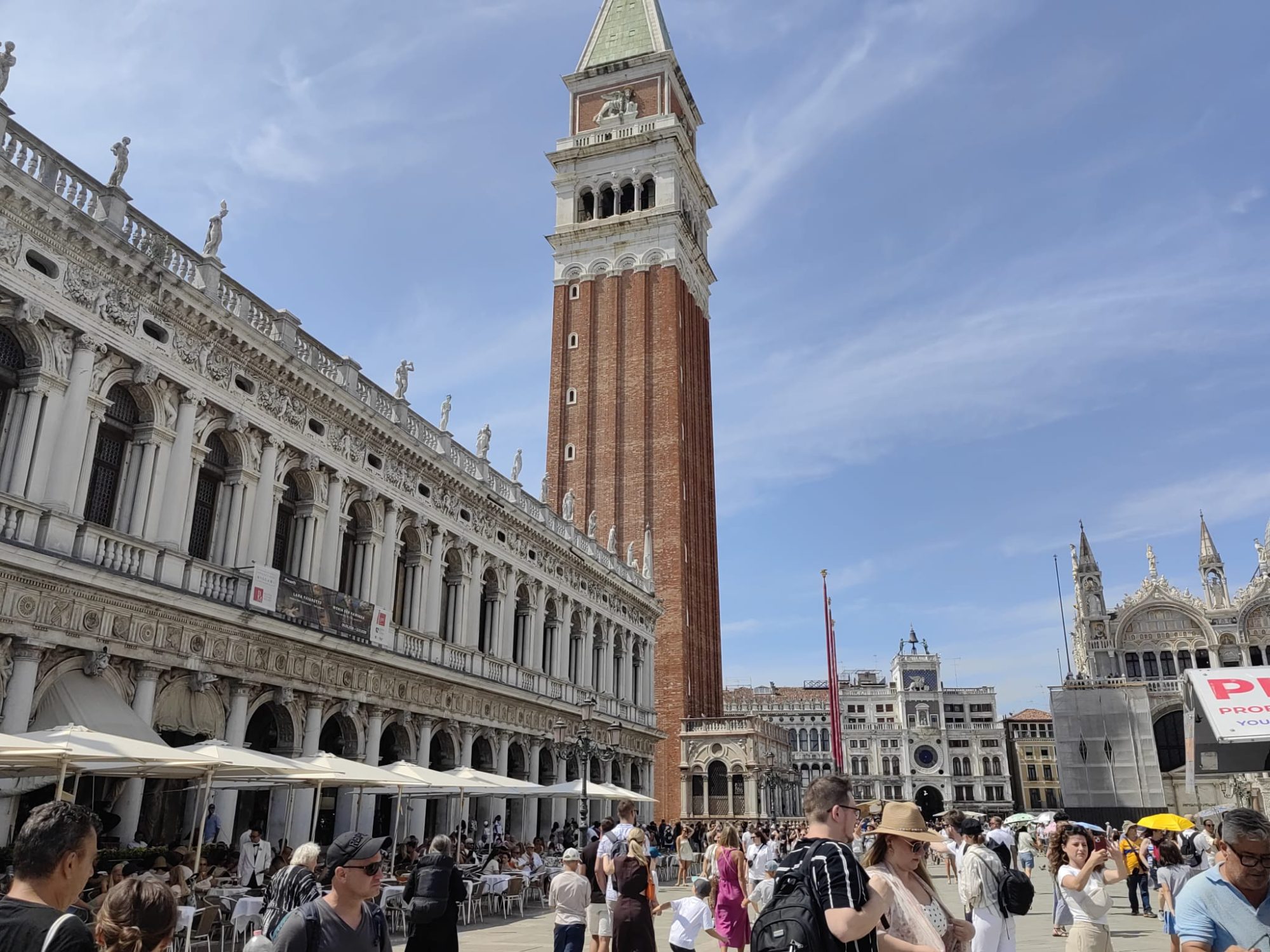
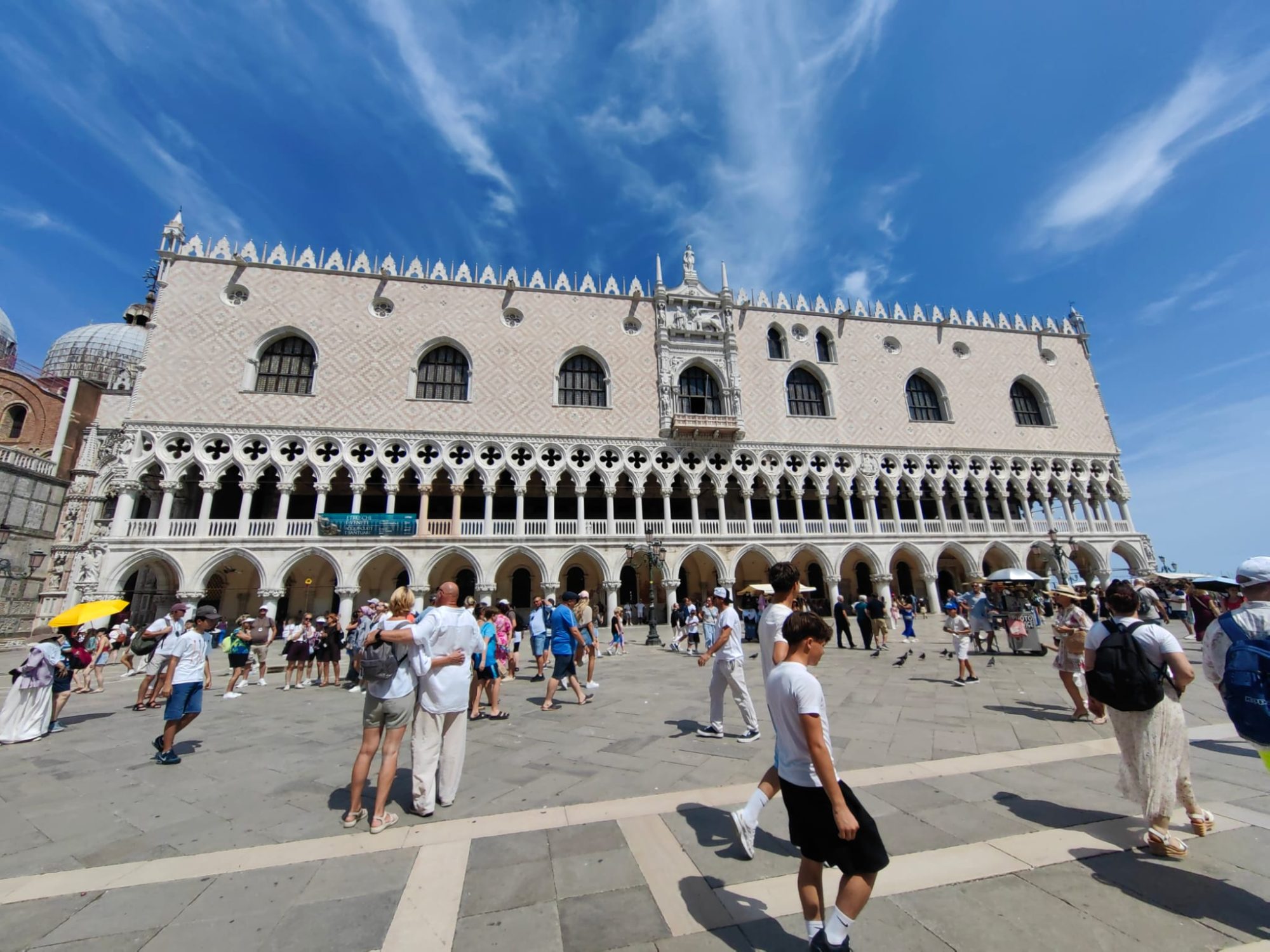
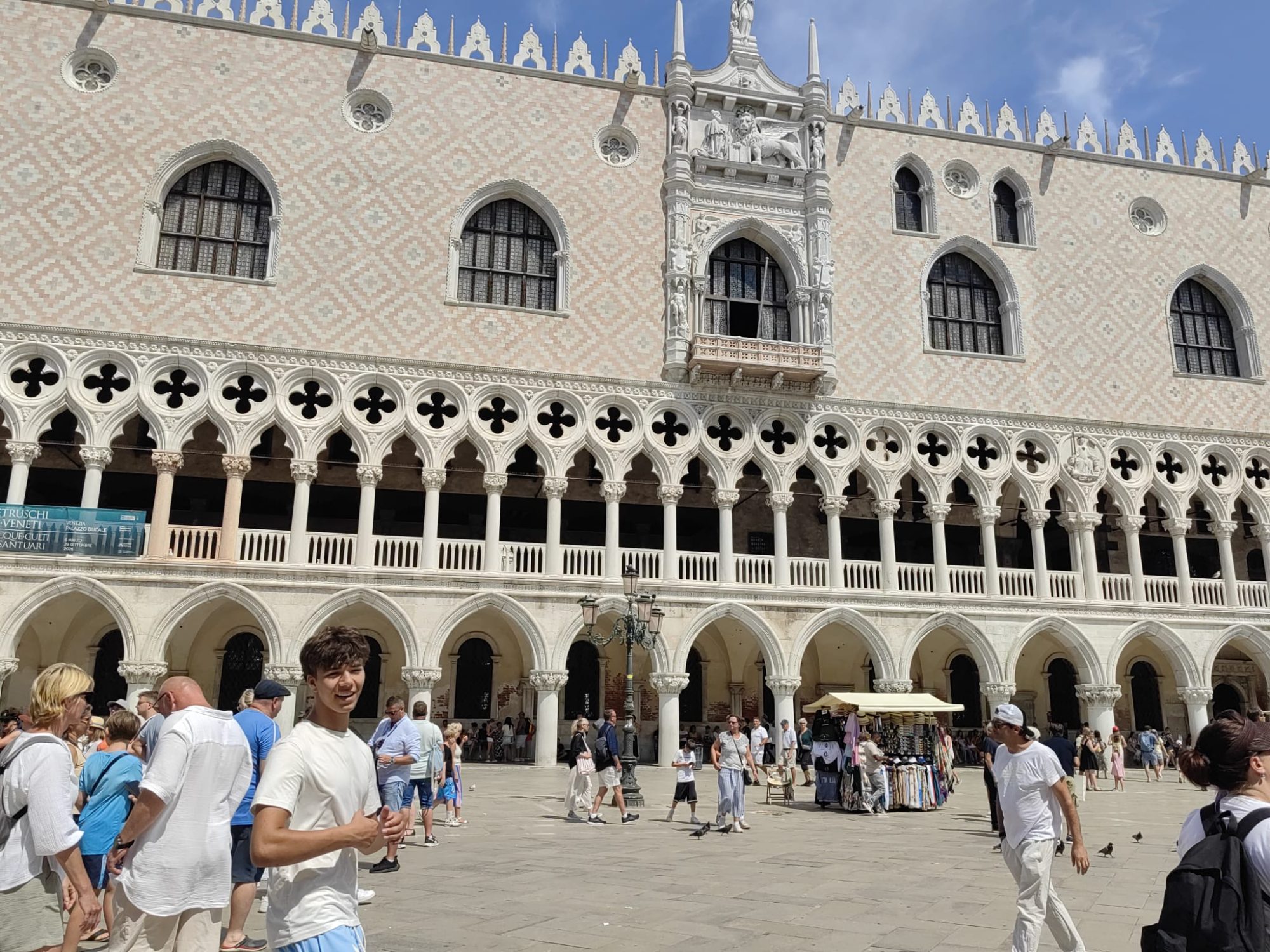
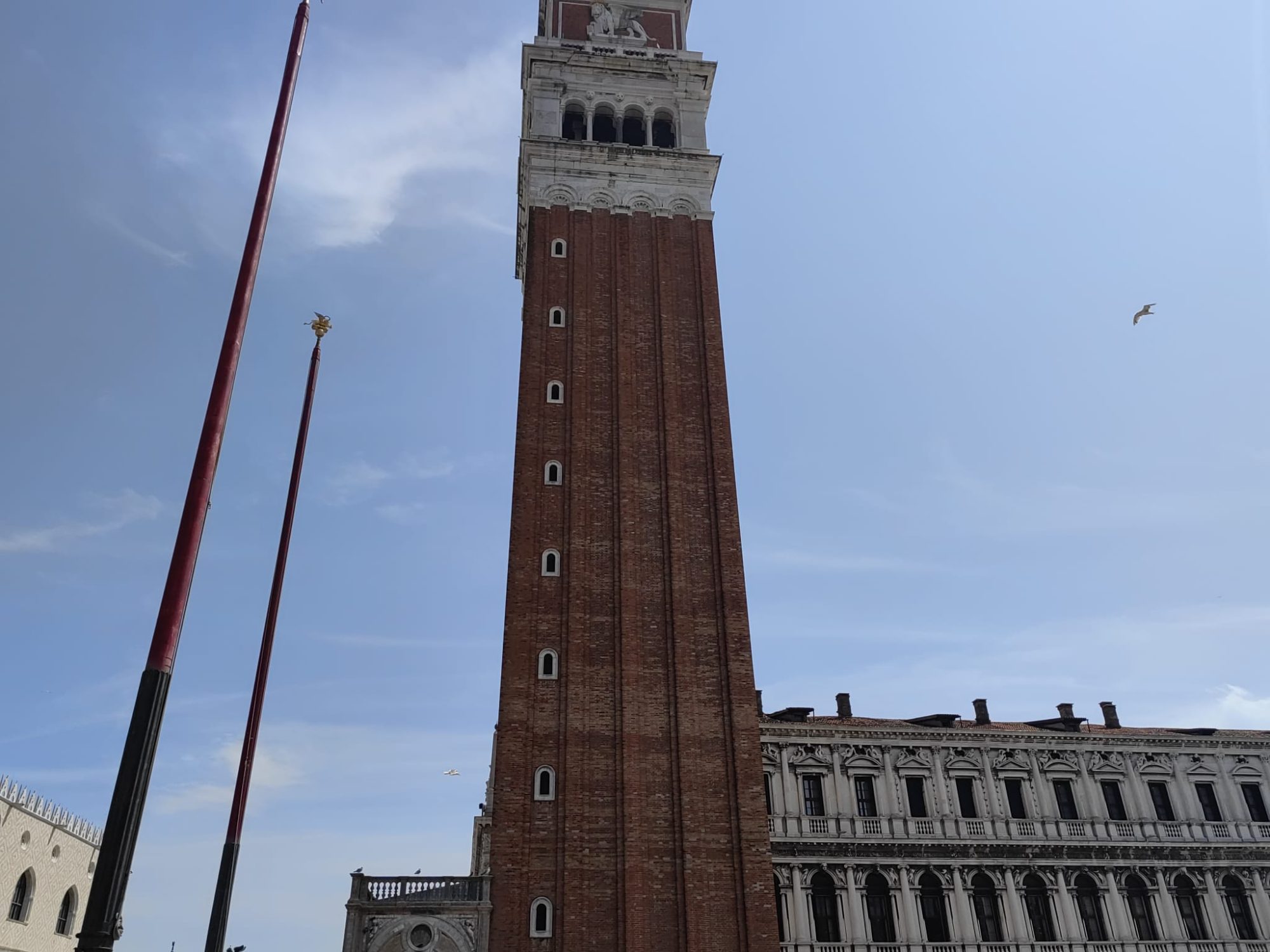
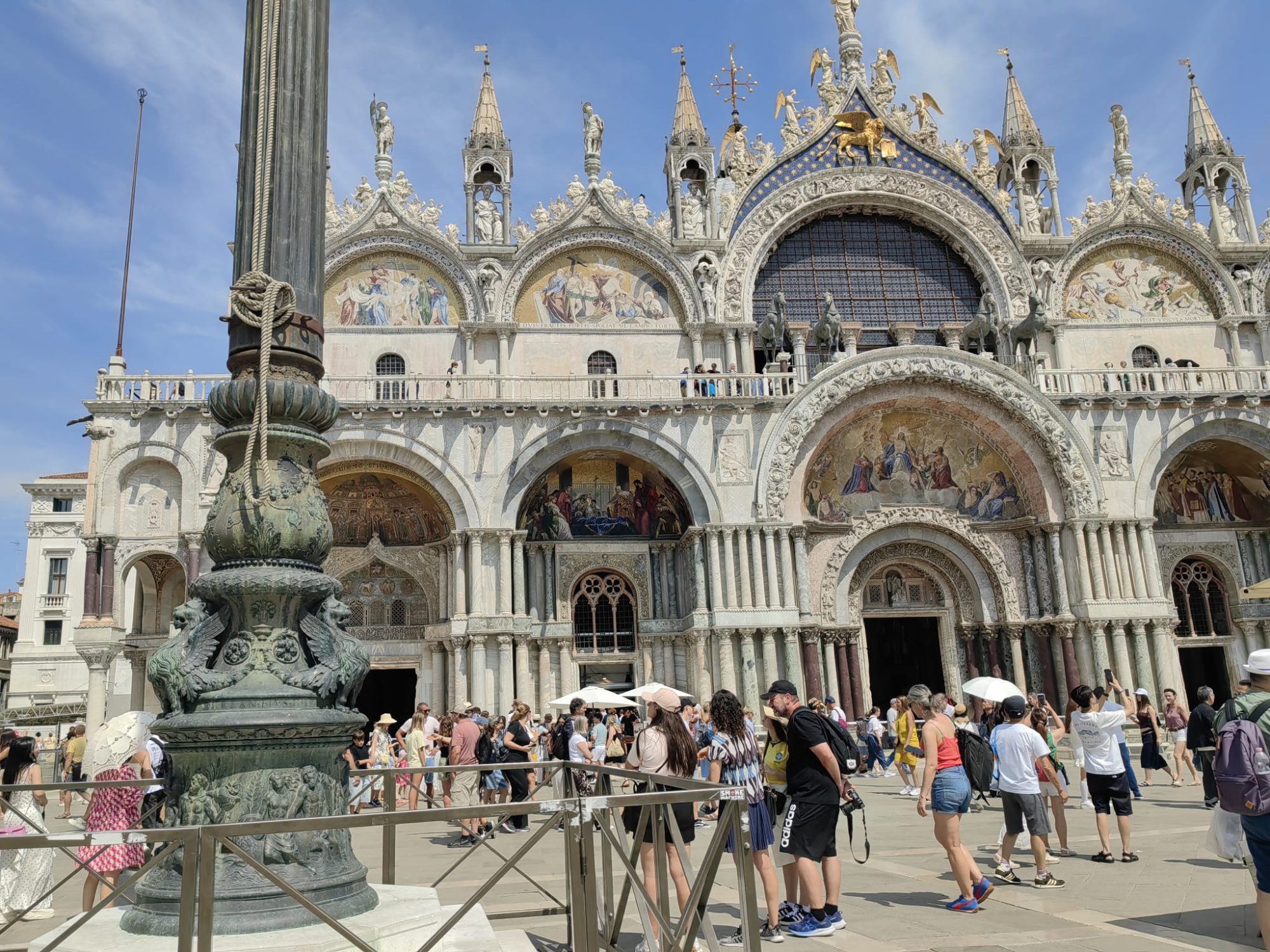
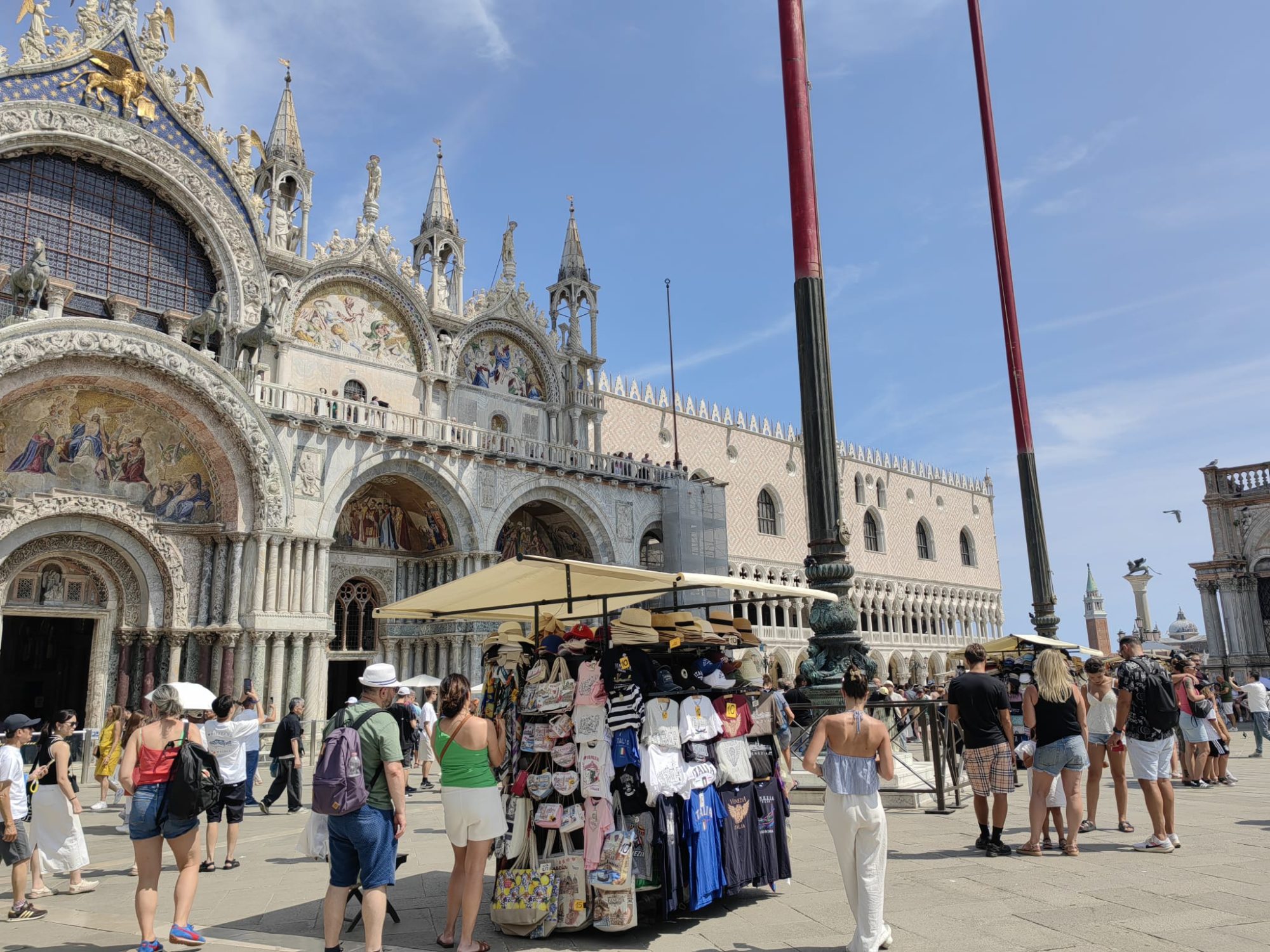
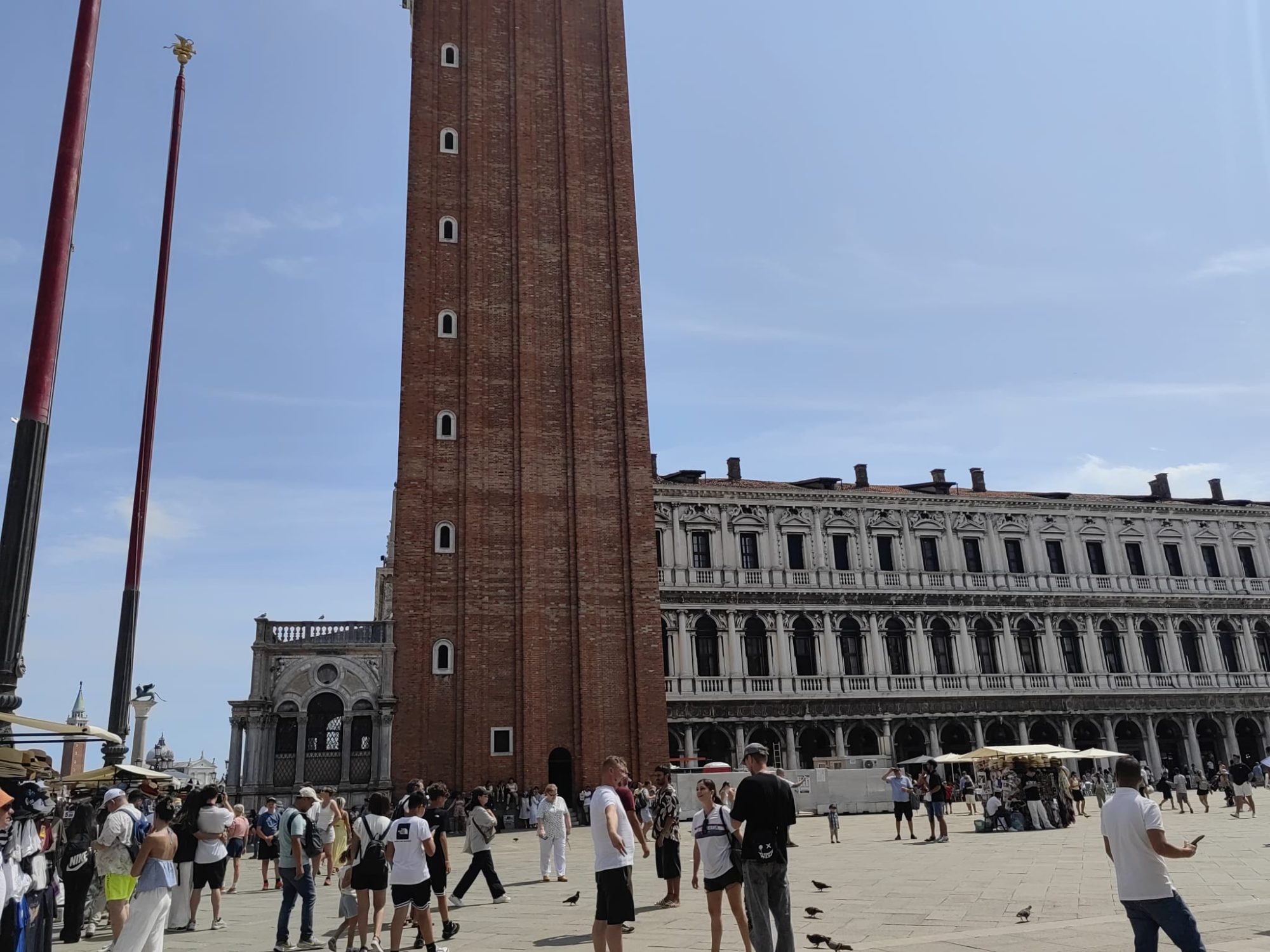
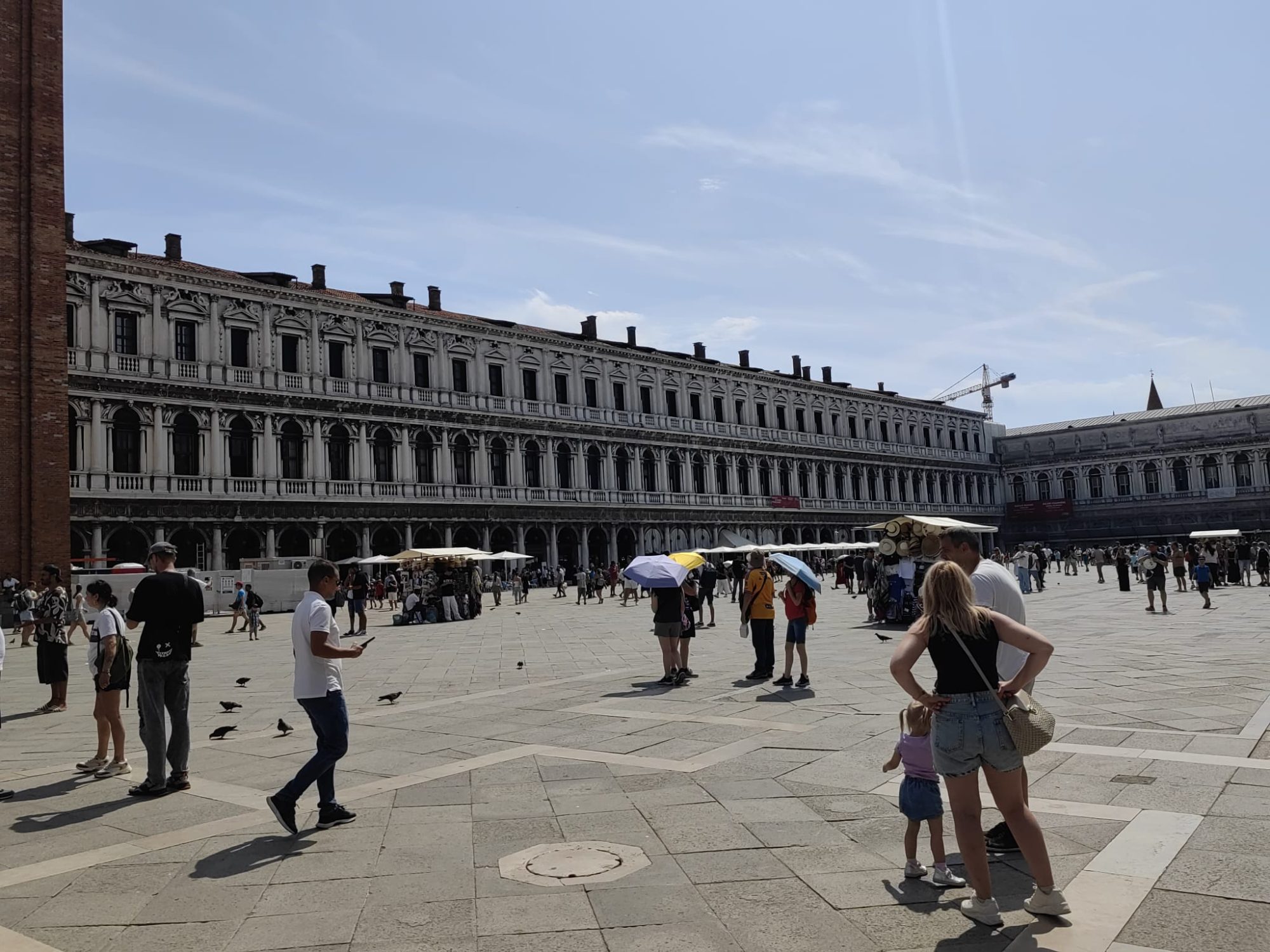
The obligatory proof-of-parking photo, just so the car doesn't vanish without a trace by the end of the day.View across the water to the island of Giudecca and the distinctive Molino Stucky, a late 19th-century neo-Gothic flour mill.Lots of water, even more clouds, and in between, a slender sliver of proof that Venice is actually afloat.A parade of waterfront facades: step out your front door here, and one foot is practically in the canal.The Zattere waterfront promenade with the Dominican church of Santa Maria del Rosario, built by Giorgio Massari in the 18th century.Here, the front garden reaches right down to the shipping channel. The masonry takes a few centuries of waves in stride.View across the water toward Dorsoduro: on the right horizon, the Baroque dome of the 17th-century votive church Santa Maria della Salute stands out.View from the water of the Baroque votive church Santa Maria della Salute and St. Mark's Campanile, the nearly 100-meter-tall landmark of the city.Venetian parking: pulling in only works with a shallow draft and the right tide.The abbey church of San Giorgio Maggiore on the island of the same name, designed by Andrea Palladio in the 16th century with a gleaming white facade of Istrian stone.A Guardia di Finanza boat sits peacefully at its moorings. Even the Venetian tax police get a break now and then.Best seat in the lagoon: the seagull claimed the only solid post for miles around.Wooden pilings driven into the seabed, known as briccole, mark the navigable channels through the often shallow lagoon.Wooden pilings known as briccole mark the navigable channels through the lagoon's often shallow waters.View along Rio dei Greci toward the distinctive campanile of San Giorgio dei Greci, which has had a noticeable lean ever since it was built in the 16th century.Strictly black by tradition: since a 16th-century decree by the Venetian Senate, gondolas have not been allowed to sport flashy, ostentatious colors.Traditional gondolas are built asymmetrically: the left side is slightly wider to keep the boat tracking straight despite single-oar rowing.Deceptively lifelike, but considerably sweeter than the catch of the day: seafood and fruit artfully sculpted from marzipan.The north facade of St. Mark's Basilica on Piazzetta dei Leoncini, richly adorned with Byzantine reliefs and precious marble.St. Mark's Campanile, nearly 99 meters high, collapsed unexpectedly in 1902 and was rebuilt exactly as it was on the same spot by 1912.The west facade of St. Mark's Basilica with its five arched portals and mosaics, watched over by a replica of the ancient bronze Quadriga.Facades along Fondamenta delle Zattere on the Giudecca Canal. Timber rafts (zattere) from the mountains used to moor along this sunny waterfront walkway.The San Basilio terminal on the Giudecca Canal: smaller cruise ships and high-speed ferries to Istria depart mainly from this quay.High-speed catamarans at the San Basilio terminal. Passenger ferries set off across the Adriatic as far as Croatia from this pier on the Canale della Giudecca.Truck traffic stops at the edge of the historic center: from here, flat-bottomed cargo boats take over transport through the canal network.Keep left, please: even under the bridges of the lagoon, traffic rules still apply.Flashing blue lights on the water: the Italian police maintain dedicated boat docks at their stations for motorized response teams.The striking green dome of the church of San Simeone Piccolo on the Grand Canal was built in the 18th century, modeled after the Pantheon in Rome.Ponte degli Scalzi across the Grand Canal was built from Istrian stone in 1934 and connects the districts of Santa Croce and Cannaregio.The striped wooden poles outside the palazzi traditionally served as private boat moorings. Their colors once displayed the coat of arms of each noble family.View across the Grand Canal toward the Riva de Biasio vaporetto stop in the Santa Croce district. Water buses form the backbone of public transit here.Two antennas reaching up into the summer sky—determined to catch every last signal.The San Marcuola vaporetto stop next to Palazzo Vendramin-Calergi on the Grand Canal, where composer Richard Wagner died in 1883.The showy Baroque facade of the church of San Stae on the Grand Canal was built in the early 18th century to designs by Domenico Rossi.The Baroque palazzo Ca’ Pesaro on the Grand Canal was designed by Baldassare Longhena. Today it houses Venice's Museum of Modern Art.Venice listing distinctly. Out on the water, the horizon easily goes off-kilter.The neo-Gothic hall of the Pescheria on the Grand Canal was built in 1907. Near the Rialto Bridge, the fish market has been held here for many centuries.View of the Rialto fish market on the Grand Canal: The neo-Gothic Pescheria hall on the right was built in 1907 to designs by Domenico Rupolo.Completed in 1591, Antonio da Ponte's Rialto Bridge spans the Grand Canal with a single stone arch stretching over 28 meters.Until the opening of the Accademia Bridge in 1854, the Rialto Bridge was the only permanent pedestrian crossing over the Grand Canal.A gondola passes the Riva del Vin on the Grand Canal. This quay was once where cargo boats loaded with wine casks moored.Perched on the roof sits an altana: this traditional wooden terrace once served Venetians, among other things, for drying laundry above the narrow alleys.Palazzo Grassi on the Grand Canal was built in the 18th century to plans by Giorgio Massari. Today it houses the art collection of the Pinault Collection.The Baroque palazzo Ca’ Rezzonico on the Grand Canal was begun by Baldassare Longhena and today houses the museum of 18th-century Venice.Looking down the Grand Canal toward the Basilica di Santa Maria della Salute, built by Baldassare Longhena following the plague epidemic of 1630.At the end of the Grand Canal, the dome of Santa Maria della Salute rises up. The Baroque votive church was built after the devastating plague epidemic of 1630.The facade of Palazzo Barbarigo on the Grand Canal stands out: in the late 19th century, it was decorated with expansive mosaics made of Murano glass.Campo San Vio in the Dorsoduro sestiere opens directly onto the Grand Canal. On the facade of Palazzo Barbarigo to the left, Murano glass mosaics shimmer.Built at the end of the 16th century, Palazzo Barbarigo received its glass mosaics in 1886 as dazzling advertising for a Murano glassworks.The neo-Gothic facade of Palazzo Genovese was built as late as 1892, yet it blends seamlessly in front of the monumental dome of Santa Maria della Salute.For the foundation of Santa Maria della Salute, over a million wooden piles were driven into the bed of the lagoon to support the immense dome.To the right, Punta della Dogana with the gilded statue of Fortuna atop its tower; in the background, the island of San Giorgio Maggiore.View across the Bacino di San Marco: on the right rises Punta della Dogana with its gilded statue of Fortuna, with San Giorgio Maggiore in the background.At the gondola landing, the flag with the winged Lion of Saint Mark flutters in the breeze—the city's centuries-old heraldic beast and symbol.From the water, Venice's center of power comes into view: the Gothic Doge's Palace and the nearly 99-meter-high St Mark's Campanile, with the historic Prigioni Nuove prison right next to it.Hotel Danieli on the Riva degli Schiavoni: the Gothic Palazzo Dandolo on the left dates from the 14th century and has welcomed guests since 1822.The Gothic Palazzo Dandolo on the Riva degli Schiavoni dates from the 14th century and has housed the legendary Hotel Danieli since 1822.The Danieli Excelsior wing on the Riva degli Schiavoni was built around 1948 right next to the Gothic main building of the historic luxury hotel.On Piazzetta San Marco: to the right, the delicate arcades of the Doge's Palace; in the background, the domes of St Mark's Basilica.On Piazzetta San Marco: the Gothic loggia and diamond pattern in pink and white marble on the Doge's Palace, with the domes of St Mark's Basilica in the background.Bustling activity on Piazzetta San Marco between the Doge's Palace and St Mark's Campanile, with the domes of St Mark's Basilica in the background.Following its collapse in 1902, the Campanile was rebuilt faithfully to the original. Behind it, the 15th-century Torre dell’Orologio displays the moon phases and the zodiac.To the left, the Biblioteca Marciana, built in the 16th century by Sansovino. St Mark's Campanile beside it collapsed in 1902 and was rebuilt faithfully to the original by 1912.The south facade of the Doge's Palace facing the lagoon: until the end of the Republic in 1797, the Gothic palace was Venice's political heart and seat of government.The west facade of St Mark's Basilica with its mosaics and marble columns. The bronze pedestals of the three flagpoles in front were cast in 1505.The three red flagpoles in St Mark's Square once represented the historic dominions of the Republic of Venice.Above the arcades of the Doge's Palace rises the monumental ceremonial balcony overlooking Piazzetta San Marco, crowned by a statue of Justice.Standing nearly 99 meters high, St Mark's Campanile towers over St Mark's Square and once served seafarers as a landmark visible from afar.On the loggia of St Mark's Basilica stand replicas of the ancient quadriga, brought here from Constantinople in 1204. Above them watches the winged Lion of Saint Mark.Even in front of the mosaics of St Mark's Basilica, there's still room for hats and graphic tees.At the base of St Mark's Campanile stands the Loggetta by Jacopo Sansovino. Following the 1902 collapse, it was pieced back together largely from the original rubble.The Procuratie Nuove line the south side of St Mark's Square; Vincenzo Scamozzi began their construction at the end of the 16th century.