krumbi.de
Deutsch

Gallery

2026

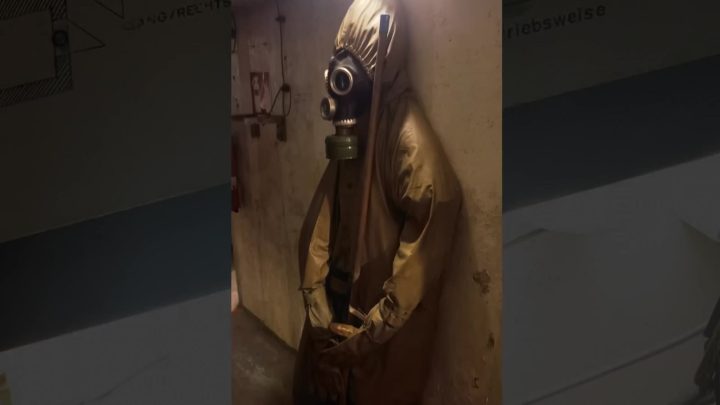
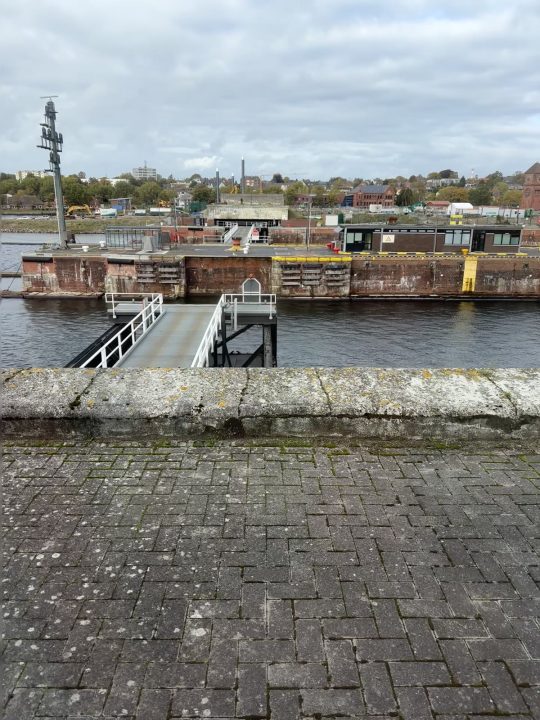
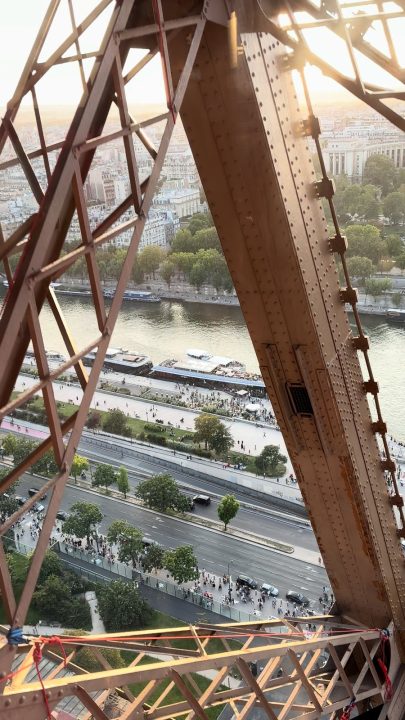
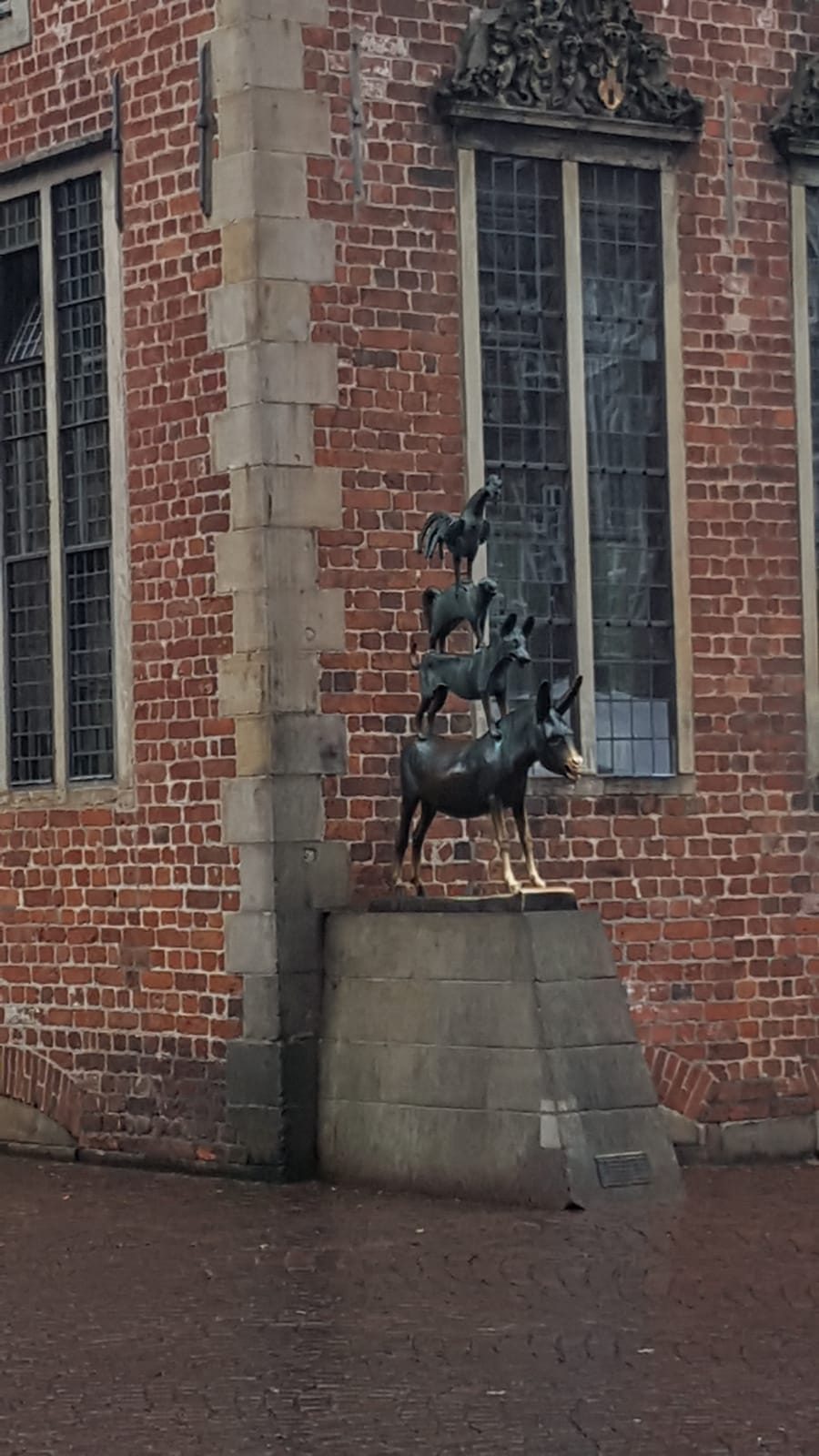
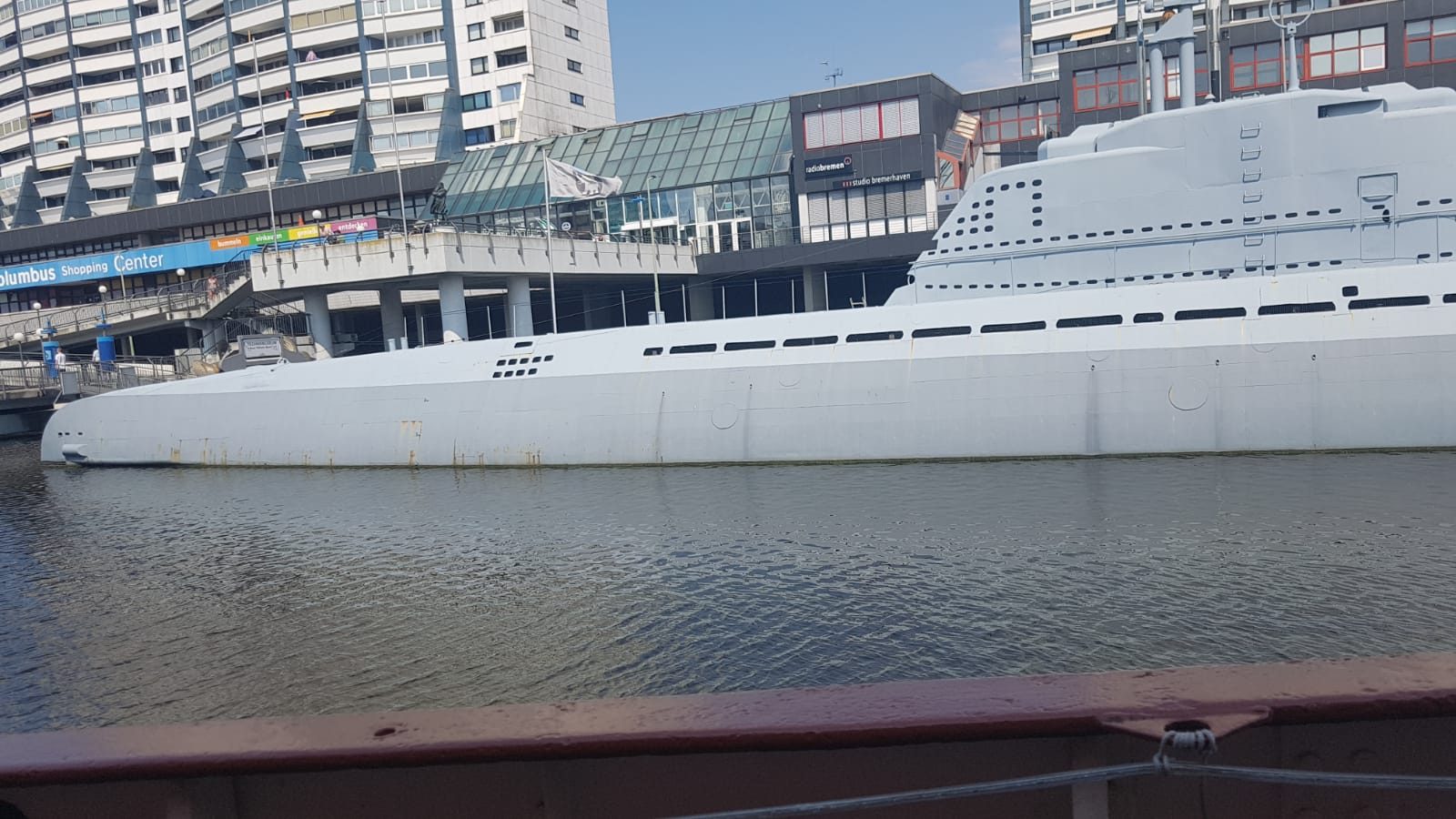
Welcomed with open arms – even if the rest of the setting is taking its time.Ehrenfriedersdorf Show Mine · November 22, 2026Videos in Mind · November 22, 2026With the road almost to itself: rolling along at a leisurely pace toward the hustle and bustle.A light blue Trabant 601 rolls across the grounds. Beside it, a three-wheeled Czechoslovak-made Velorex turns heads.Two Trabant 601s side by side: The small car from Zwickau, featuring a Duroplast body and an air-cooled two-stroke engine, was built from 1964 to 1990.A Mercedes-Benz C 124 series coupé in the foreground: The elegant pillarless model was produced starting in 1987.A first-generation Mazda RX-7 rolls past. The Japanese sports car with a rotary engine went into production in 1978.A class reunion on wheels: The Stuttgart star casually shares the asphalt with a Robur, Barkas, and Schwalbe.Two meters long and packed with everything a tractor needs—and between those heavy conventional trucks, maneuverability is trump anyway.Compact dimensions, a clear view ahead: Between the heavy trucks, the little red tractor effortlessly holds its ground.A red VW Beetle Cabriolet with a vintage single-wheel trailer: The rigid-mount design made up for the tight luggage space in the rear.The rear-engine Škoda 100, with its distinctive fuel filler flap on the front fender, was produced over a million times in Mladá Boleslav, Czechoslovakia, between 1969 and 1977.A VAZ-2101 (Lada 1200): The rugged licensed version of the Fiat 124 rolled off the assembly line in Togliatti, Soviet Union, starting in 1970.Lowered body and auxiliary headlights: Even modified, the Trabant 601—built in Zwickau until 1990—remains unmistakable.A green BD-series Mazda 323: With this compact model, produced from 1980 to 1985, the Japanese manufacturer switched the series to front-wheel drive for the first time.The May 1st Classic Car Meet in Hartmannsdorf · November 22, 2026Mannequin in a rubberized protective suit with gas mask in the command bunker: the equipment was intended for emergencies involving nuclear or chemical contamination.A view over the lock complex in Kiel-Holtenau, where the water levels between the Kiel Canal and the Kiel Fjord are equalized.The massive sliding gate of the Kiel-Holtenau lock complex controls passage between the Kiel Fjord and the Kiel Canal.A matter of centimeters in the Holtenau lock chamber: laden high with wind turbine blades, the freighter leaves the fjord towards the canal.Neatly stacked, making its way through the lock chamber. On board: enough blades for an entire wind farm.Mounted on top of each other in special frames, the enormous rotor blades on the cargo deck pass through the Holtenau lock.The plush co-driver snagged the box seat, keeping a calm, watchful eye on all the hustle and bustle.A Mazda 323 (BD series): launched in 1980, this model marked the Japanese manufacturer’s switch to front-wheel drive for its compact car lineup.The VAZ-2101, mostly sold abroad as the Lada 1200, was built in Tolyatti from 1970 as a heavy-duty, licensed version of the Fiat 124.A Škoda 100 featuring a rear engine and rear-wheel drive. The Czechoslovakian sedan replaced the 1000 MB in 1969.When the front trunk is full, the luggage simply tags along behind, balancing on a single wheel.Paris · November 18, 2026Through the Eiffel Tower's riveted iron lattice, the view looks down onto the Seine and the Palais de Chaillot opposite.Paris · November 18, 2026The Ikarus 211 midibus was developed in Hungary from 1976, borrowing its engine and axles from the East German IFA W50 truck.The vintage destination sign points to Karl-Marx-Stadt: between 1953 and 1990, nearby Chemnitz went by that very name.The bus stop may only be improvised, but the old articulated bus is filling up just like in its glory days.The May 1st Classic Car Meet in Hartmannsdorf · November 18, 2026An Ikarus 55, affectionately known as the “Cigar” thanks to its streamlined body. The Hungarian rear-engine coach was produced until 1972.The Hungarian Ikarus 55 coach was built between 1954 and 1973. Popularly called the “Rocket” or “Cigar,” it was famous for its streamlined shape and distinctive rear end.The bronze statue of the Town Musicians by Gerhard Marcks has stood on the west side of the Town Hall since 1951. Touching the donkey's front legs is said to bring good luck.The museum submarine “Wilhelm Bauer” (Type XXI) in the Old Harbour in front of the Columbus Center. It is the only surviving example of its class worldwide.The old wooden ties are still holding their ground, but have long yielded the right of way to the sunlight.The timetable expired long ago, but the roof patiently waits on for the next train.The tracks lead straight into a white void. A connecting train is nowhere in sight for now.No train has stopped here in ages. The grass claimed right of way long ago.The timber once carried heavy trains; today it mostly lets plenty of light through.Every rivet still holds its post with an iron grip, even if the timetable ran out long ago.Mighty stone arches and weathered steel: the viaduct stands ready, just in case a train happens by after all.High above the treetops, the old bridge quietly rusts away, while a playground has long since moved in down below.A small copse of birch trees holds the line in disciplined fashion right in the middle of the field.The railing now performs its duties only in patches. Leaning against it is probably not recommended.A fence and two lanterns mark the end of the path. Right behind them, the thicket took over long ago.Ever since the last train rolled through, the birch trees have been quietly closing in from both sides.Young birches and rowan trees spread across the track’s old gravel ballast.The concrete is crumbling away piece by piece. Meanwhile, nature watches the spectacle with utter serenity.The rails have tucked themselves under a blanket just to be safe. Behind them, the forest is slowly closing in.The birch had no intention of swerving around the railing. So it just grew right through it.The rusty steel resisted for years, but in the end, the birch simply proved more persistent.Not a rail in sight, but the ballast bed is bravely holding its ground.The old crew car has found its permanent spot. Only the next departure is taking a while.Surrounded by lush green, a lonely railing holds its post, as if there were still anything up there left to guard.A short section of wire mesh tries to blend into the dense foliage without causing a stir.