krumbi.de
Deutsch

Gallery

2026

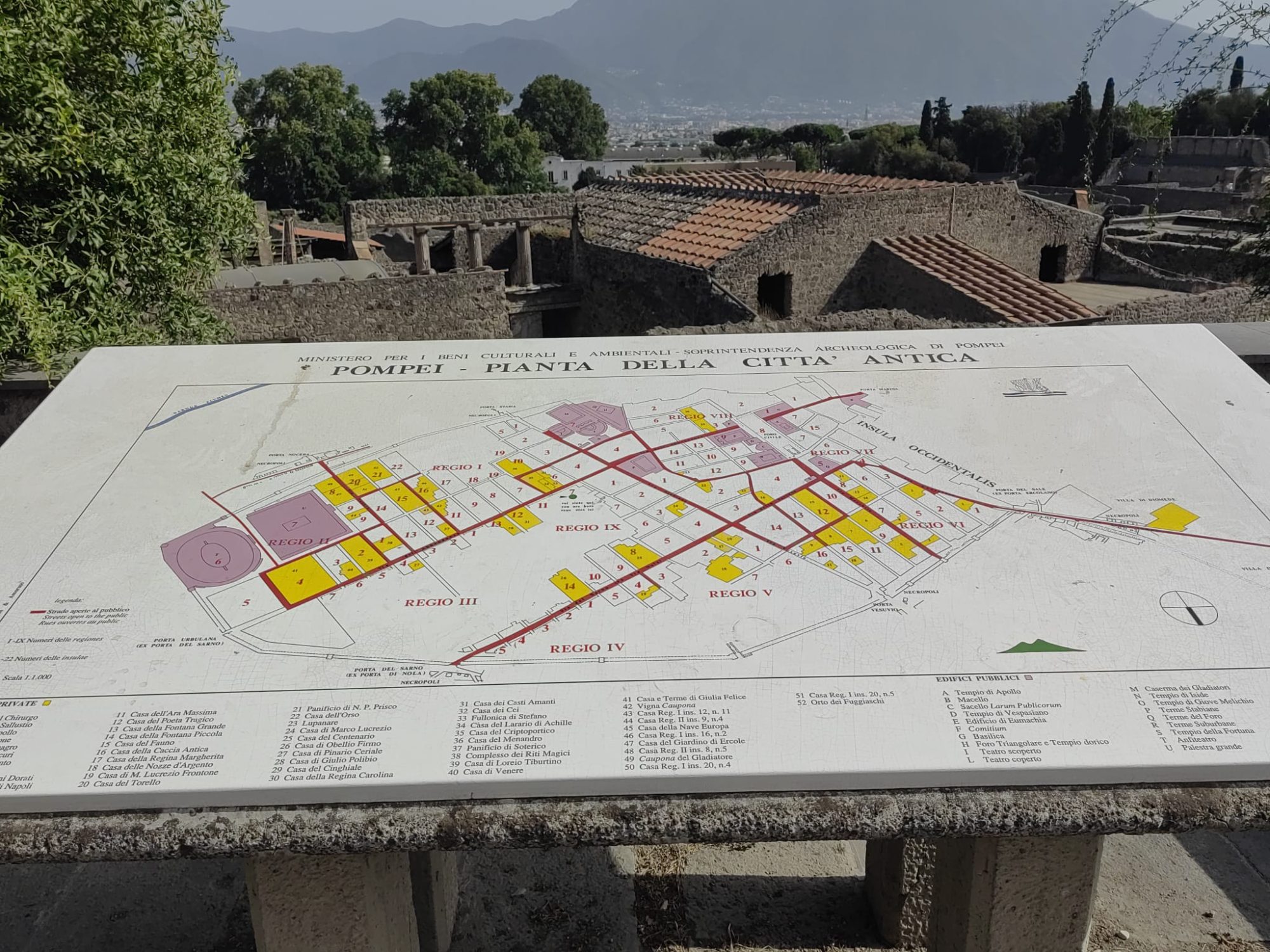
An all-terrain Tatra 813 with a backbone tube chassis and an air-cooled V12 engine, parked alongside an IFA W50 fire truck.The May 1st Classic Car Meet in Hartmannsdorf · November 18, 2026A four-wheel-drive IFA W50 LA fitted with balloon tires: this classic East German workhorse was produced from 1965 to 1990 at VEB Automobilwerke Ludwigsfelde.Why chug along country roads on your own when tractor and camper can just hitch a ride piggyback on a flatbed trailer?A VW Corrado in rich, deep red: the sports coupé rolled off the Karmann lines in Osnabrück between 1988 and 1995.The May 1st Classic Car Meet in Hartmannsdorf · November 18, 2026The May 1st Classic Car Meet in Hartmannsdorf · November 18, 2026The red roadster is taking things in stride, while the blue car in the background prefers to conserve its energy, catching a piggyback lift.Three-pointed star meets tractor charm: out on a cruise, the stately sedan and the modest farm tractor share the road as if it were the most natural thing in the world.The May 1st Classic Car Meet in Hartmannsdorf · November 18, 2026The classic Hungarian coach, the Ikarus 55: thanks to its striking streamlined silhouette and pronounced rear-engine compartment, it was widely known as the “Cigar.”An IFA H6B from the VEB Kraftfahrzeugwerk Werdau rolls across the event grounds right beside an Audi B3 sedan.Vintage enamel signs and boxes full of tinkerer's bliss: somewhere in this clutter, that long-sought spare part is bound to turn up.An SED party emblem, Schultheiss beer ads, and a ship’s wheel: at the swap meet, odd slices of history end up rubbing shoulders.With a bit of imagination and the right bolts, this spread of parts could almost turn back into a road-ready moped.A parade of fenders lined up on the asphalt: all that's missing now is a frame, an engine, and just a little bit of patience.Neatly sorted into boxes: somewhere out there, a classic car is surely waiting for this exact piece.Speedometers, taillights, and the right reading material: packed inside these crates, the next Trabant 601 is waiting in pieces.Alternator, starter motor, and a massive exhaust muffler: laid out on the tarp, an advanced jigsaw puzzle waits for the right car.Cooling fan, cylinder head, and rubber boots: an advanced 3D puzzle, completely missing the picture on the box.Bowden cables neatly coiled, and a bicycle taking it easy on its kickstand, basking in the sun.The red motorcycle offers a glimpse of the finished prize—just in case rummaging through all these crates starts to wear down your spirit.A Barkas B 1000 flatbed: this East German classic was built in Karl-Marx-Stadt from 1961 to 1990, mostly driven by a three-cylinder, two-stroke engine.A colorful bunch along the roadside: A 2CV, a Wartburg Tourist, and a neon-green Citroën Méhari watch the scooter chug past.An all-terrain HMMWV ("Humvee") with canvas doors and camouflage paint, the versatile standard vehicle of the US Armed Forces since 1985.A Wartburg 353 with a chrome grille. Produced at the Automobilwerk Eisenach, this saloon rolled off the line starting in 1966 with a three-cylinder two-stroke engine.The French championship trophy 'Hexagoal' at the Parc des Princes. It was awarded to the Ligue 1 champions between 2007 and 2024.A portrait made entirely of dots keeps an eye on the shiny hallway.They definitely played it architecturally safe here: after all, you can never have too many columns.On the test bench, the power transmission can be traced in detail from the crankshaft all the way to the brake system.Working water brake dynamometer in test operation: back in the day, this was how torque and output were measured on freshly assembled engines.A vintage engine in action on the brake test bench, controlled via the original switchboard in the background.Two historic Lanz Bulldogs with their striking exhaust stacks and the typical single-cylinder hot-bulb engine.Framed by a semi-truck and a tractor: when surrounded by all that engine displacement, only electric guitars and serious amplification can help.A long stretch across the asphalt before the rummaging at the red tables can begin.Leaning slightly past the edge of the road—it takes a lot to rattle these heavy beasts.An Opel Kadett D by the roadside: As the first front-wheel-drive model in the series, it rolled off the assembly line starting in 1979.Just in case you miss yourself, at least the logistics are all sorted out.The water pistol lies at the ready in the grass. Until the next showdown, an official ceasefire holds in the shade.A display table shows the layout of the ancient city with its nine regions. In the background, the ruins stand against a mountain backdrop.The striking clock tower rises above the tree canopy of the former special children's home in Bräunsdorf. The complex dates back to 1924.Former communal washroom with a row of sinks at the Bräunsdorf special children's home. On the ceiling, paint peels above old pipes.Old shower heads with pull chains beneath a peeling ceiling in the home's former communal shower room in Bräunsdorf.A view through the remnants of wooden beams into the abandoned interior of the former Bräunsdorf special children's home. The complex has stood empty since the fall of the Wall.A path beneath dense foliage on the grounds in Bräunsdorf. An educational institution was established here in 1924, becoming a special children's home in 1950.A hole in the wall offers a view into the neighboring room. The buildings of the former home have been decaying since its closure after the fall of the Wall.Shattered ceramics and exposed pipes in the sanitary facilities of the former Bräunsdorf special children's home.Staircase at one of the home's buildings in Bräunsdorf. Founded in 1924 as a reform home, the facility has stood empty and decaying since the fall of the Wall.Entrance stairs and barred transom window at the decaying building complex in Bräunsdorf. The site was founded in 1924 as an educational home.Looking through a mullioned window out into the overgrown grounds of the educational home founded in Bräunsdorf in 1924.A row of sinks in the abandoned washroom of the "Martin Andersen Nexö" special children's home in Bräunsdorf, which operated until the fall of the Wall.Peeling paint on an overhead pipe inside the decaying complex in Bräunsdorf, vacant since the fall of the Wall.A lone chair in the hallway of the former children's home in Bräunsdorf. Abandoned after the fall of the Wall, the complex founded in 1924 has been falling into ruin ever since.Looking through two open doorways into the daylight. Named after Martin Andersen Nexö in 1950, the home's buildings have stood empty since the fall of the Wall.This doorbell hasn't made a sound in a very long time.This lamp called it a day decades ago, but it hasn't completely lost its grip on the ceiling just yet.Exposed metal framing of a drywall opens up the view through the gutted rooms of the former special children's home in Bräunsdorf.Exposed metal studs from a demolished partition wall in the former Bräunsdorf special children's home, left to decay since the fall of the Wall.Looking up into the roof truss of a building at the former Bräunsdorf special children's home. Decaying insulation and bare roof tiles mark the abandoned attic floor.A look at the timber roof framing inside one of the buildings at the former Bräunsdorf special children's home, abandoned since the fall of the Wall.