krumbi.de
Deutsch

Gallery · November 2026

Rome

Automatically translated (Gemini). Original in German

Coat of arms of Rom

Rome is the capital of Italy and is situated in the Lazio region along the banks of the Tiber. With roughly three million inhabitants within its city limits, it is the country's largest city and, owing to its history spanning thousands of years, is also known as the "Eternal City". Enclaved within the city borders lies the independent state of Vatican City, the heart of the Roman Catholic Church. The historic centre, St. Peter's Basilica, and the Vatican have been UNESCO World Heritage Sites since 1980.

Wikipedia link: https://en.wikipedia.org/wiki/Rome

Coat of arms of Rom: Ddurbmonnejg, CC BY-SA 4.0 · Wikimedia Commons

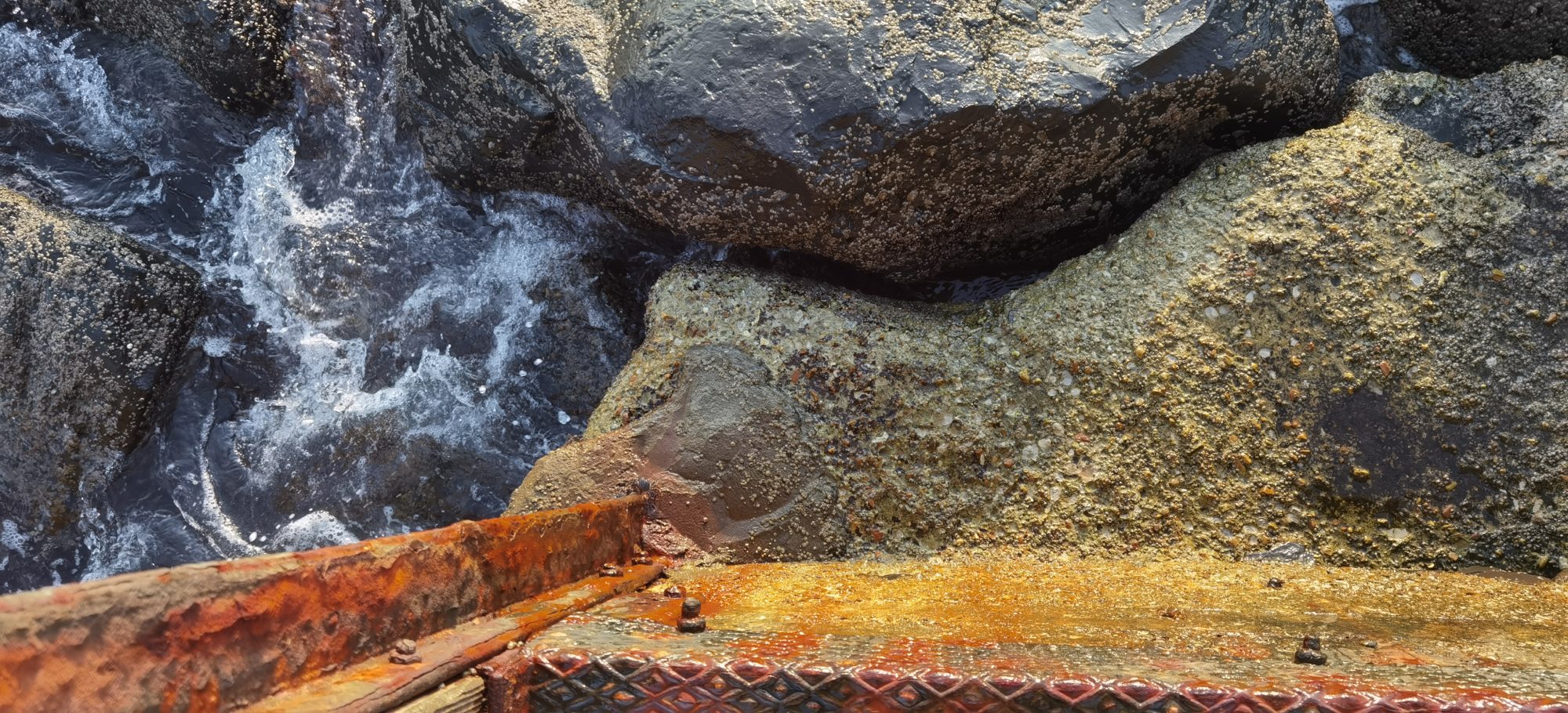
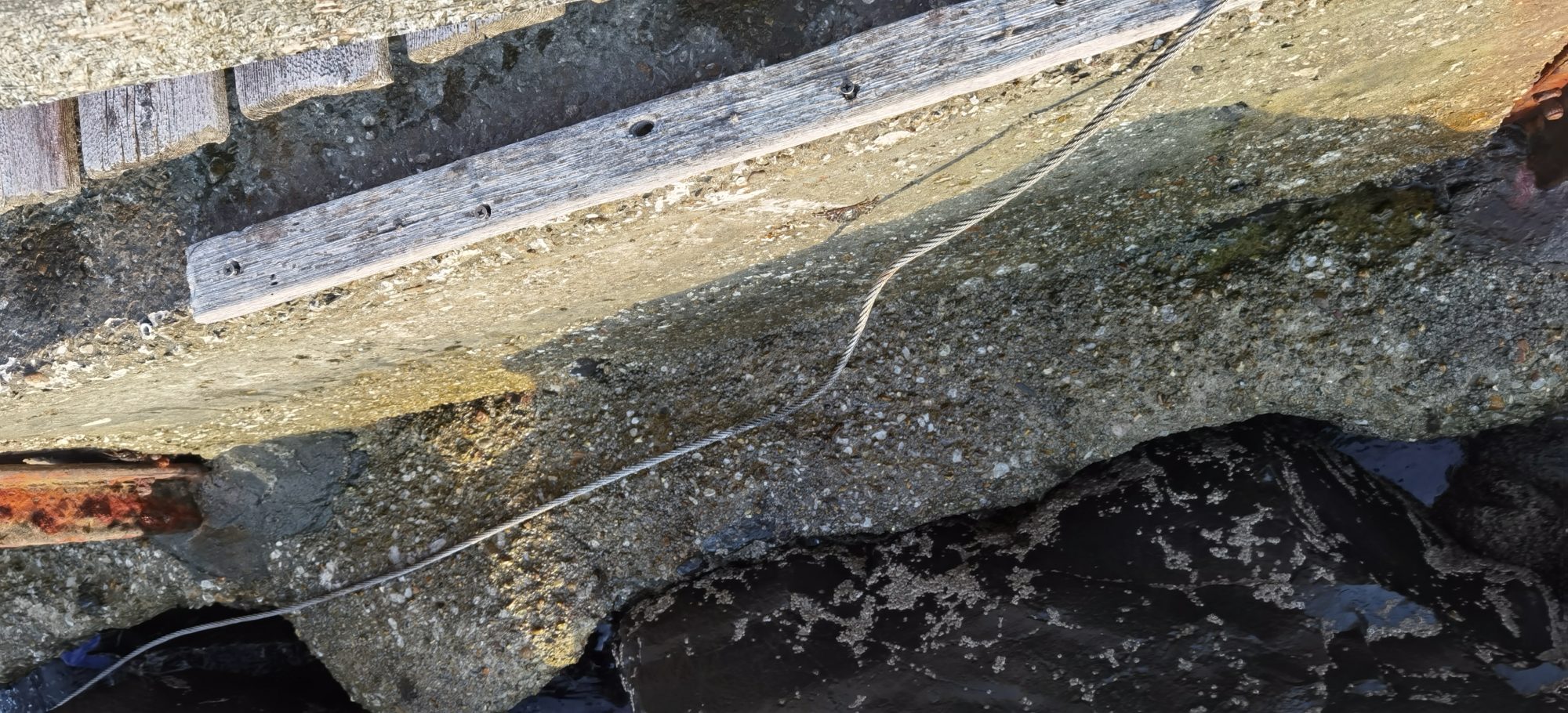
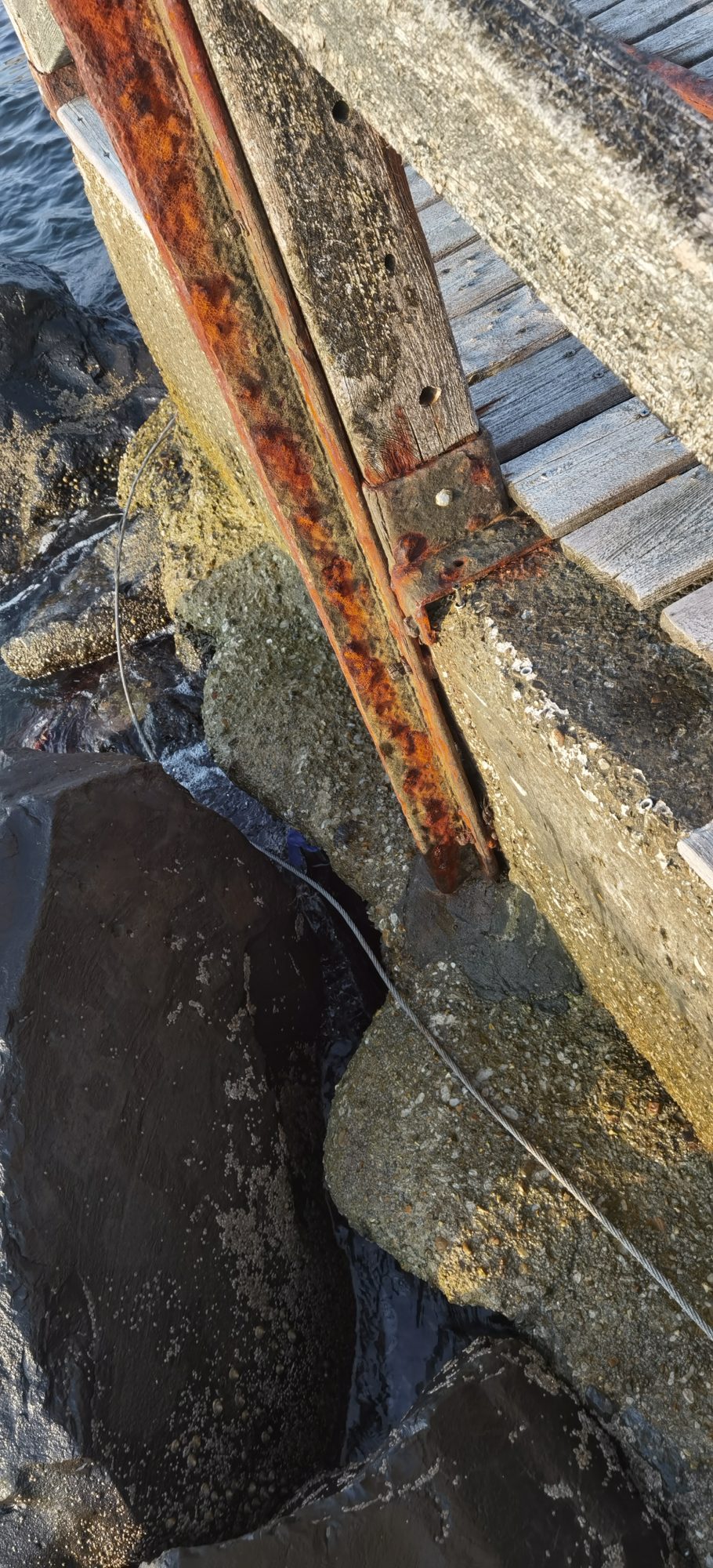
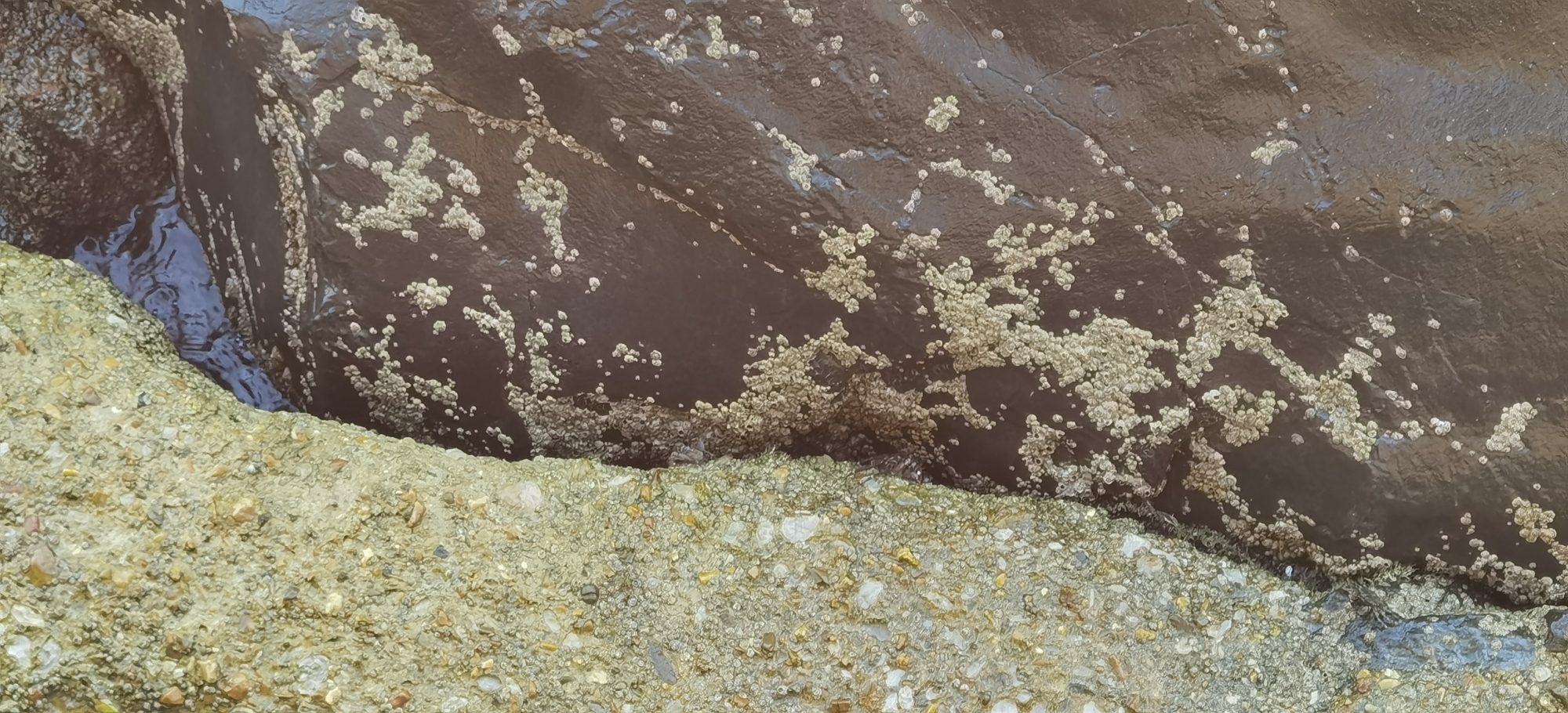
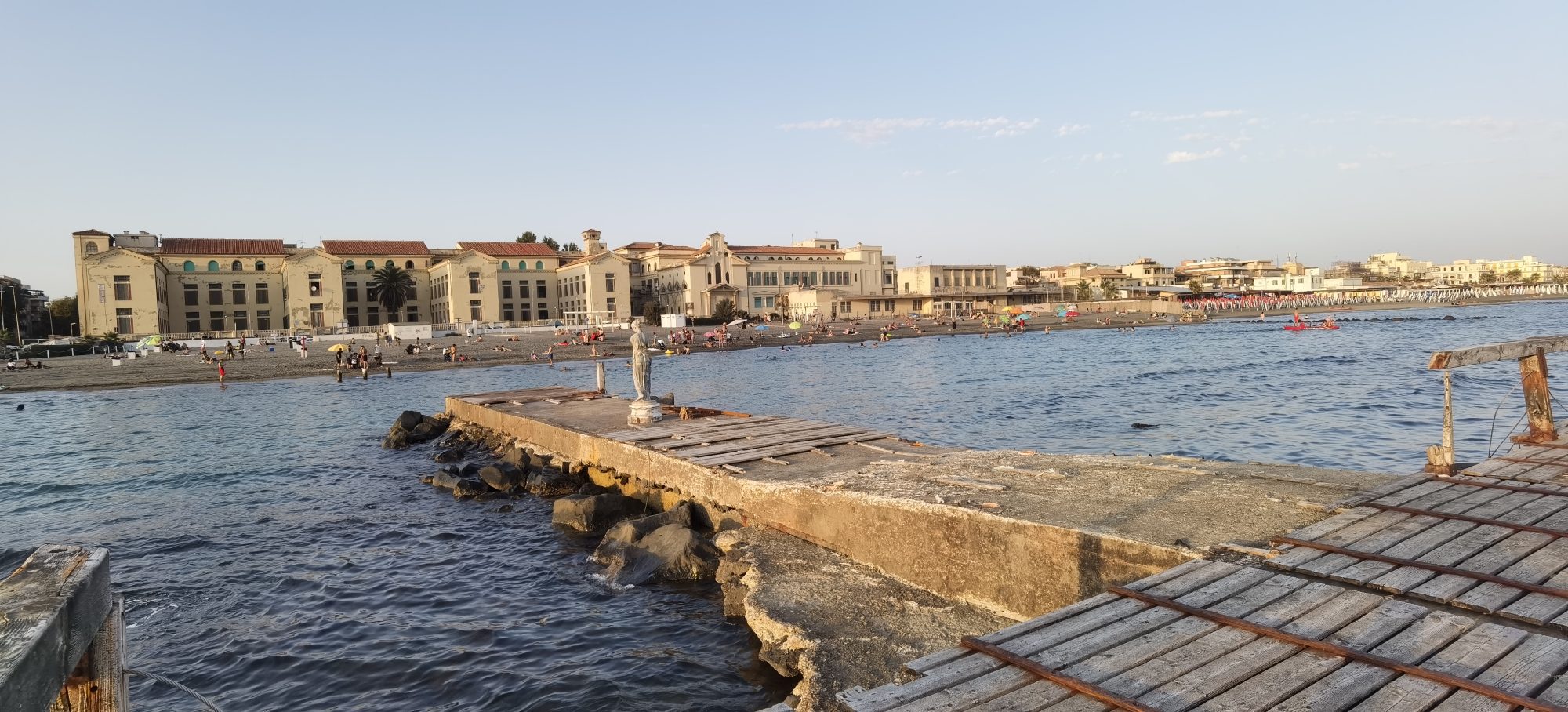
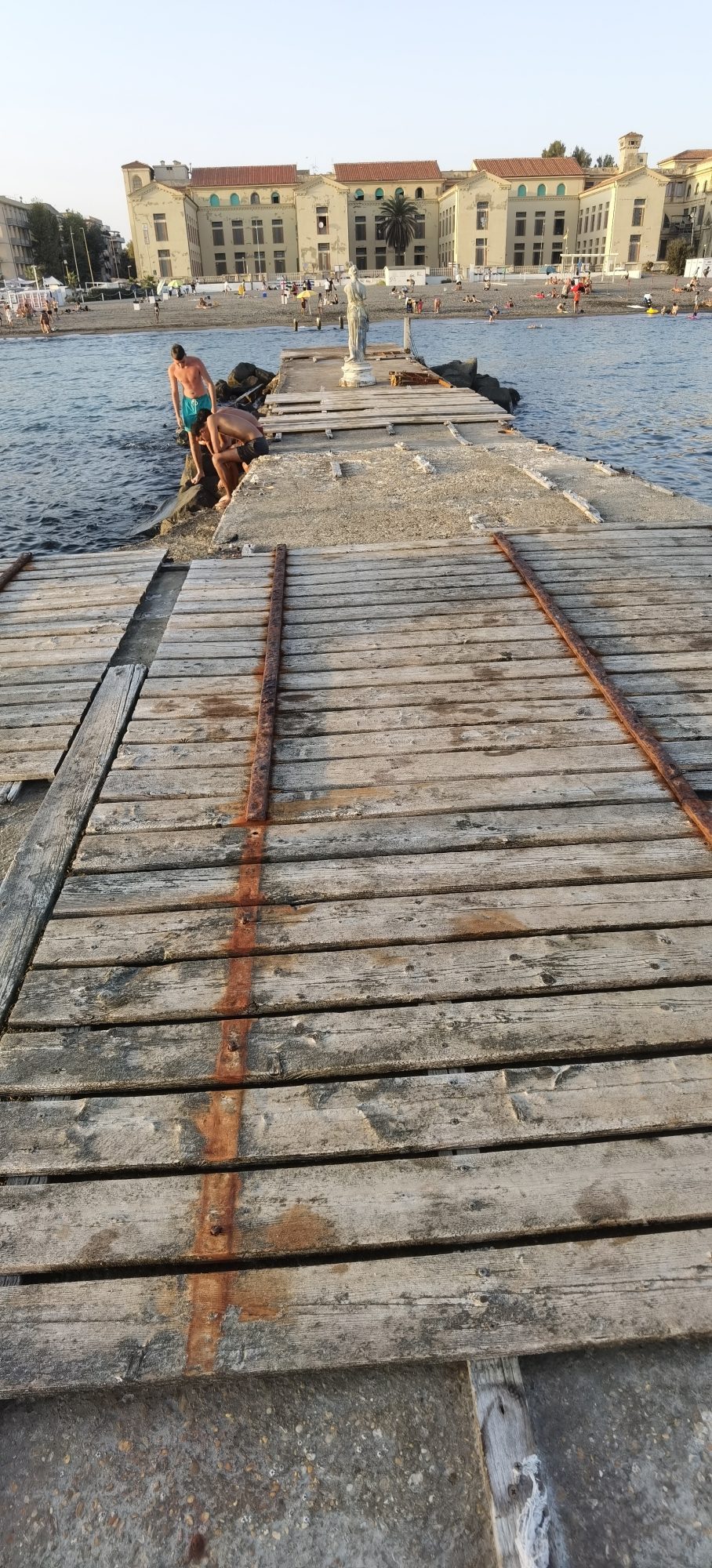
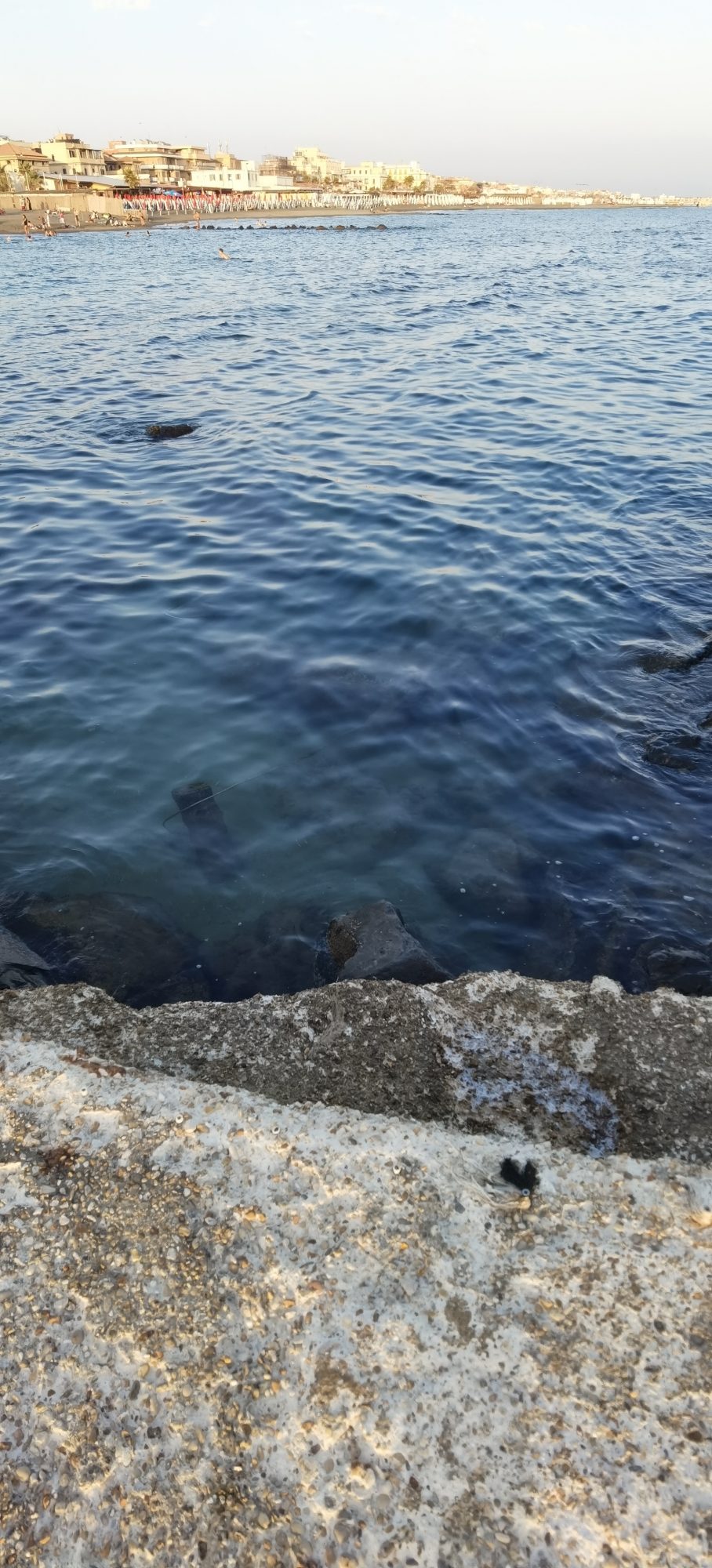
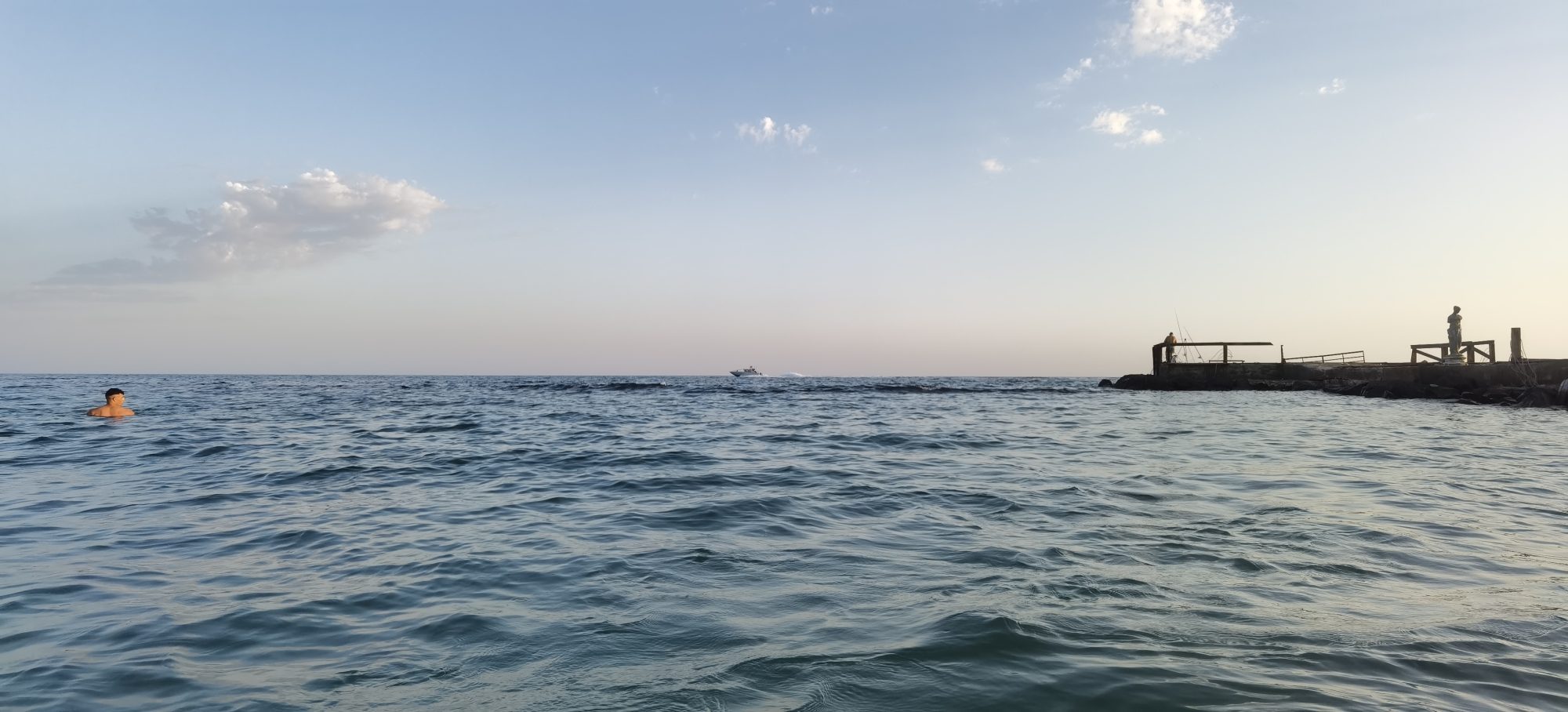
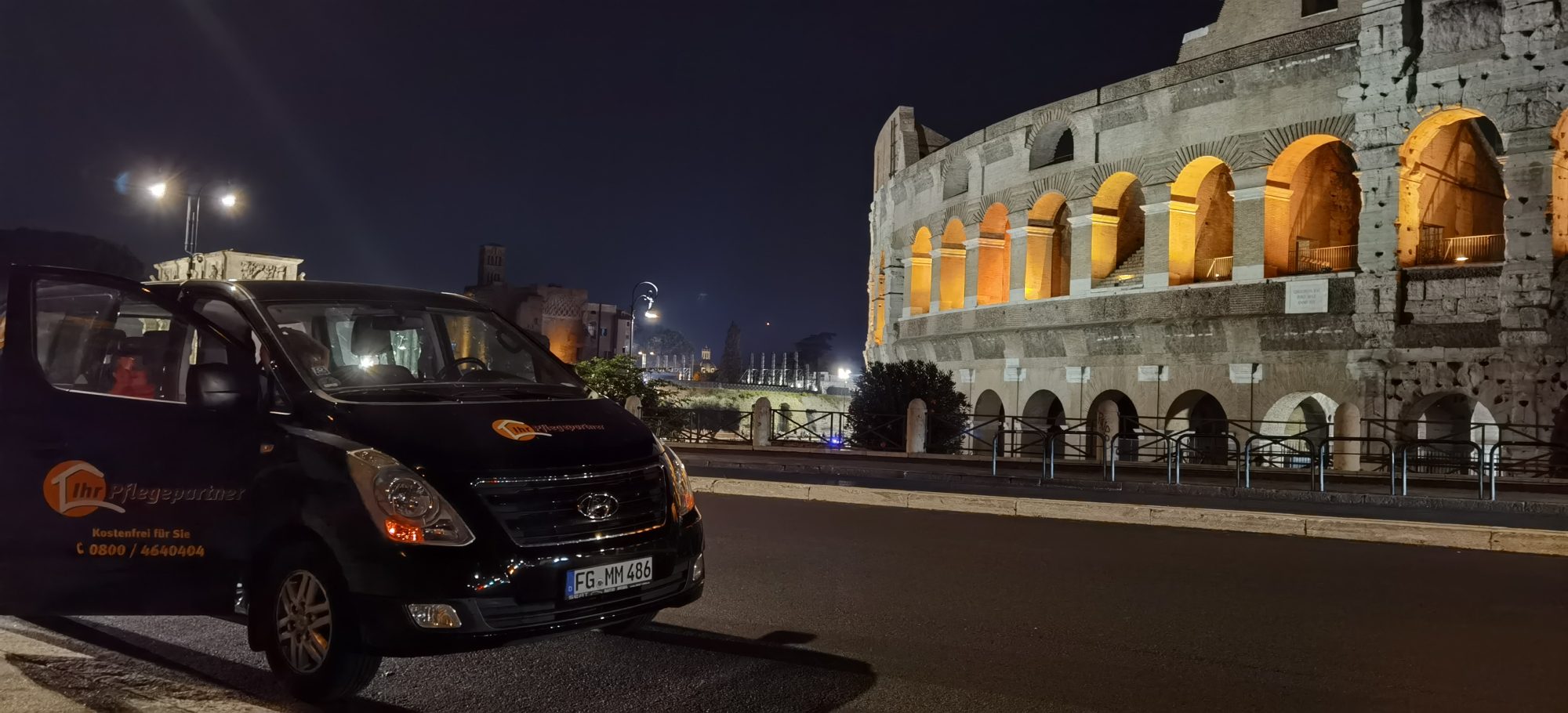
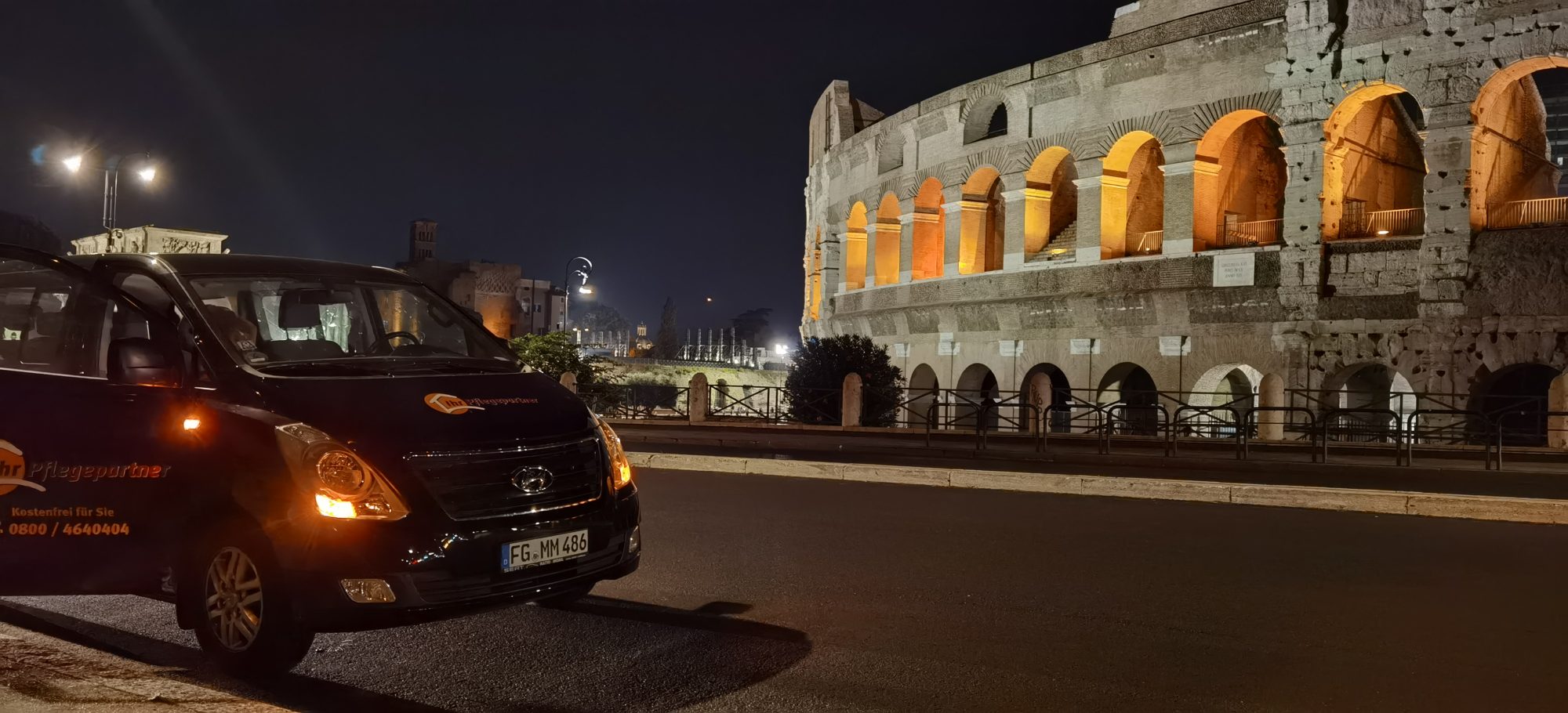
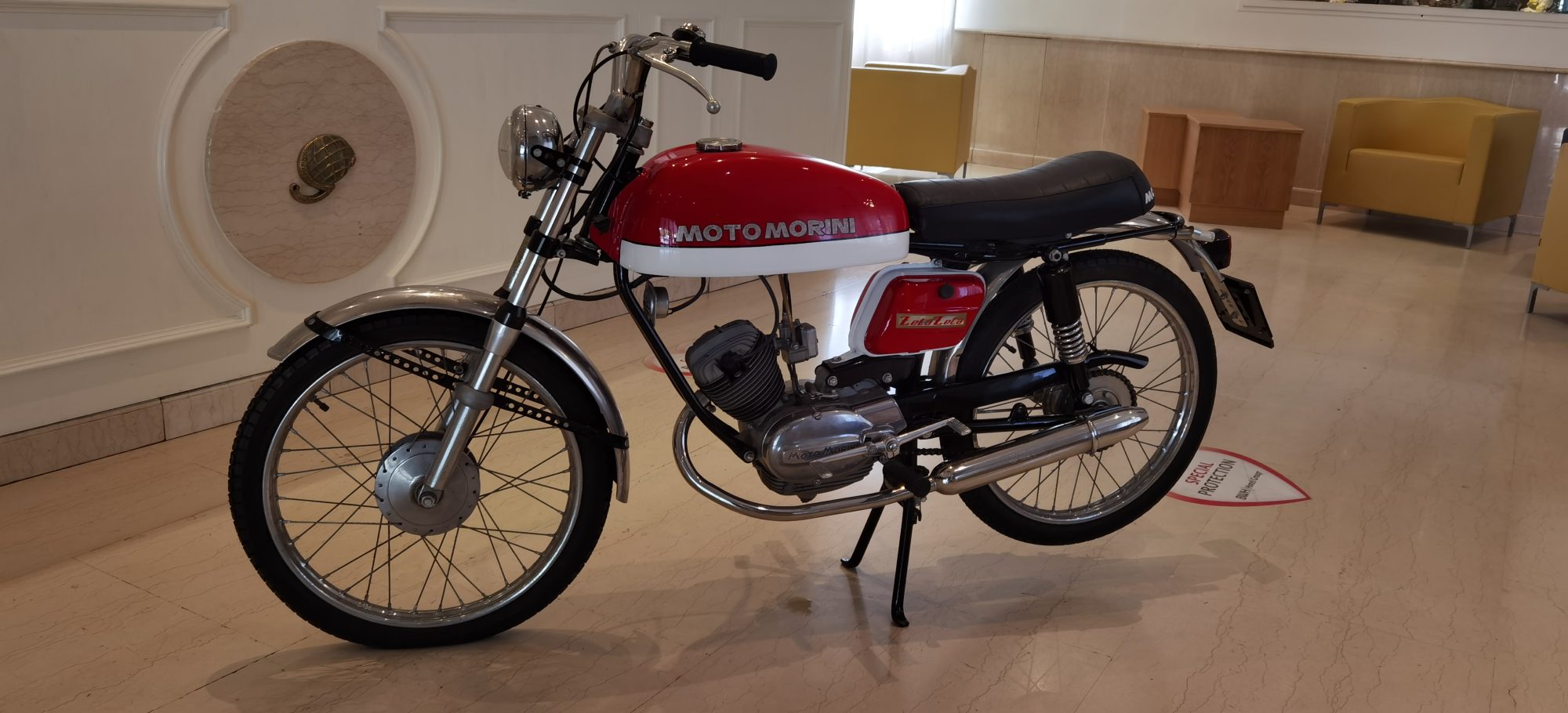
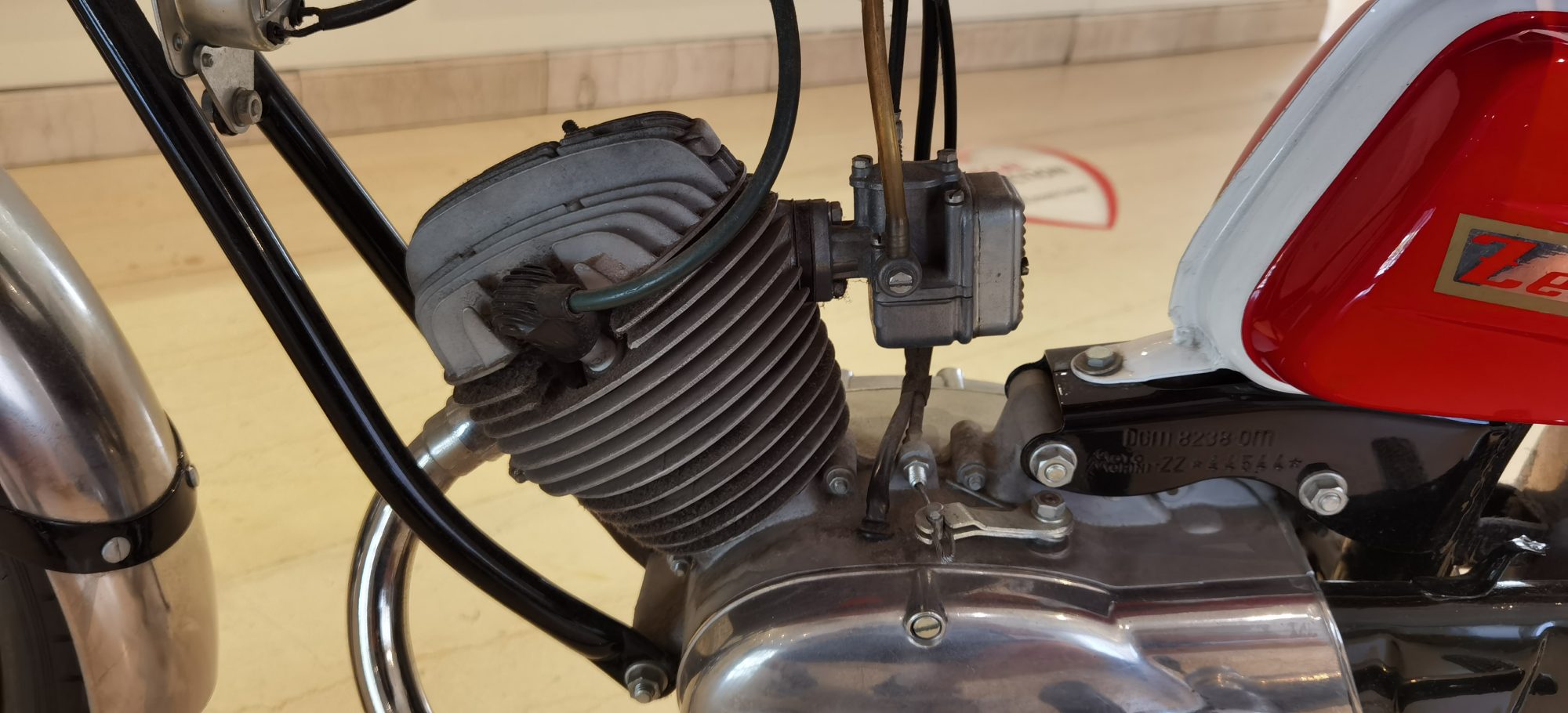
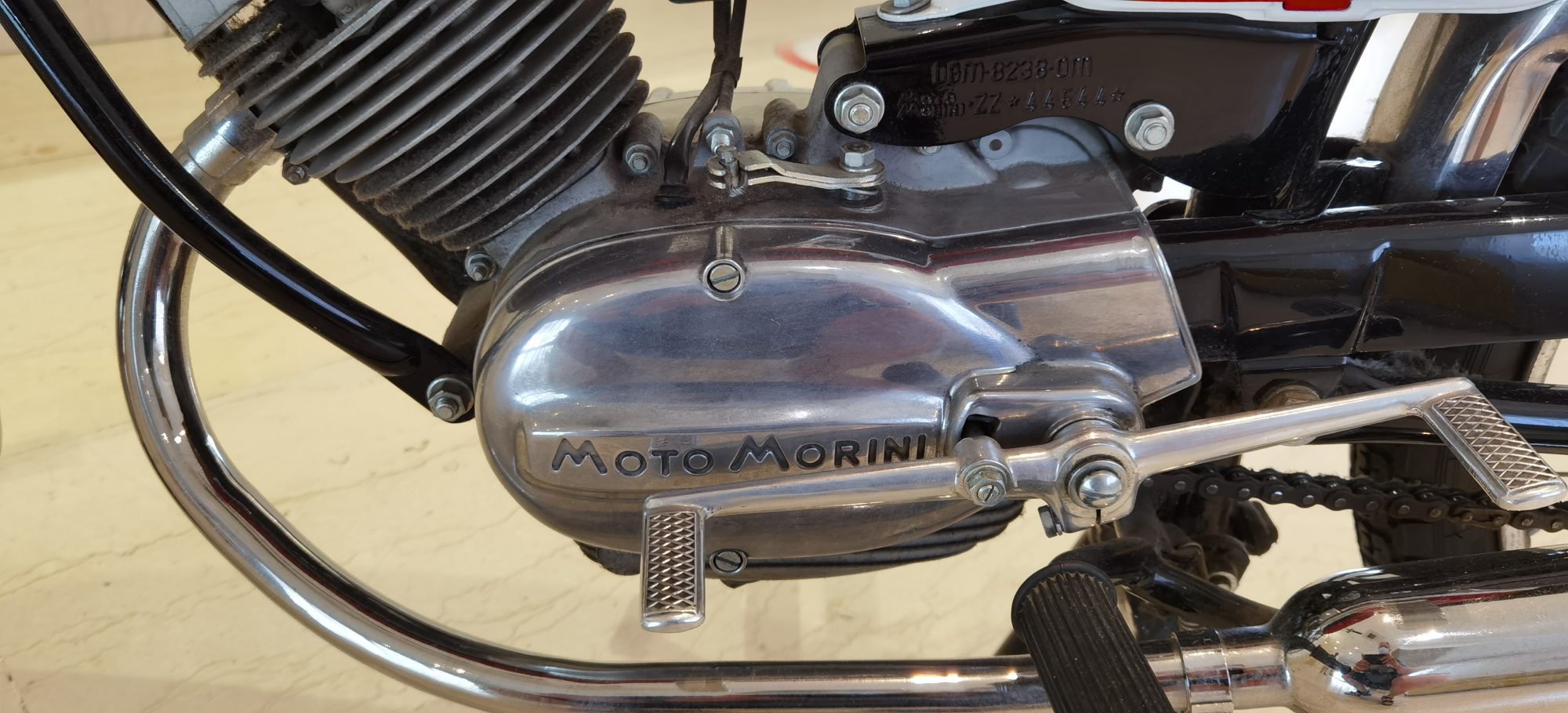
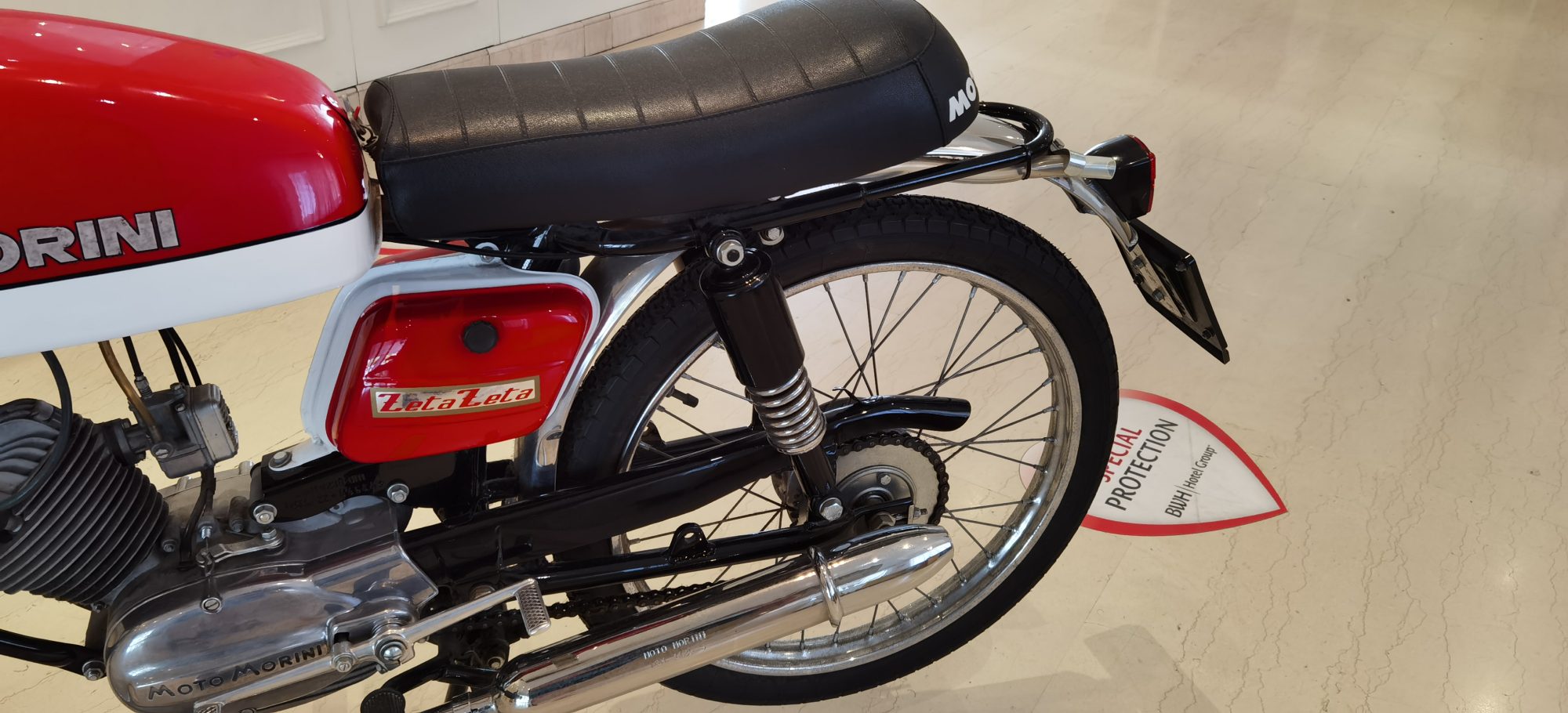
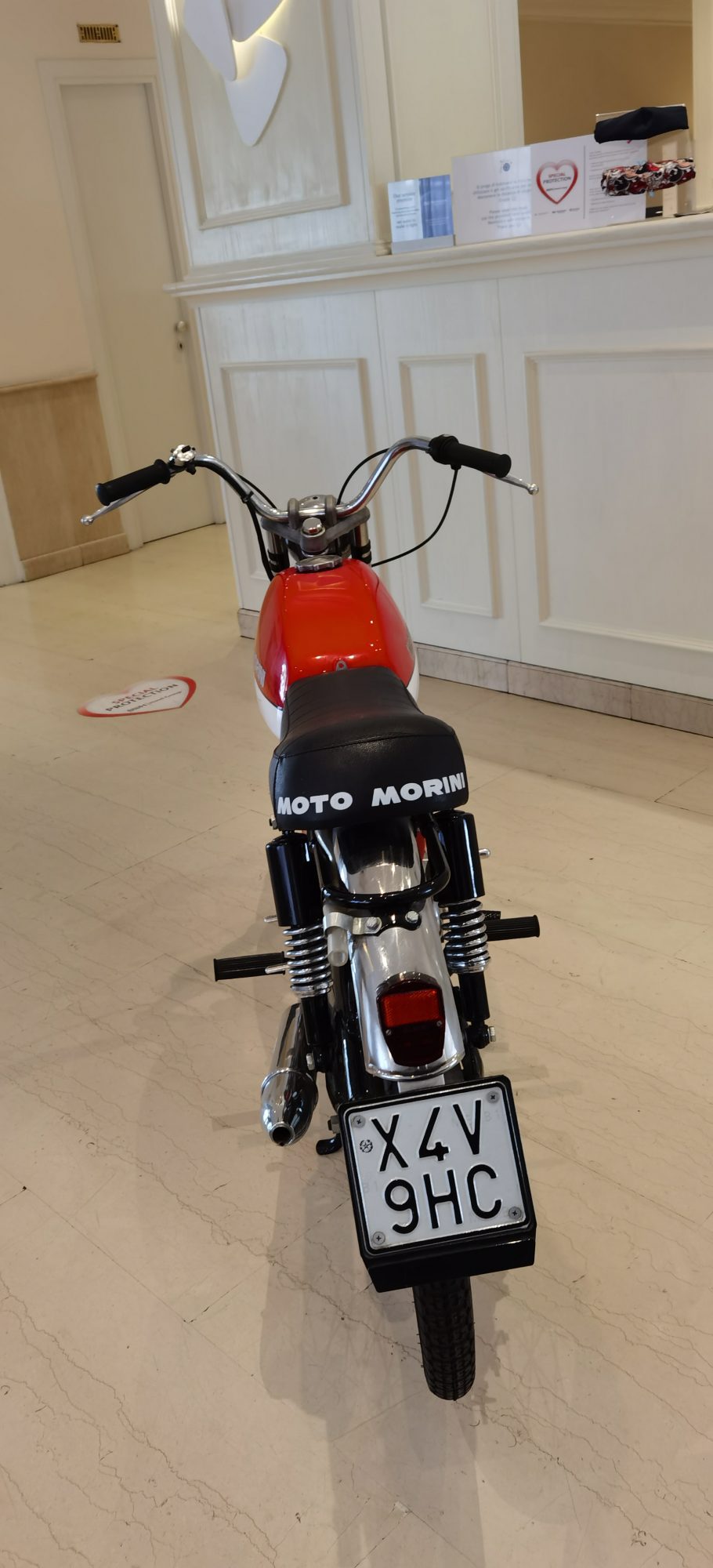
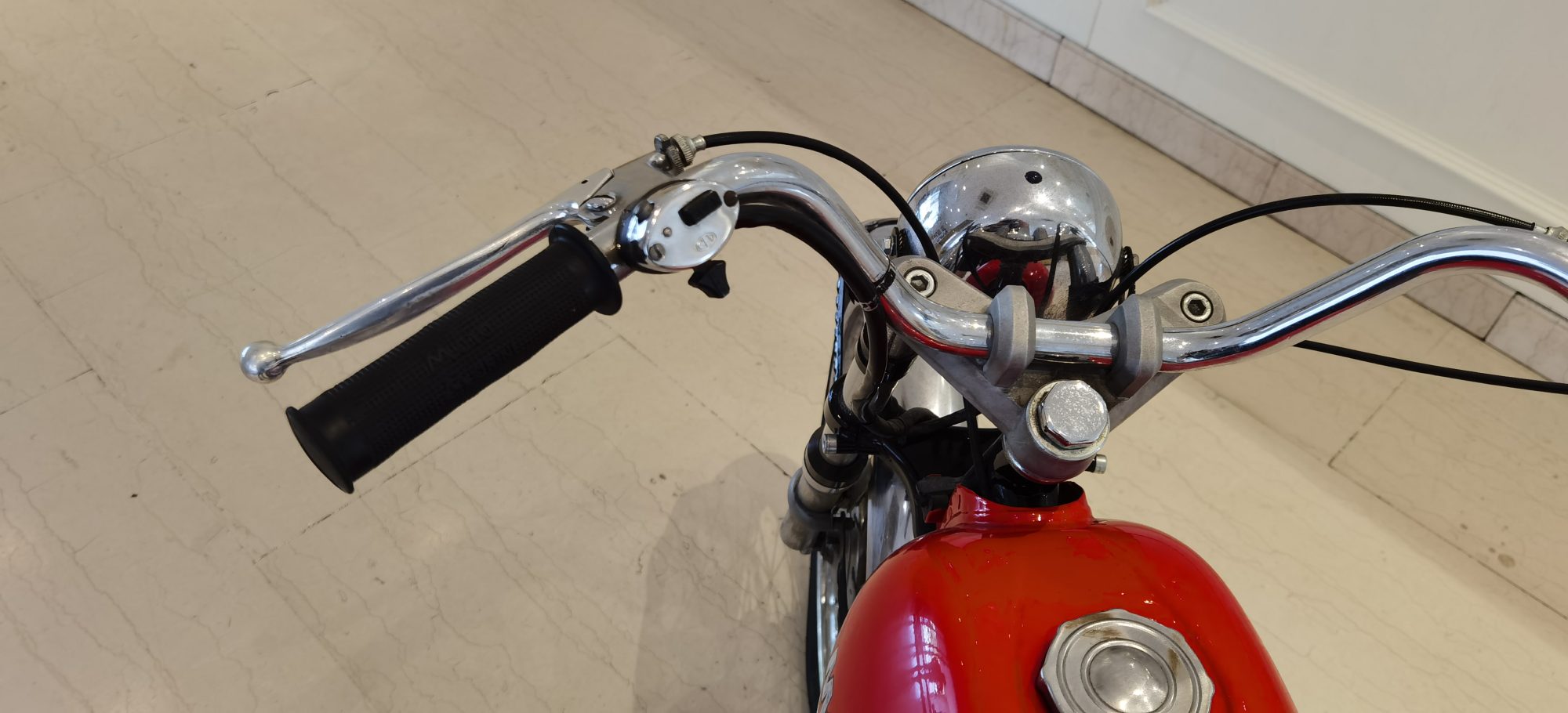
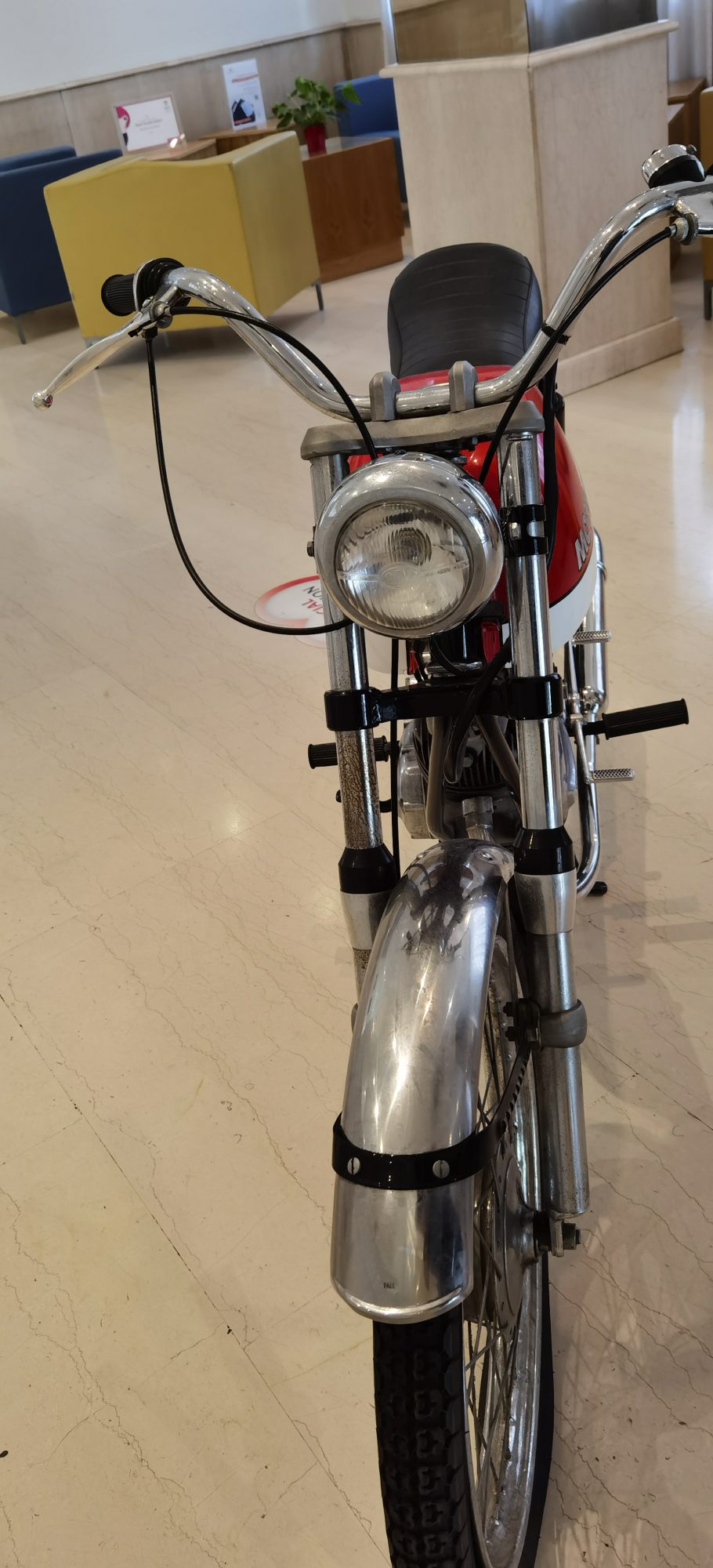
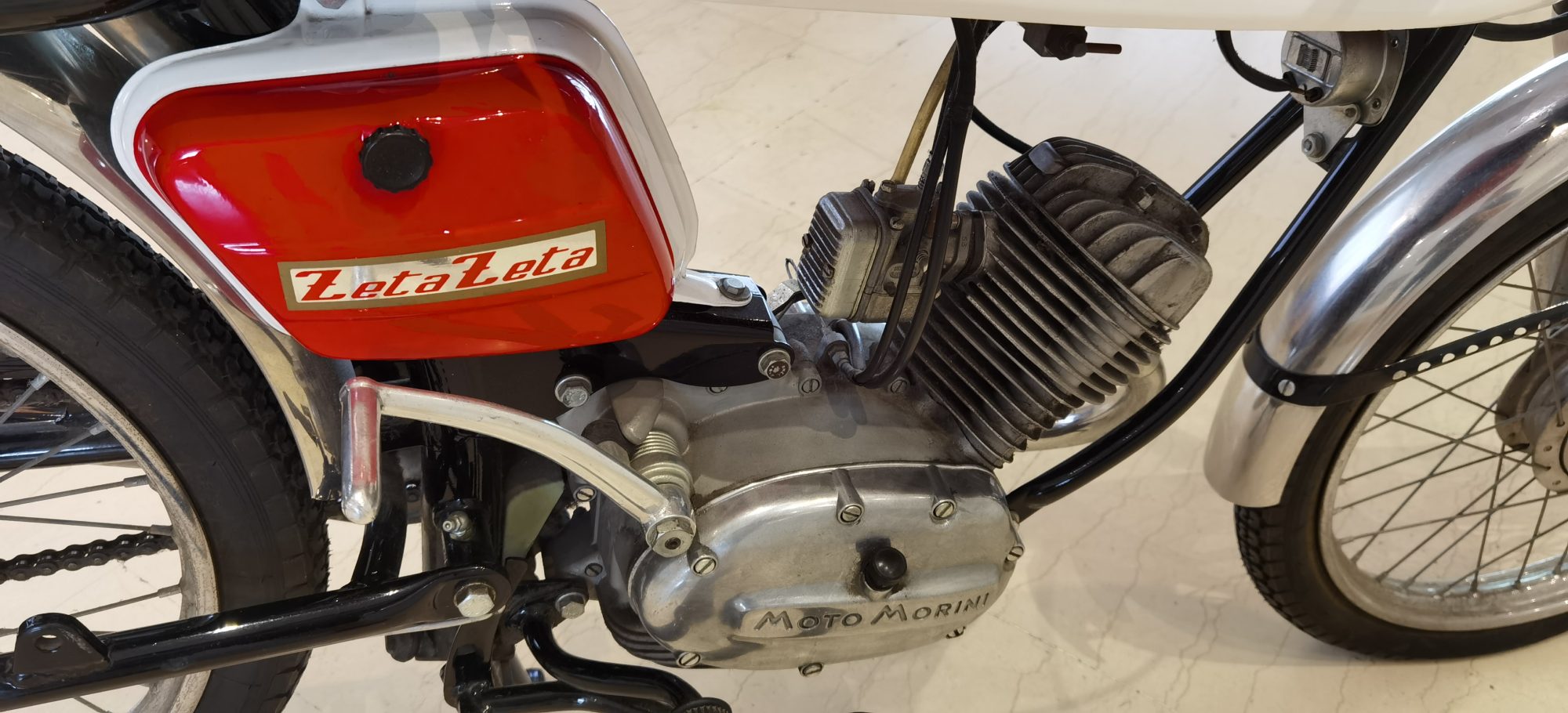
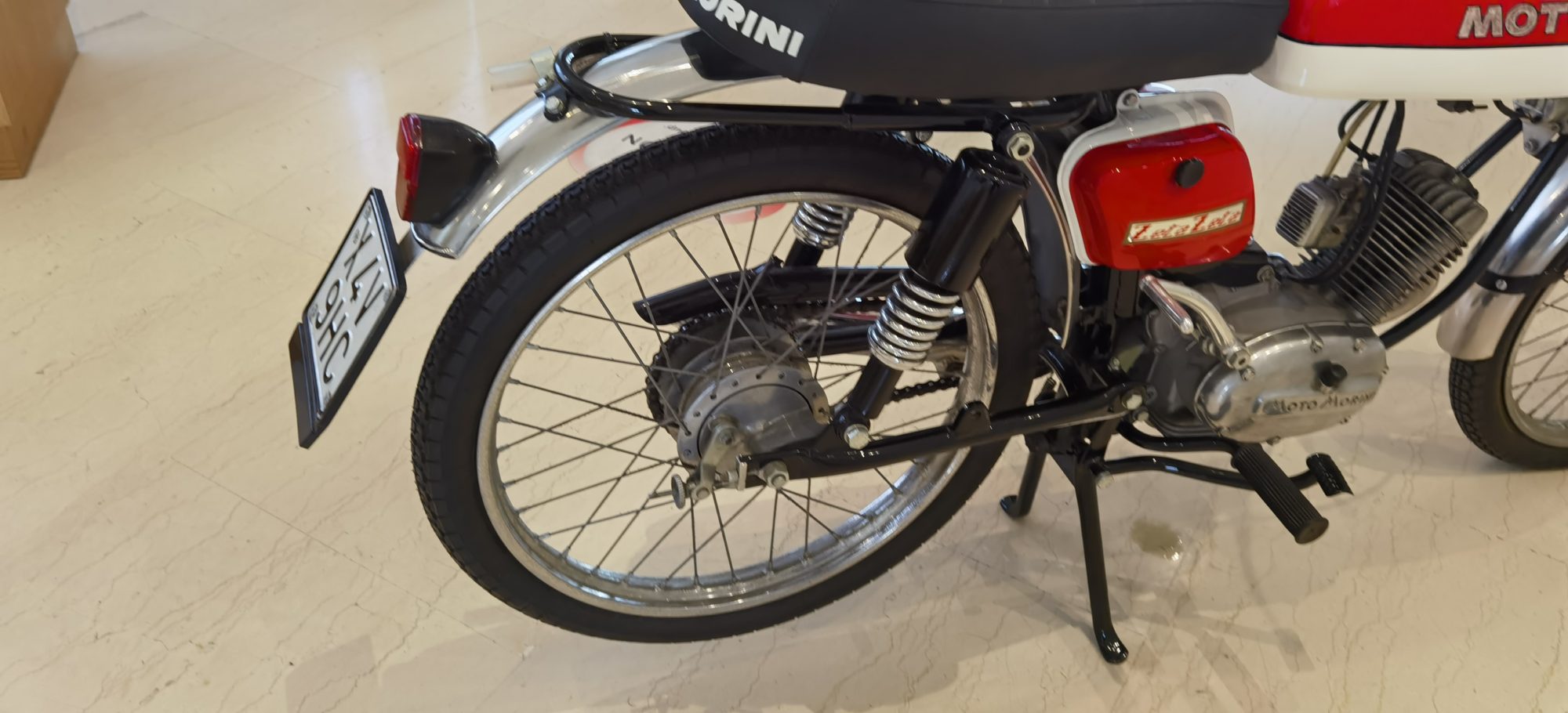
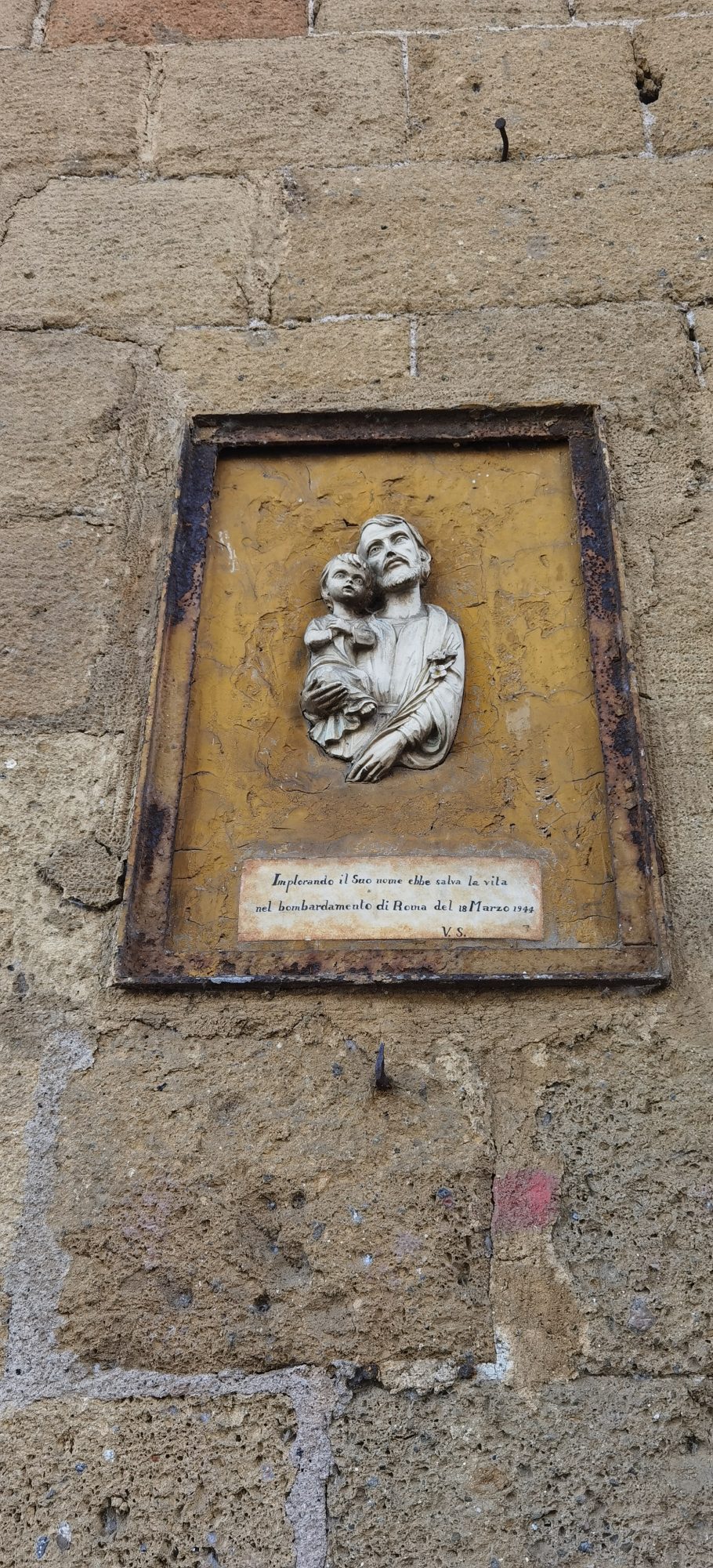
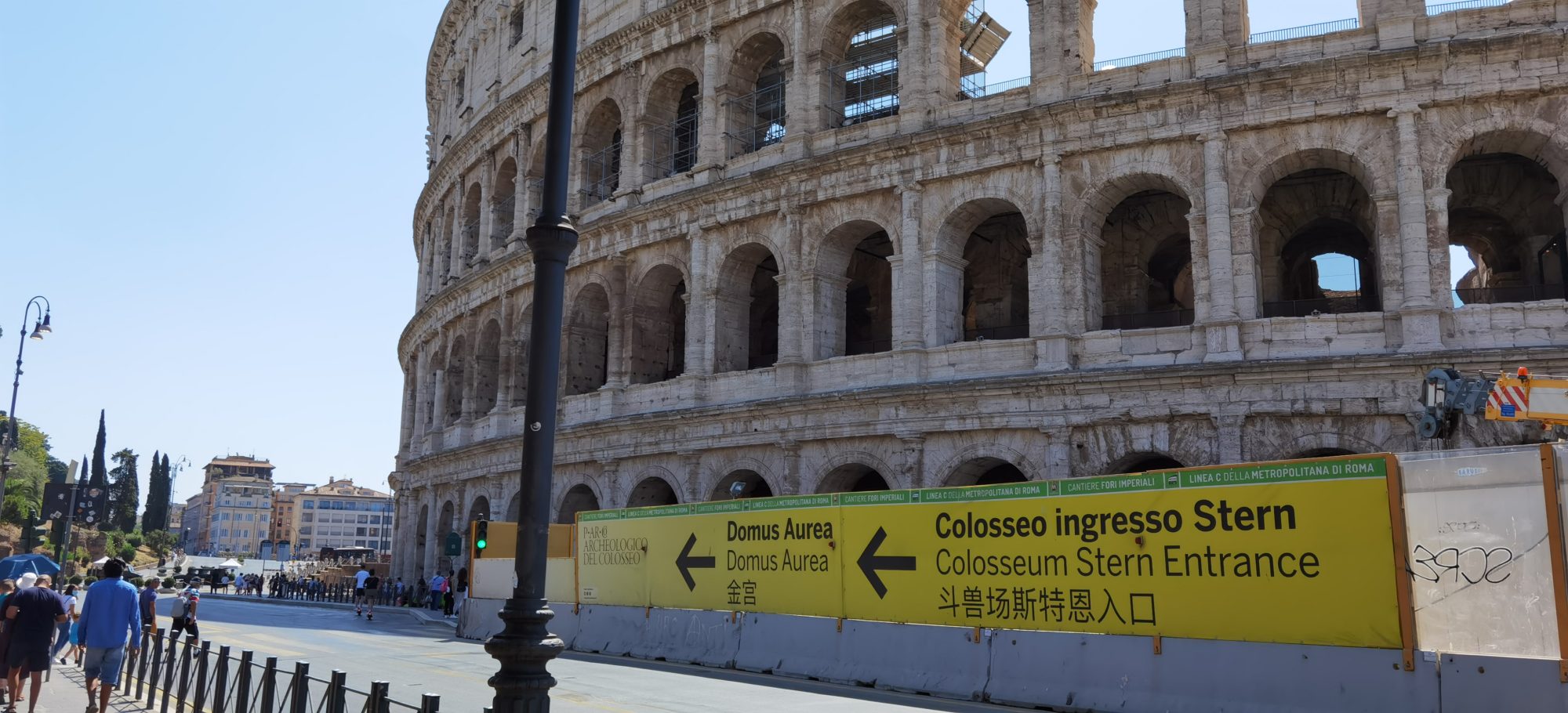
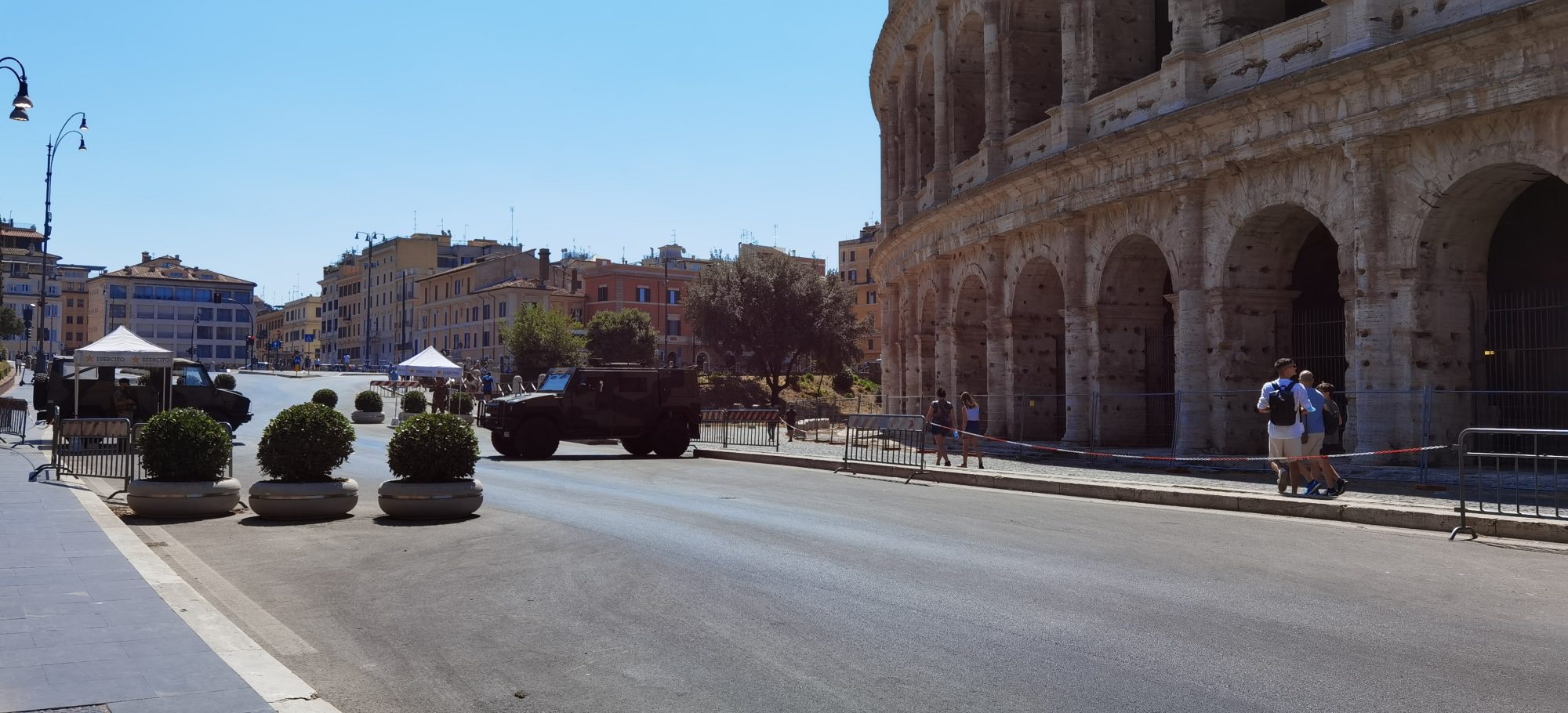
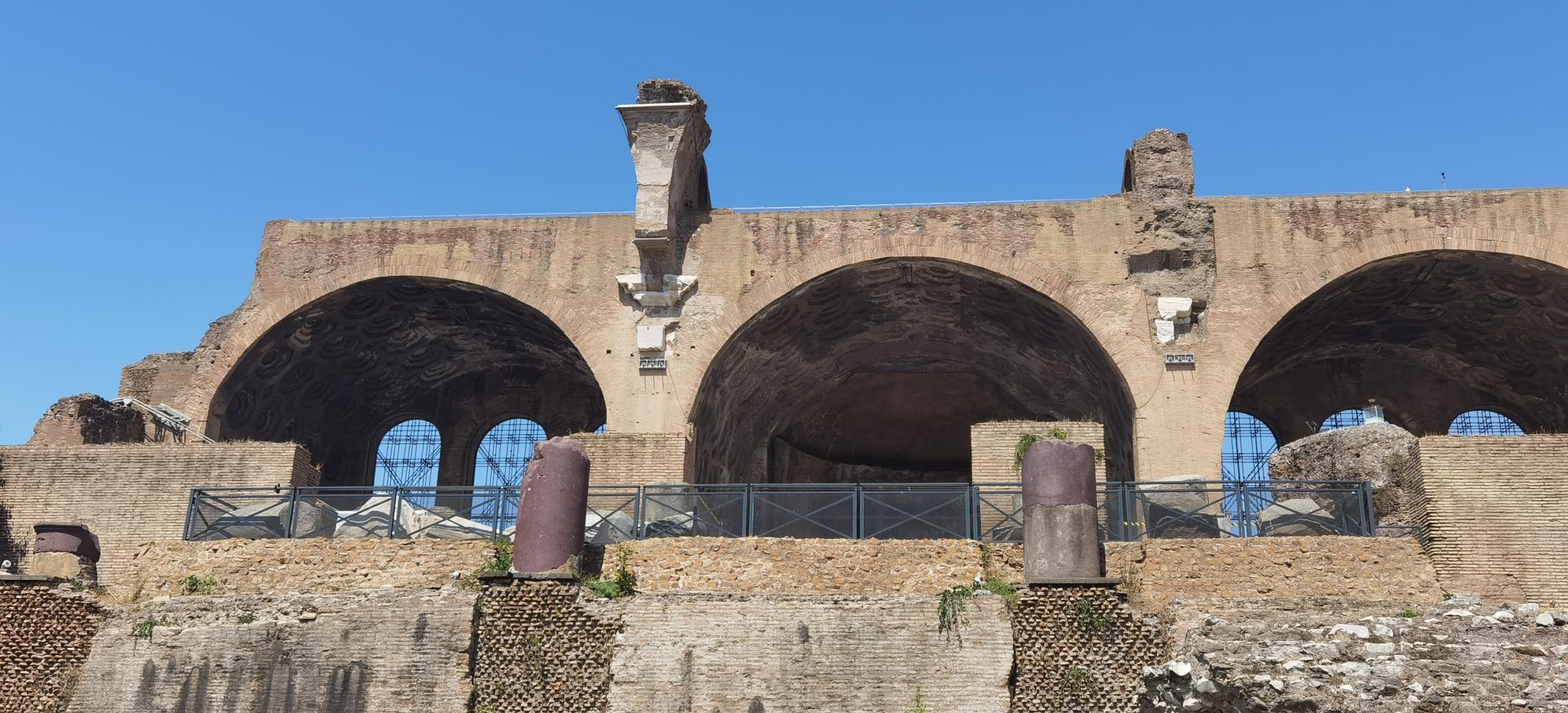
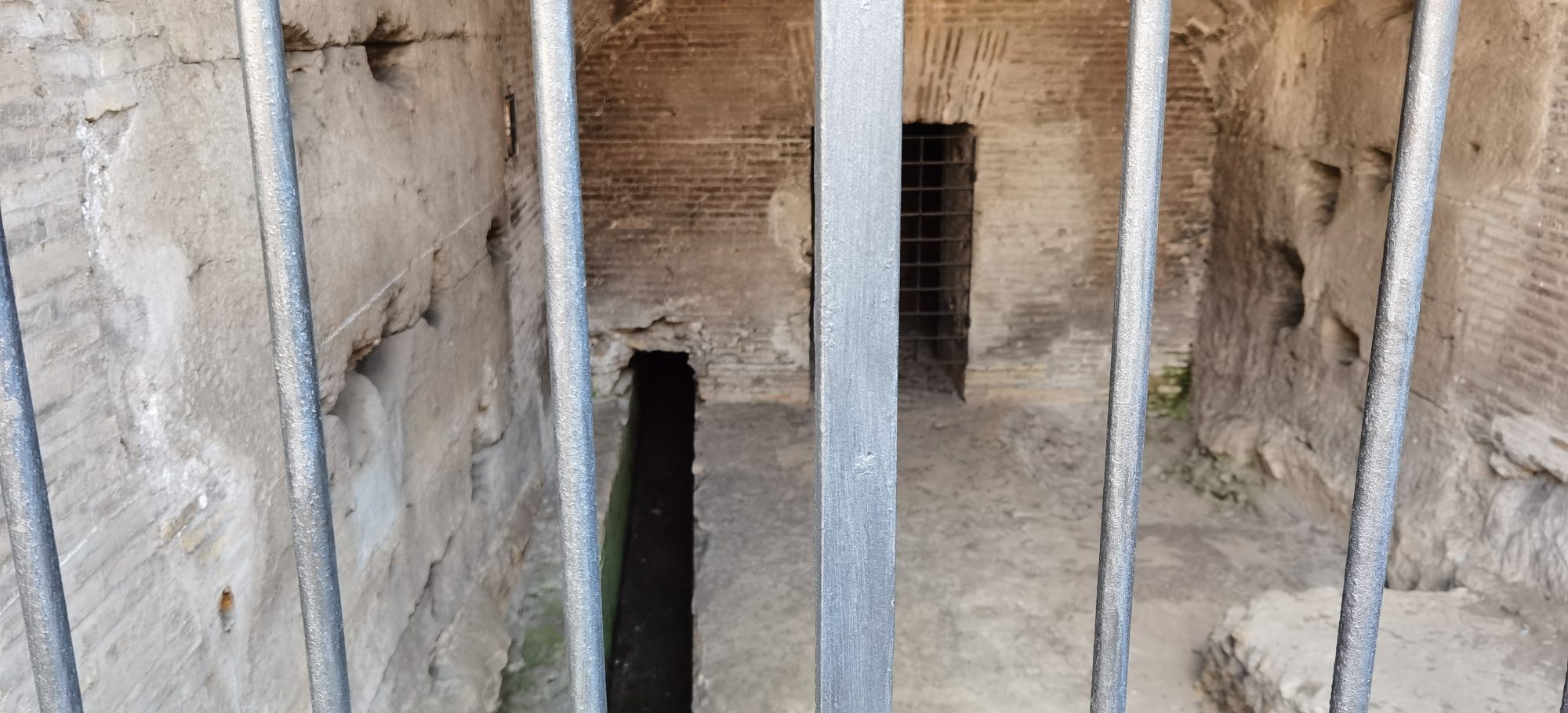
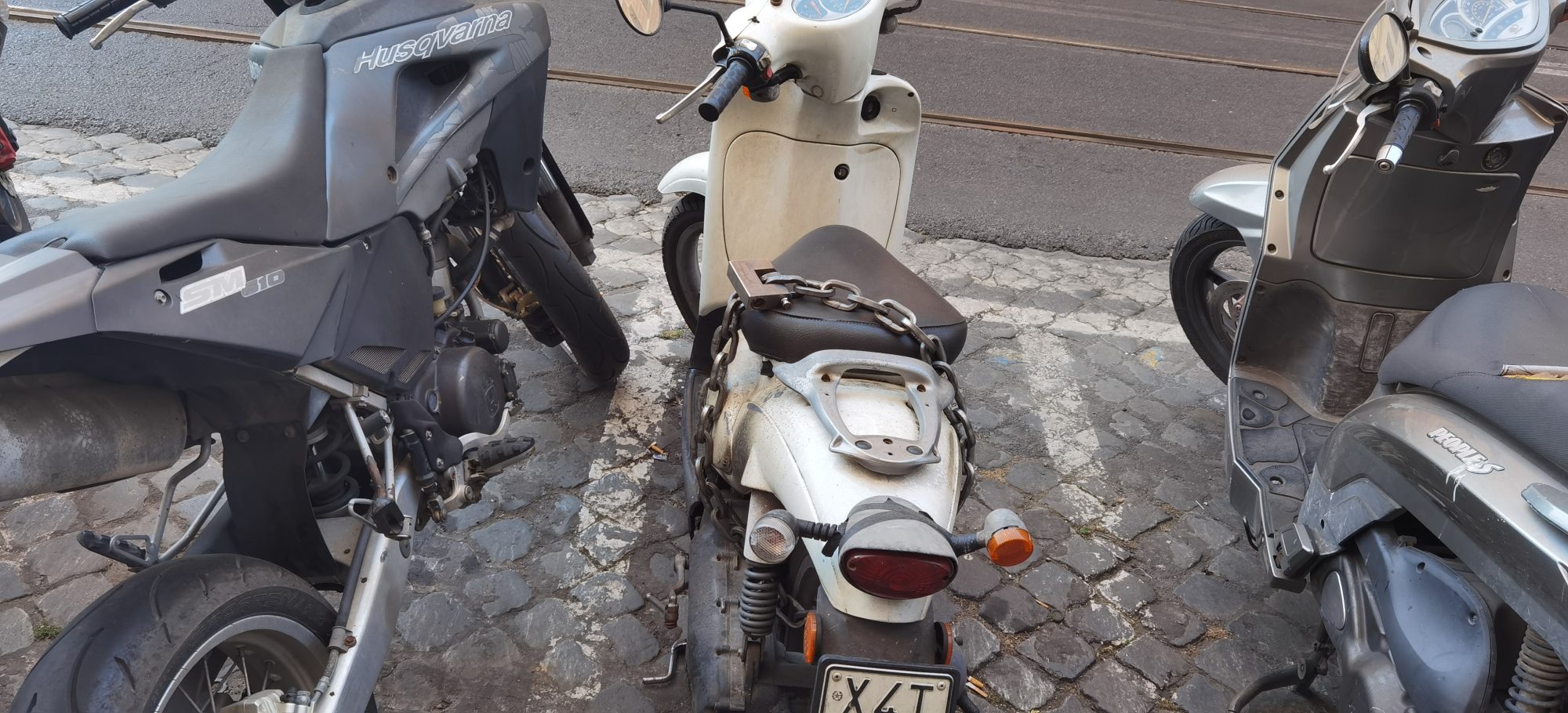
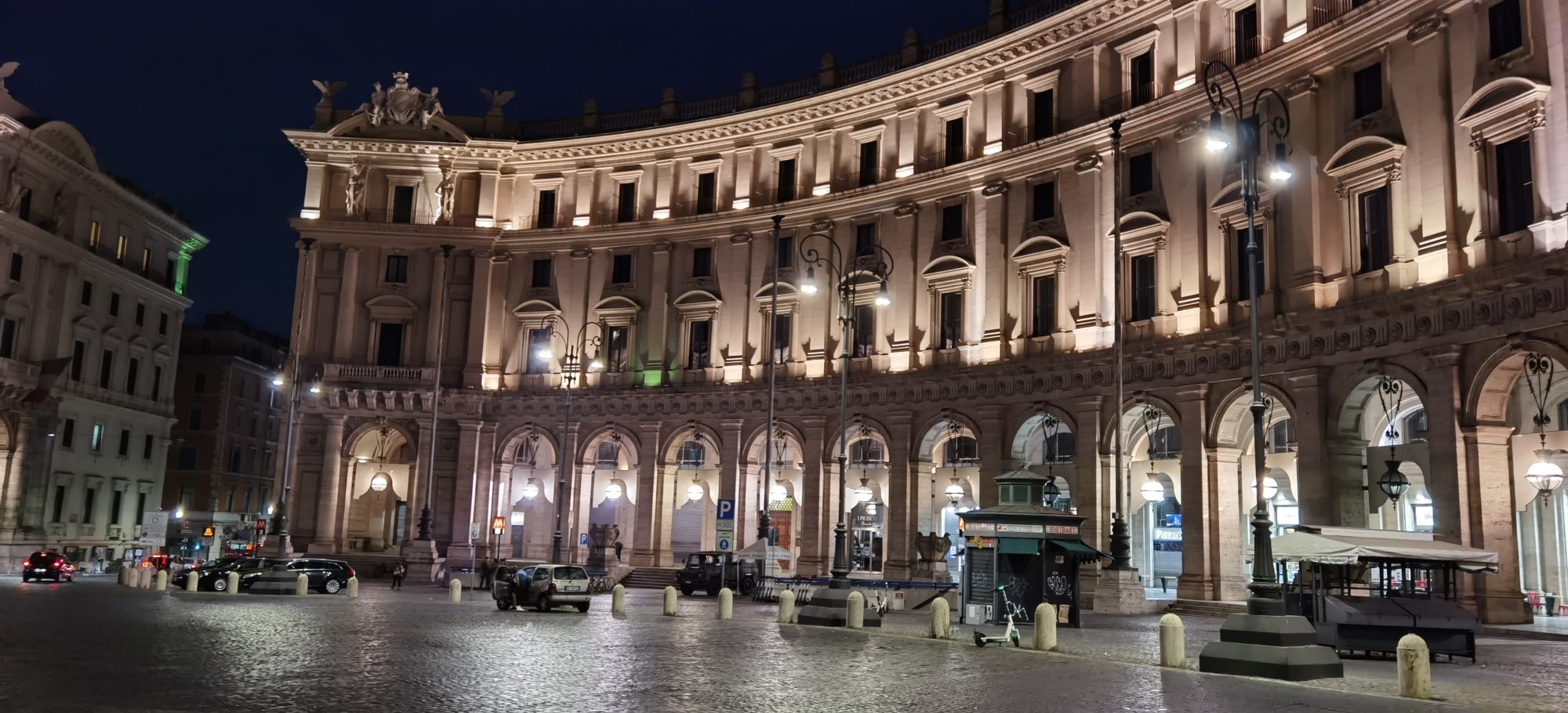
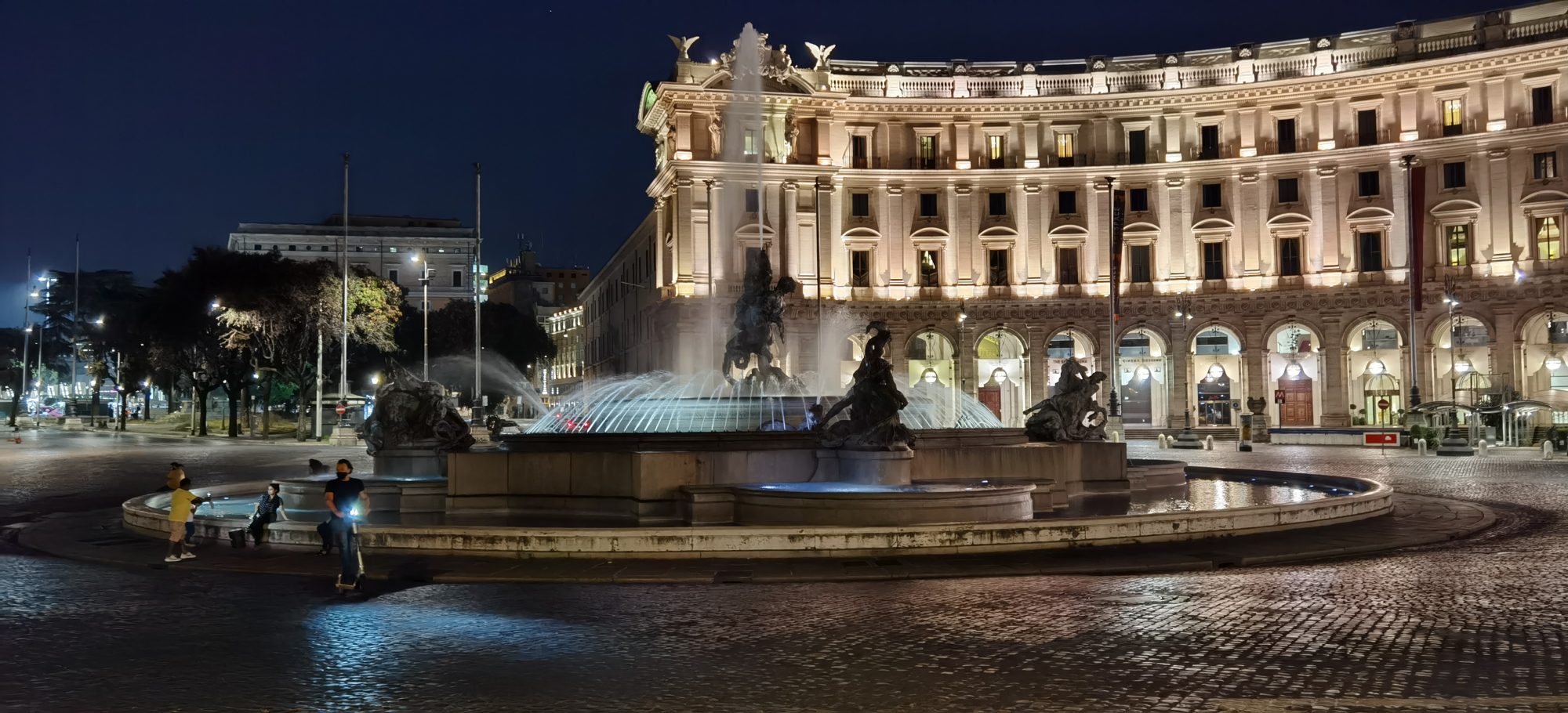
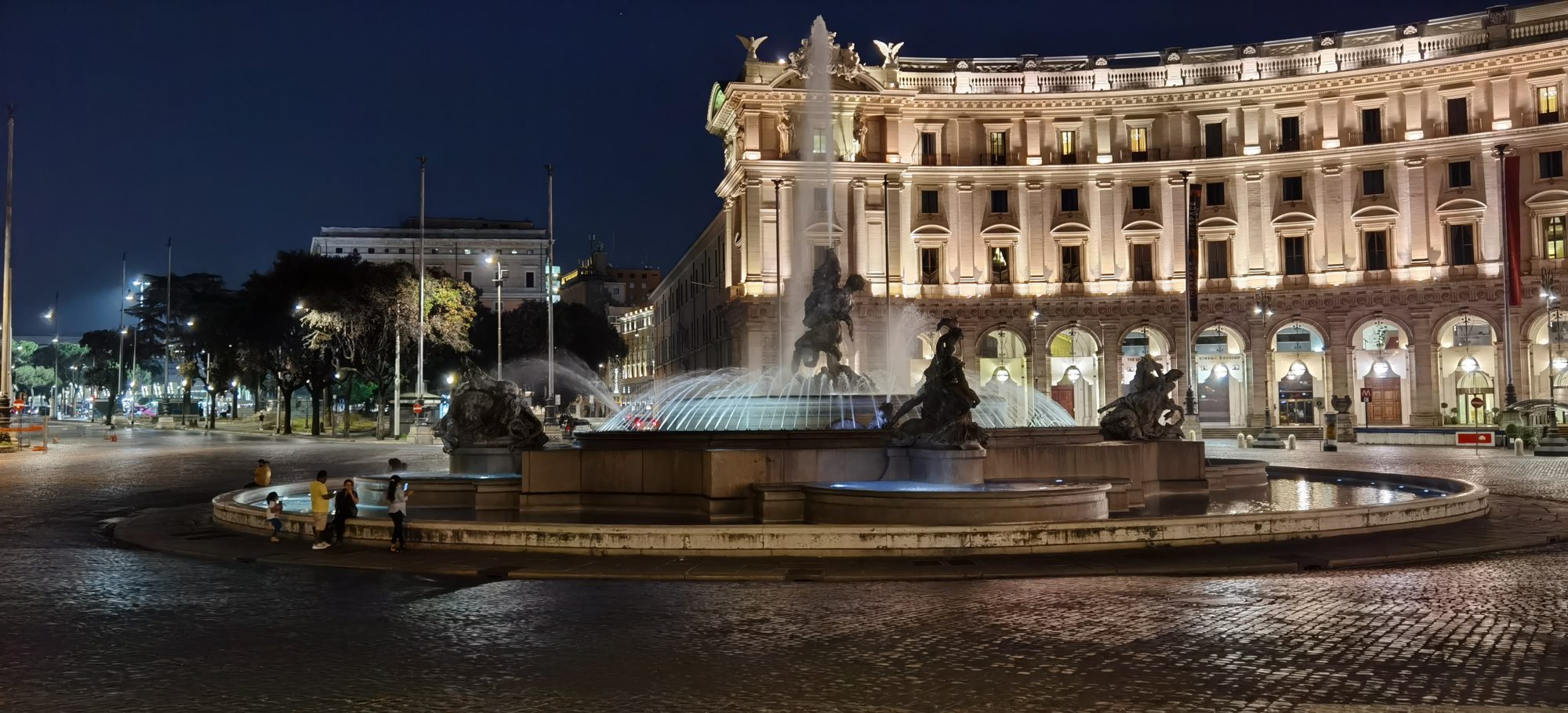
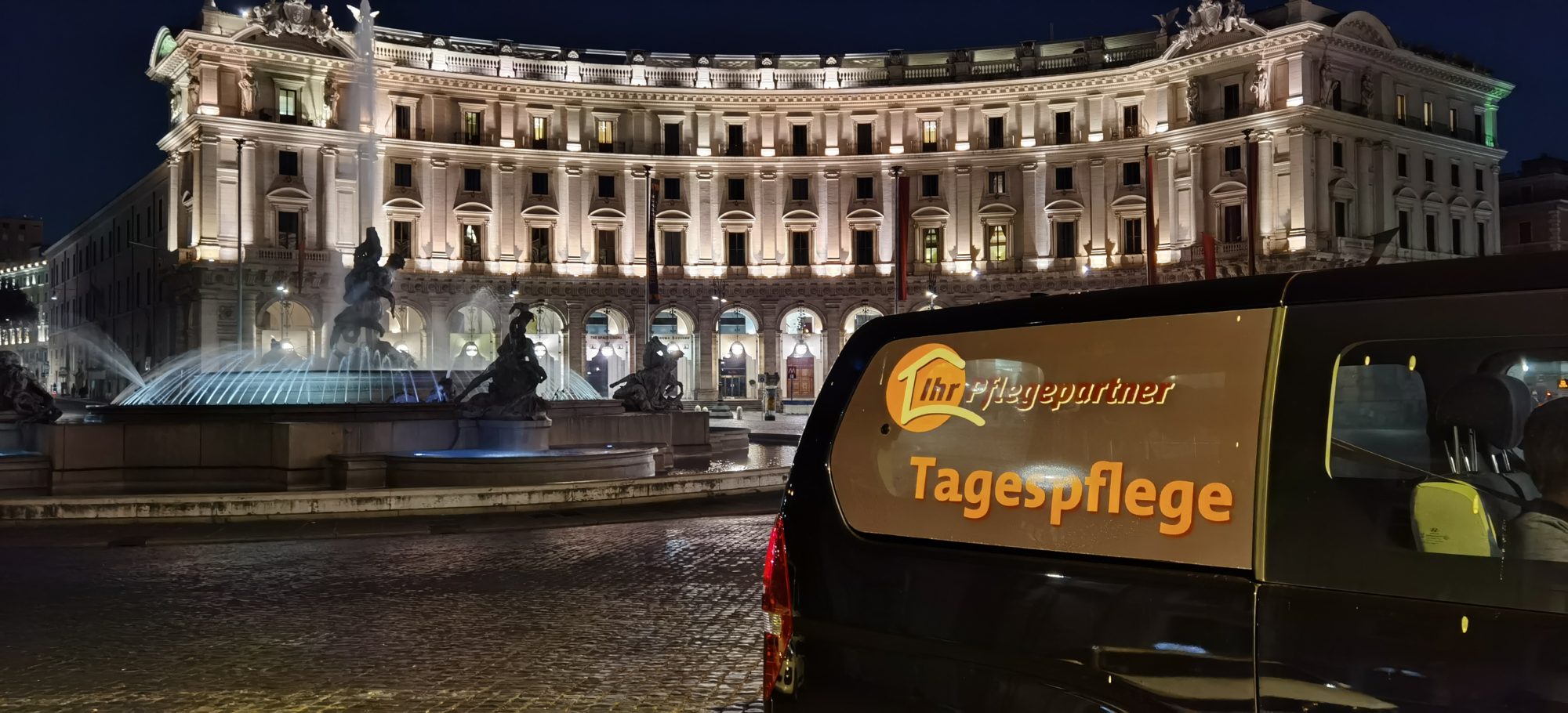
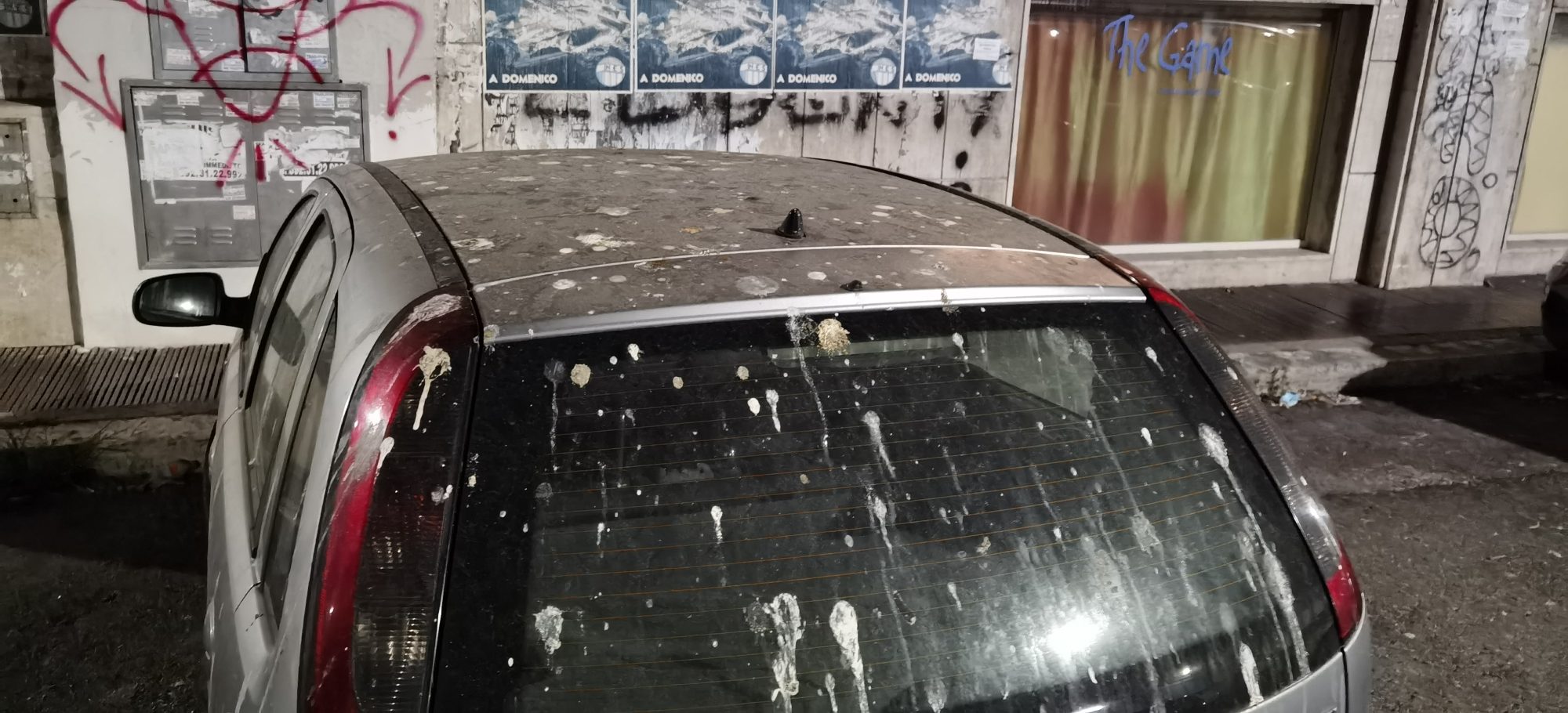
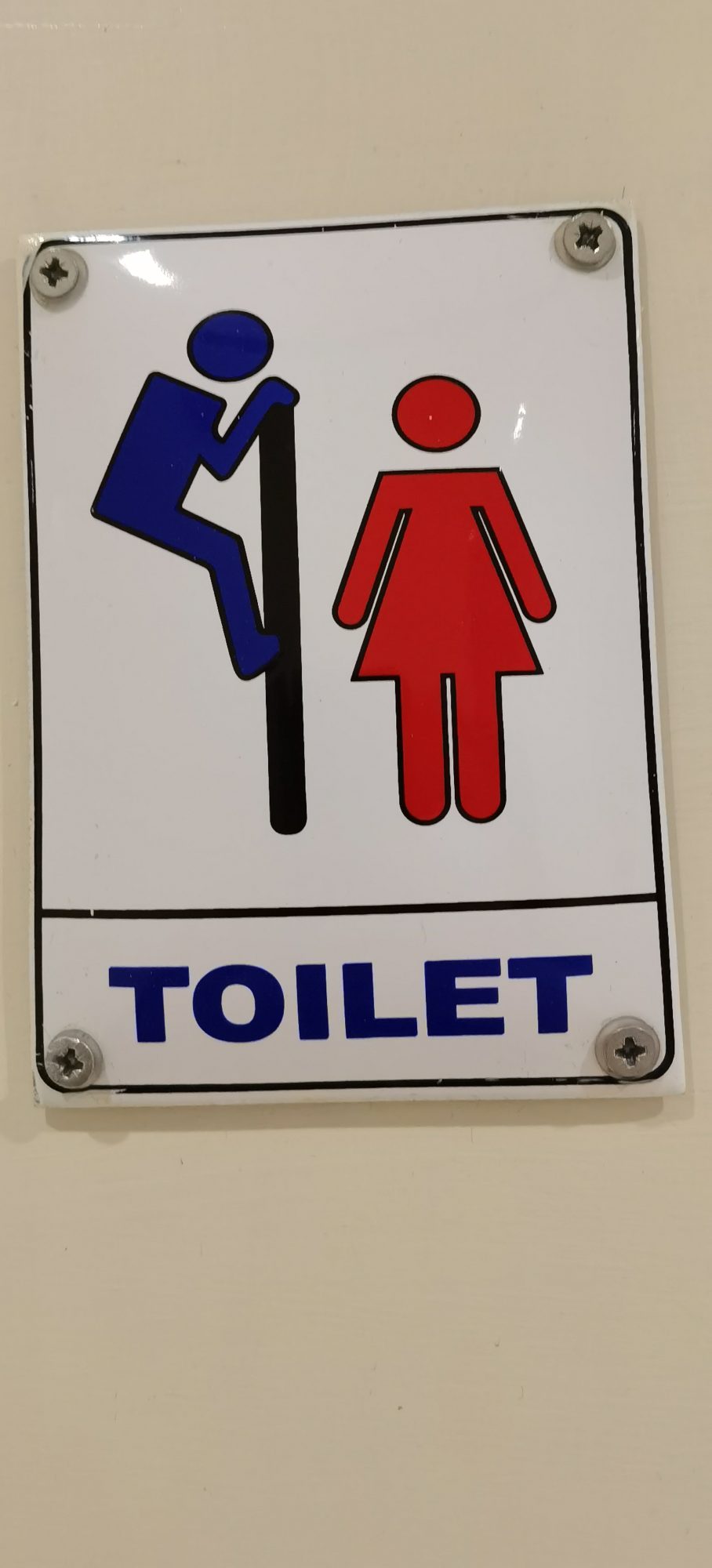
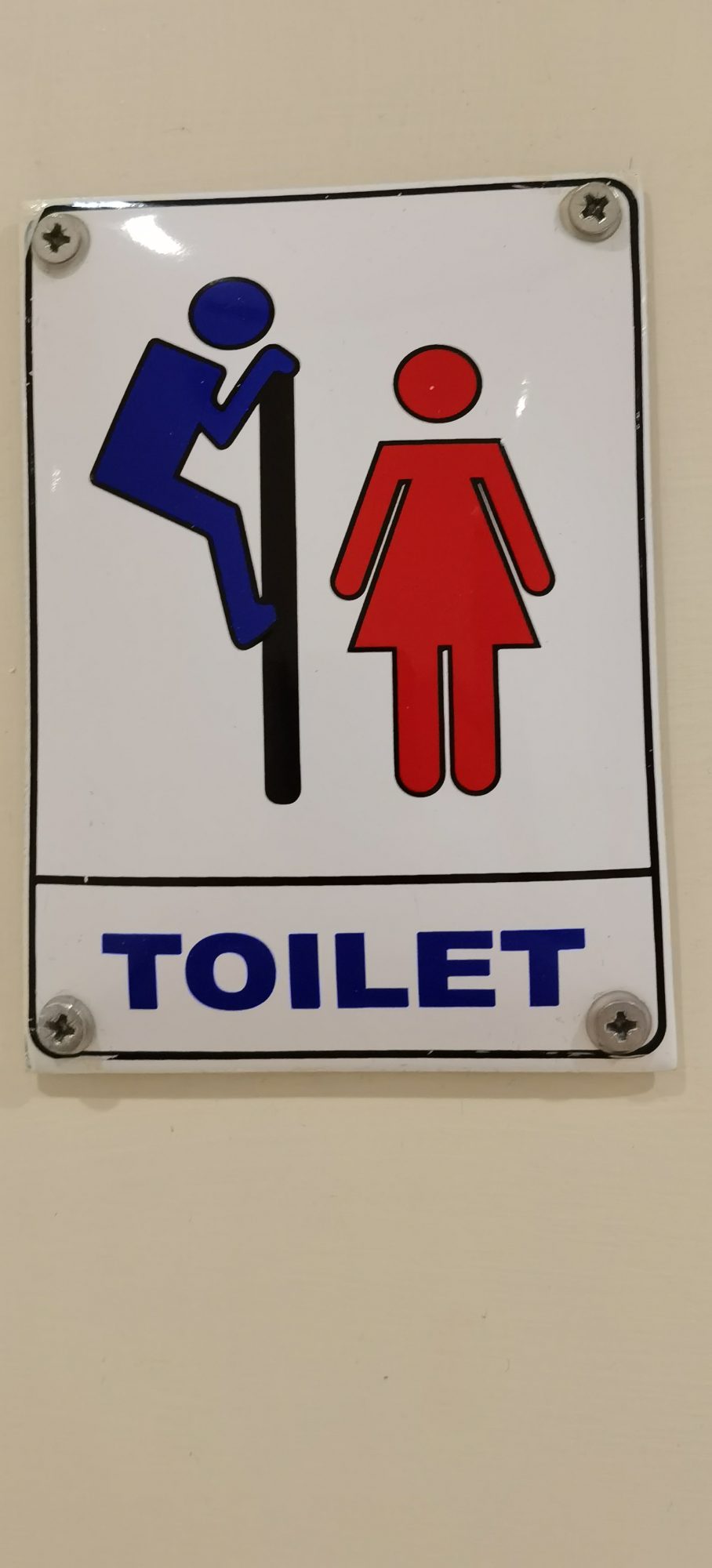
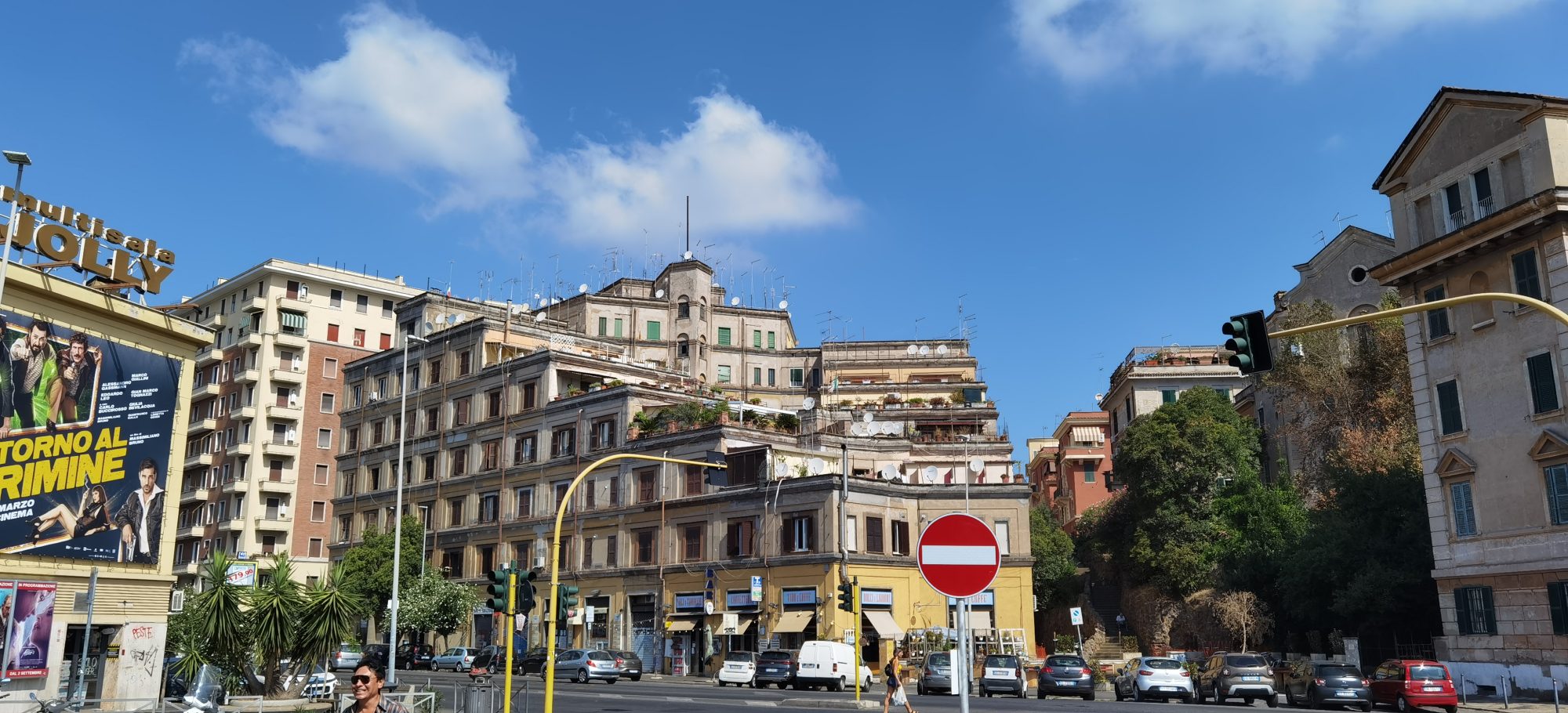
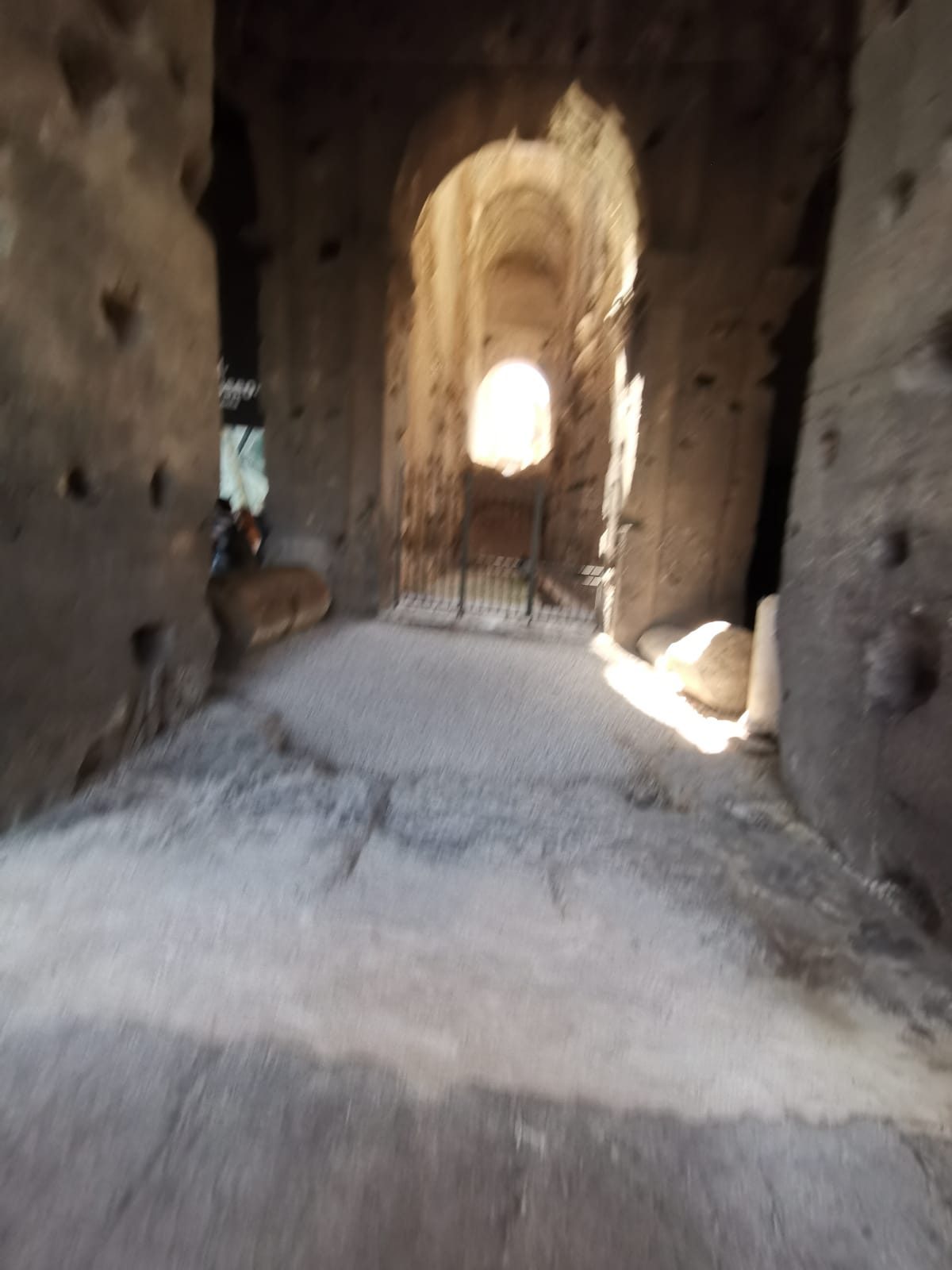
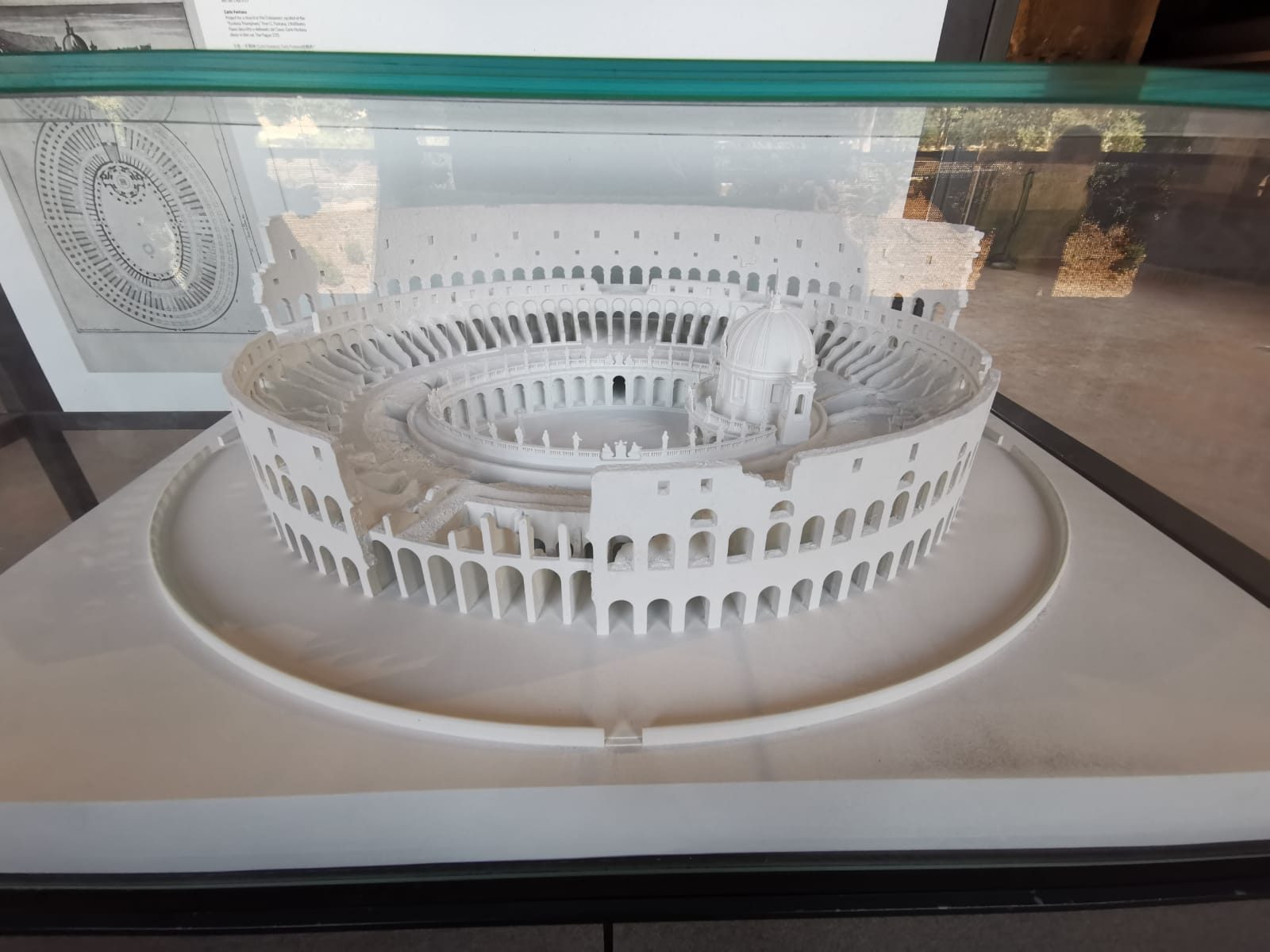
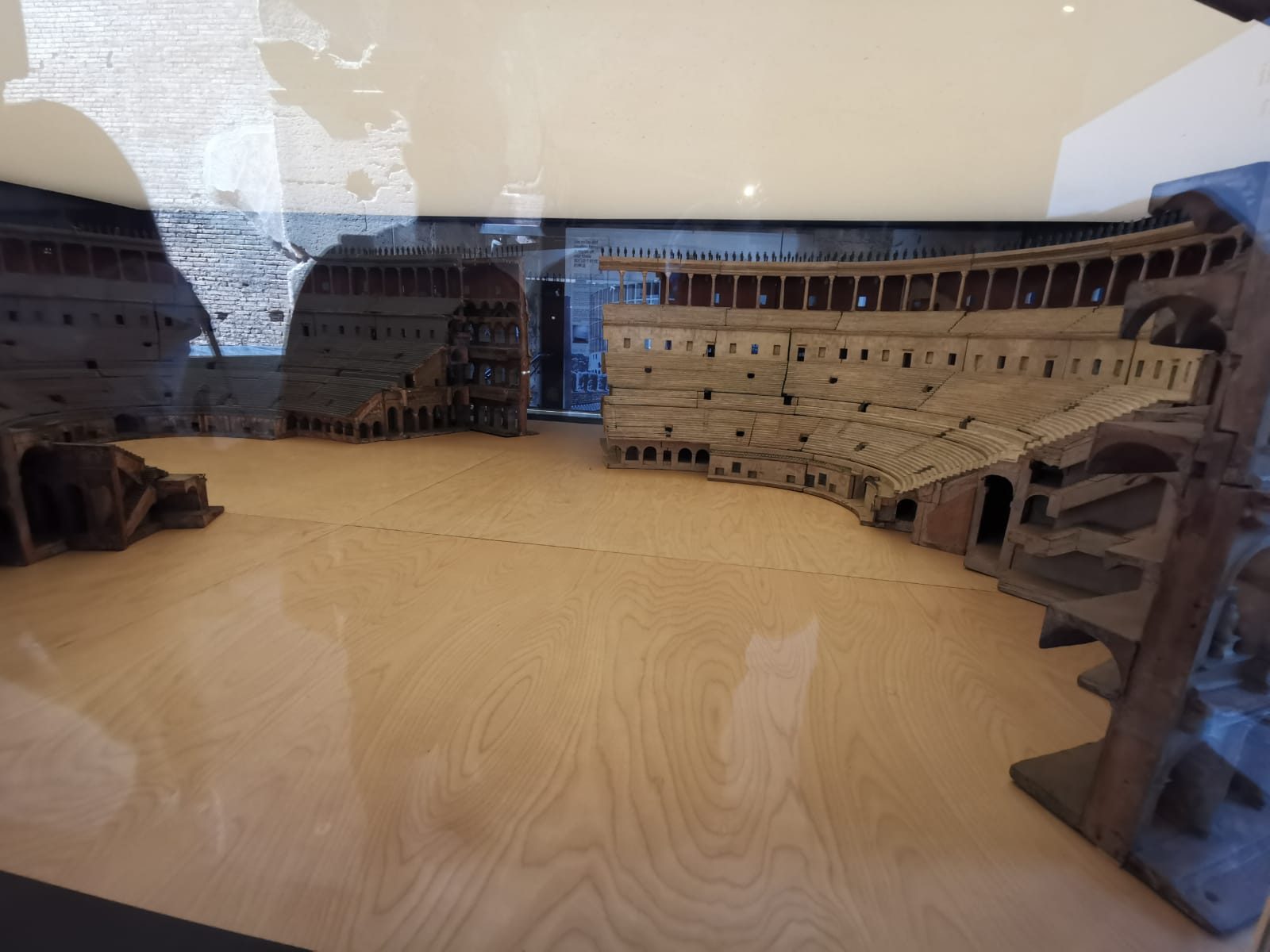
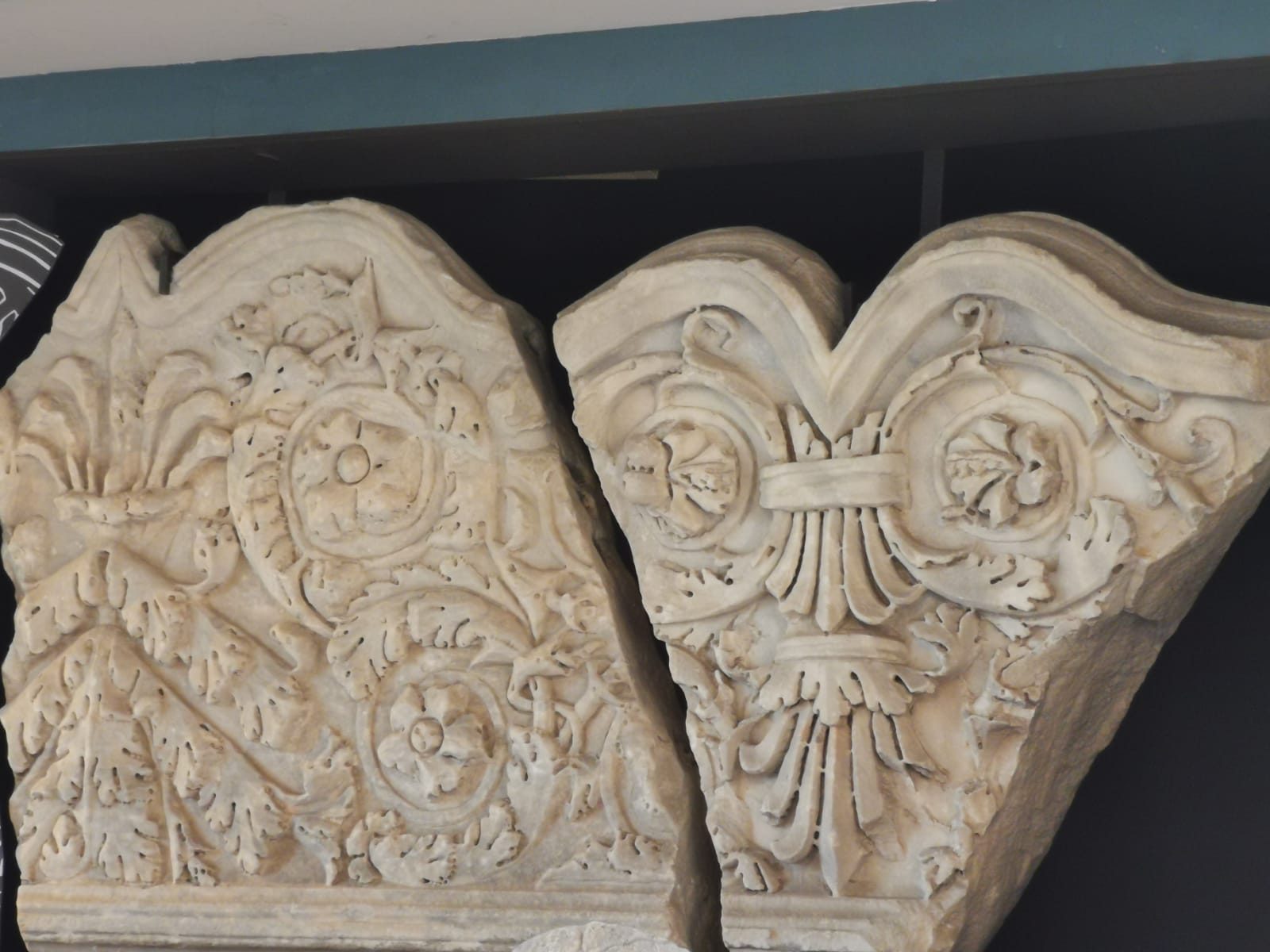
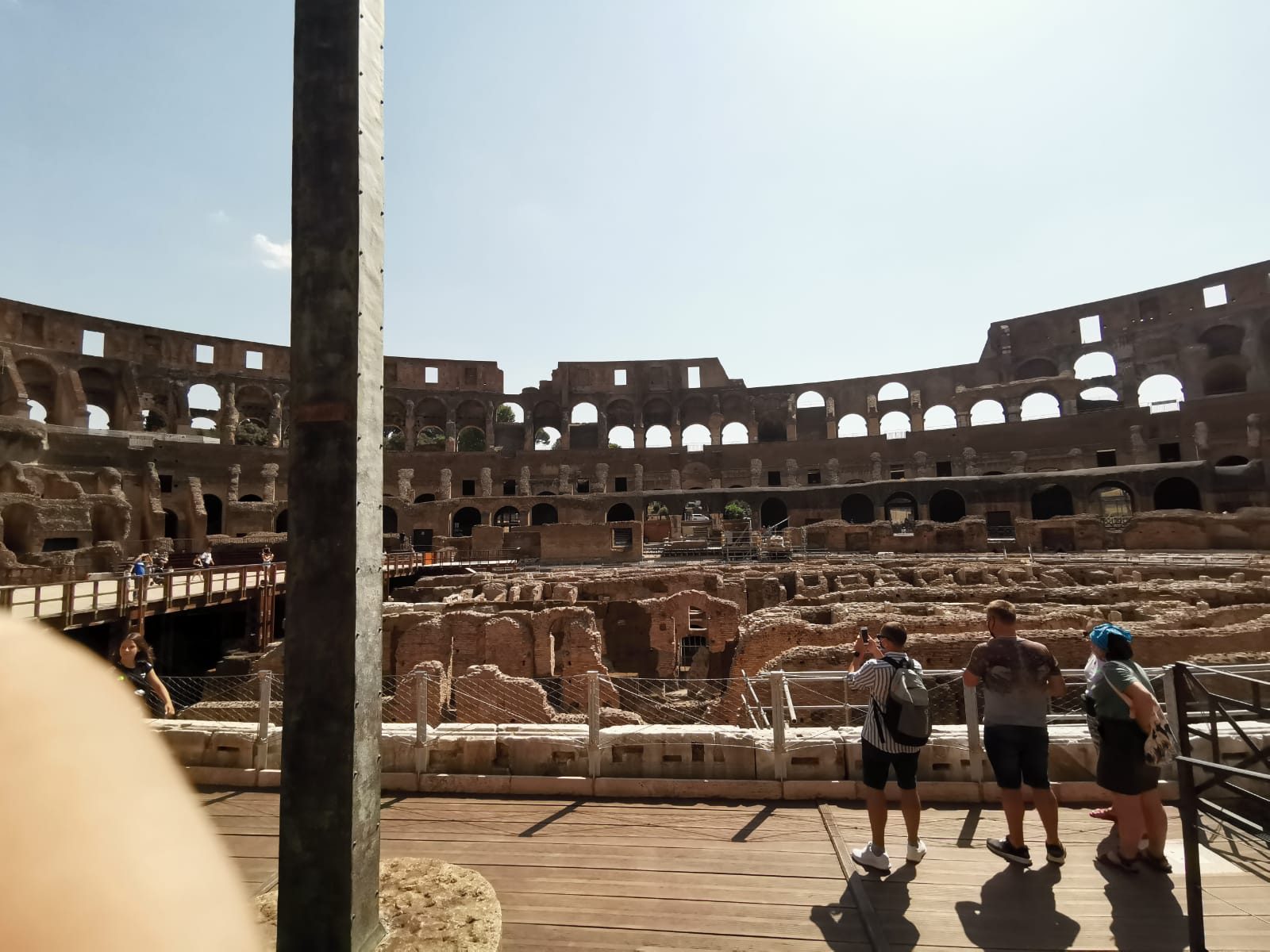
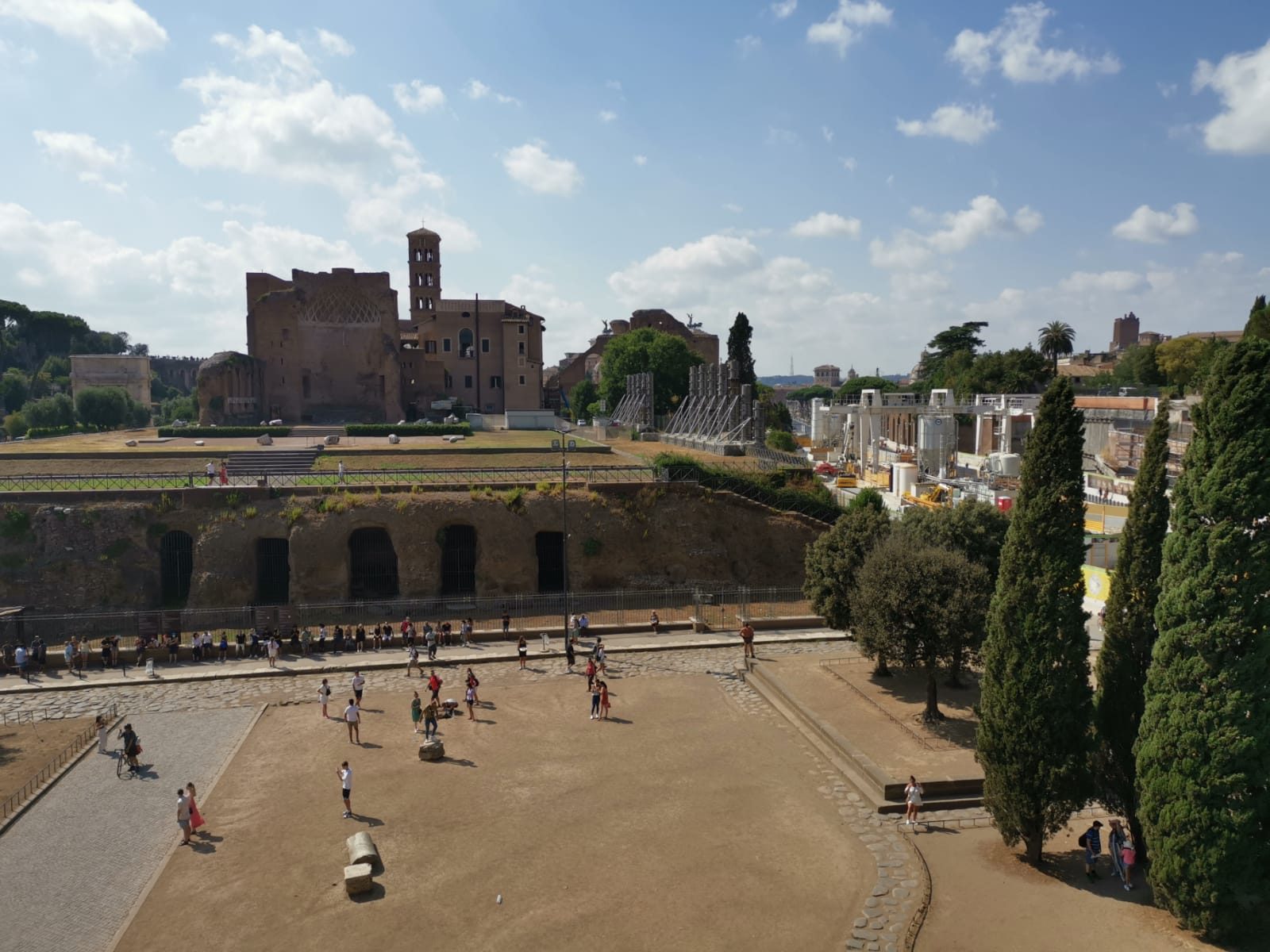
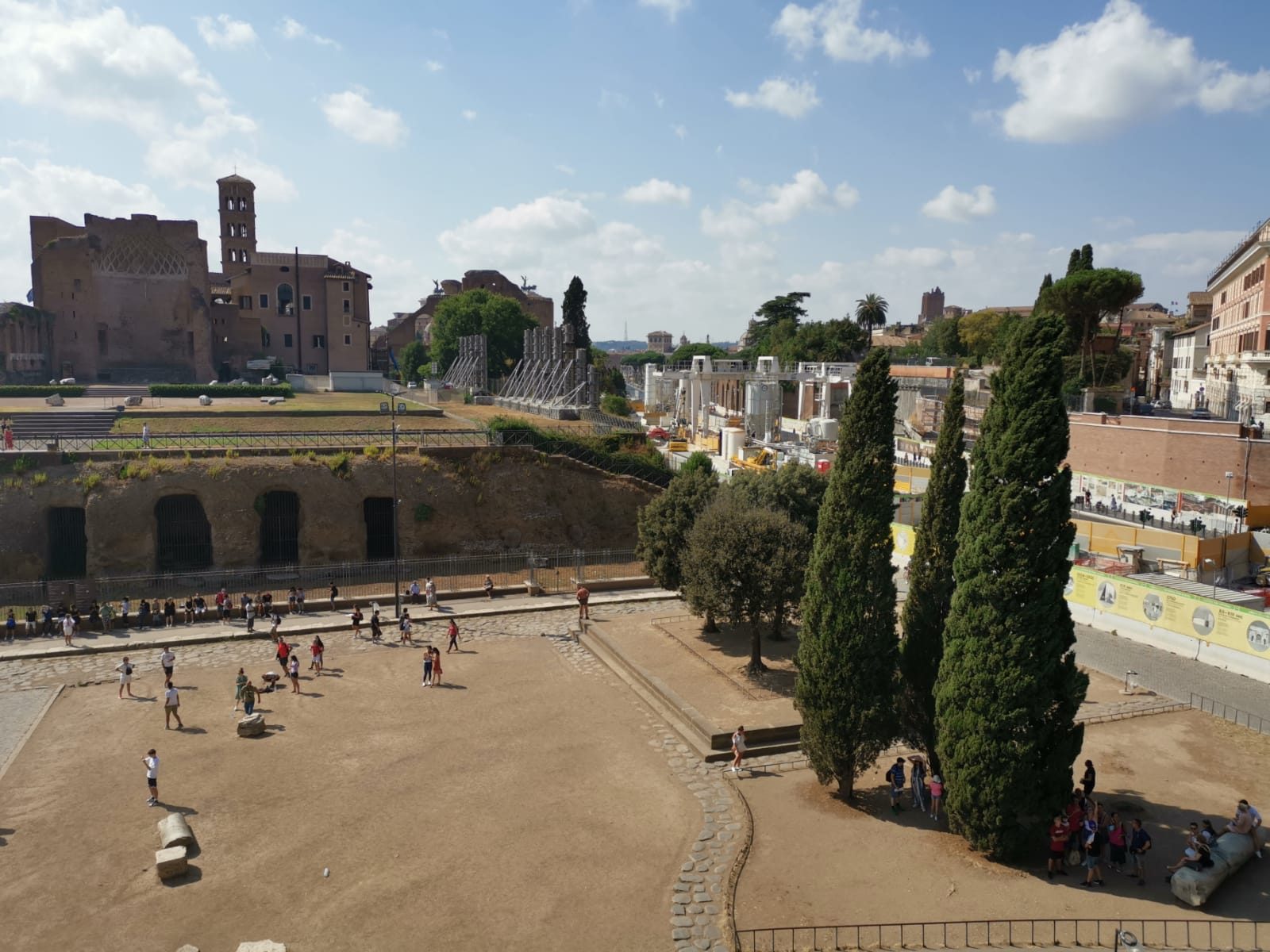
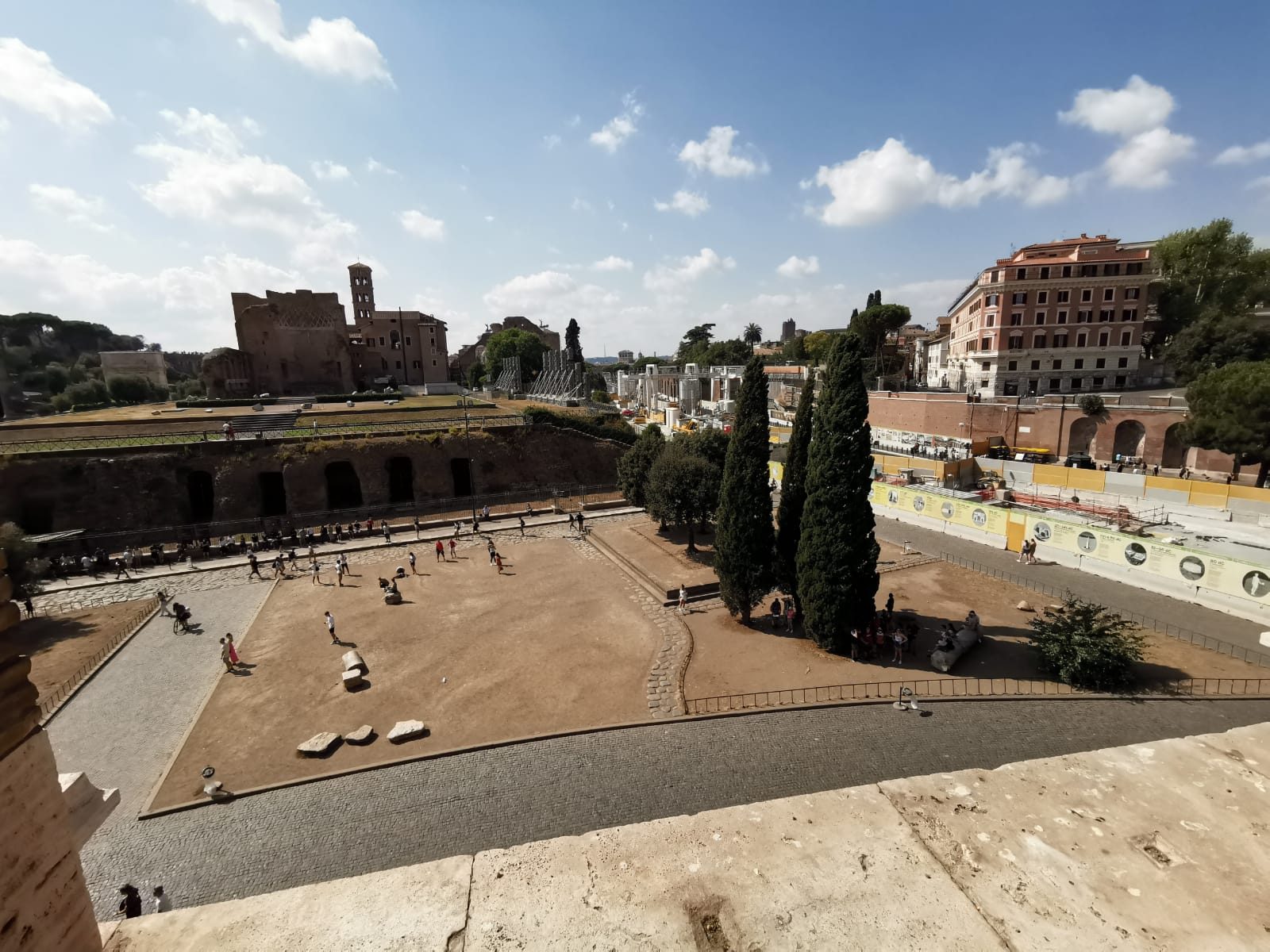
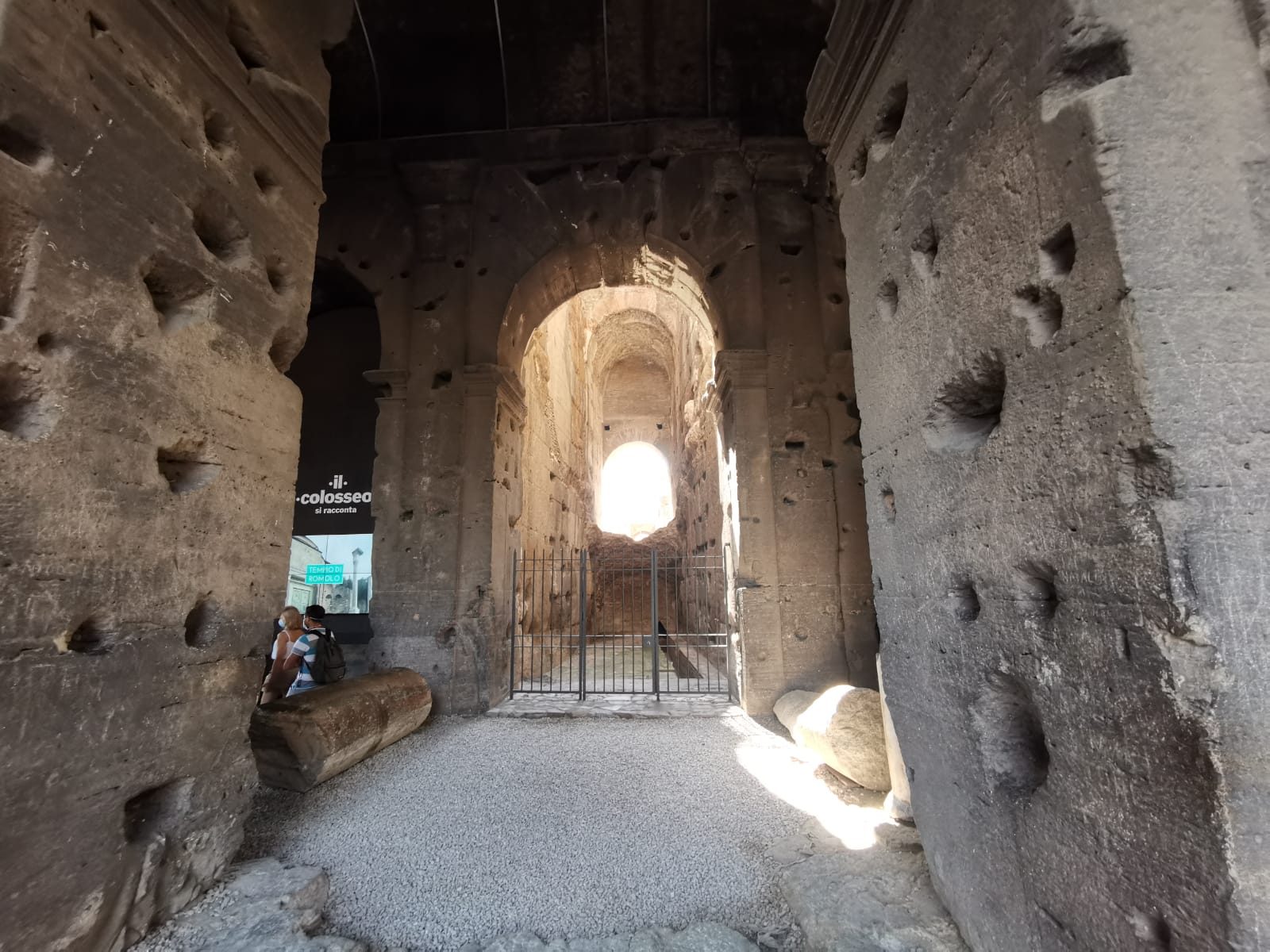
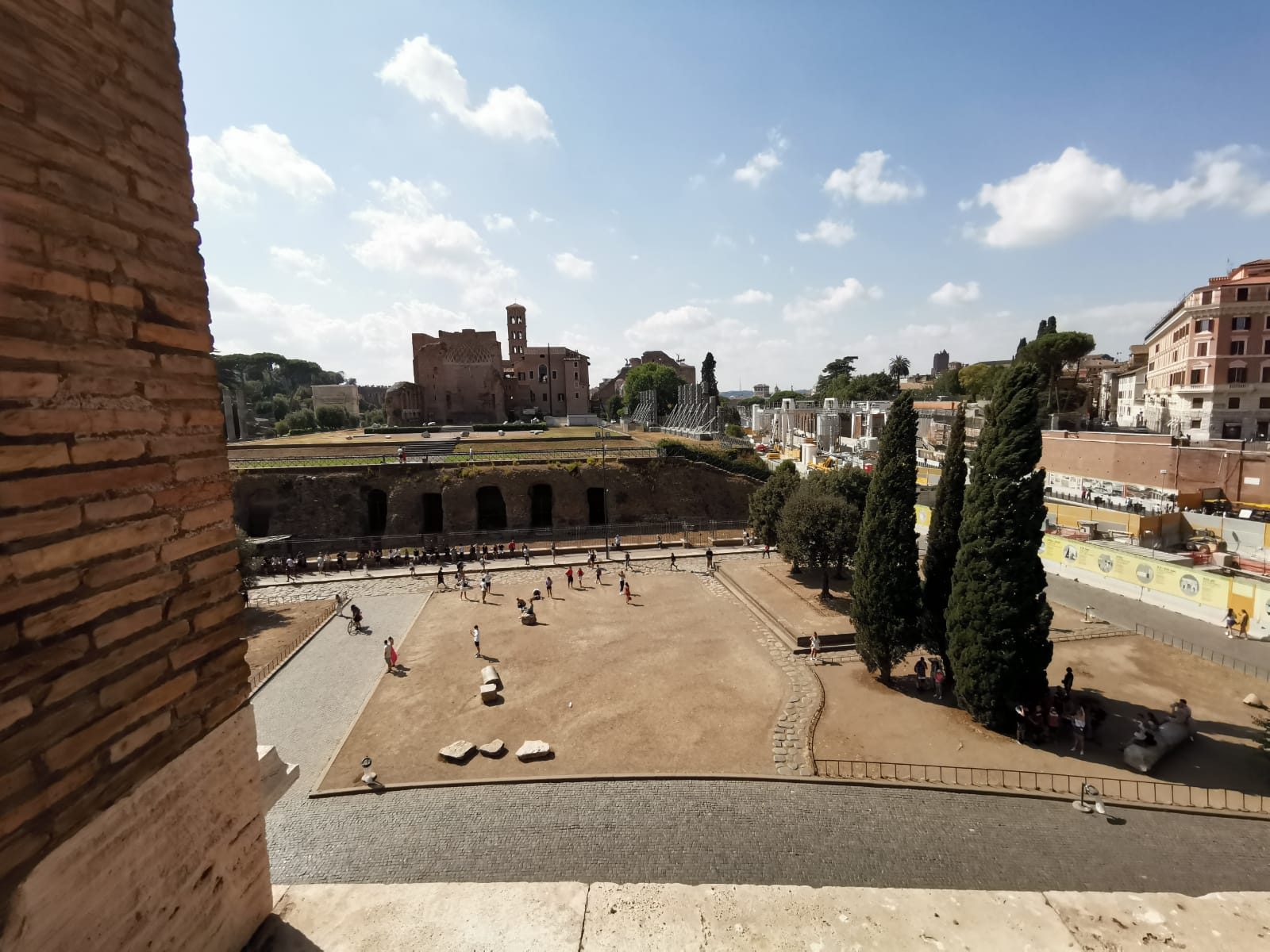
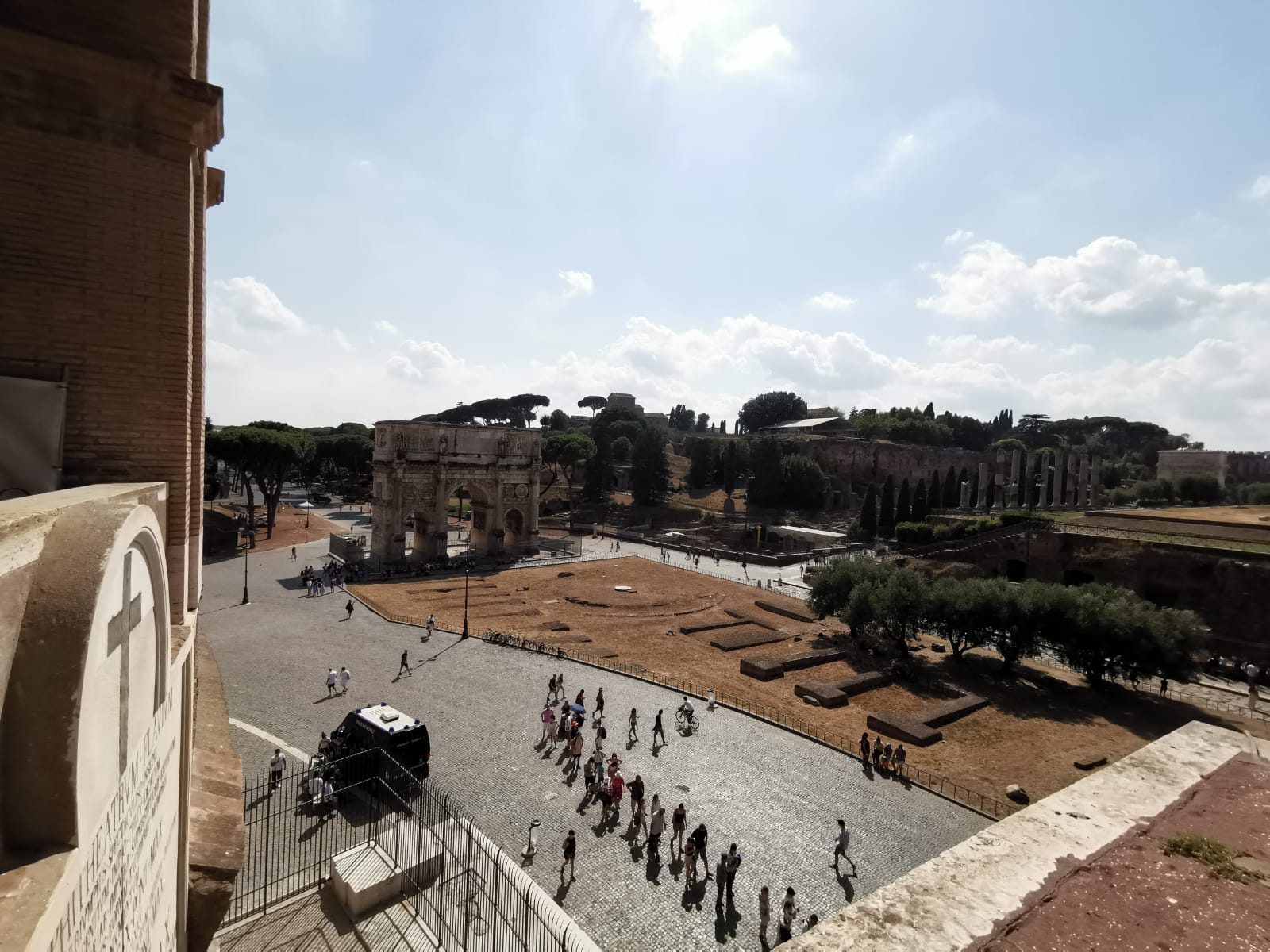
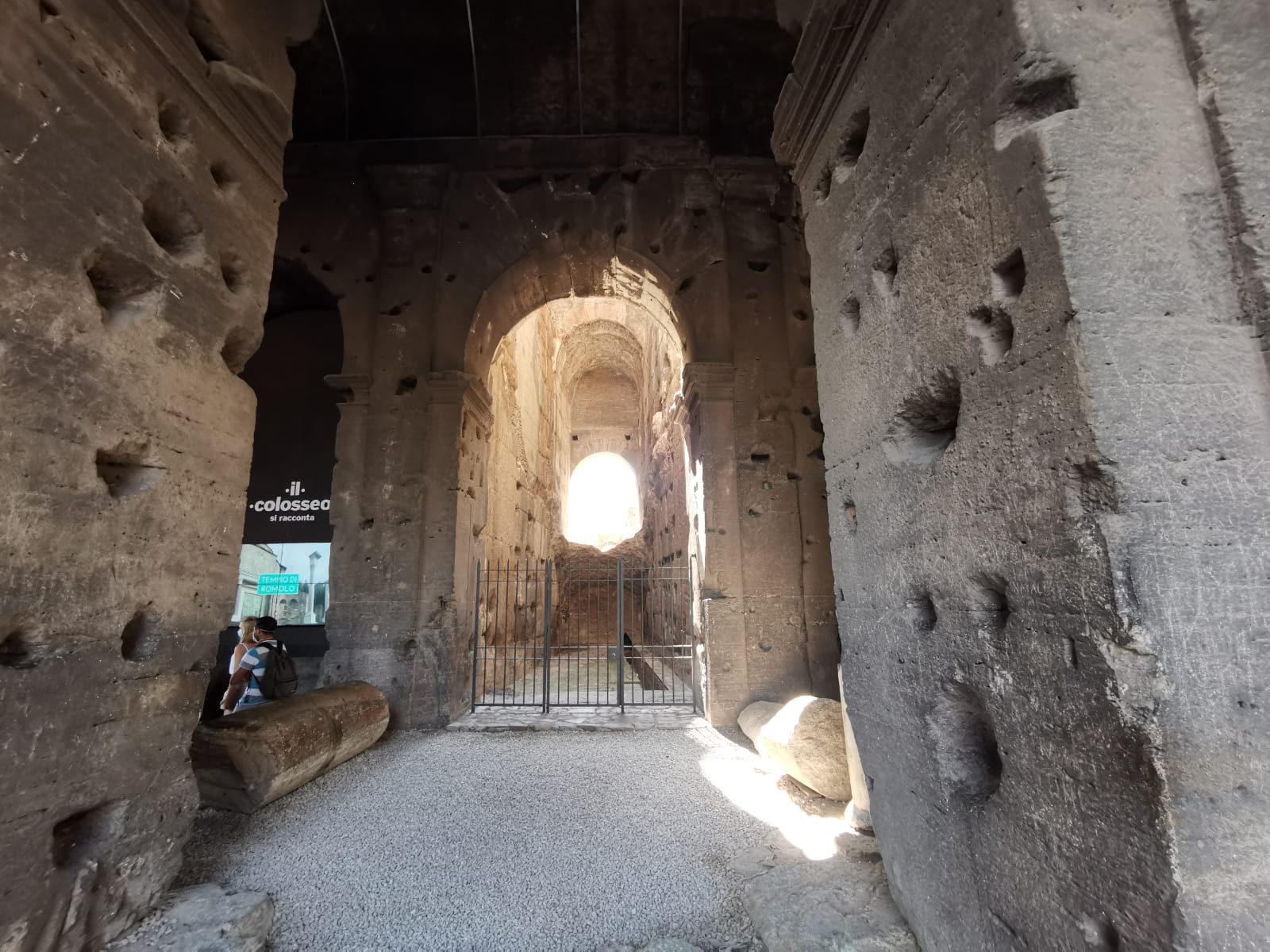
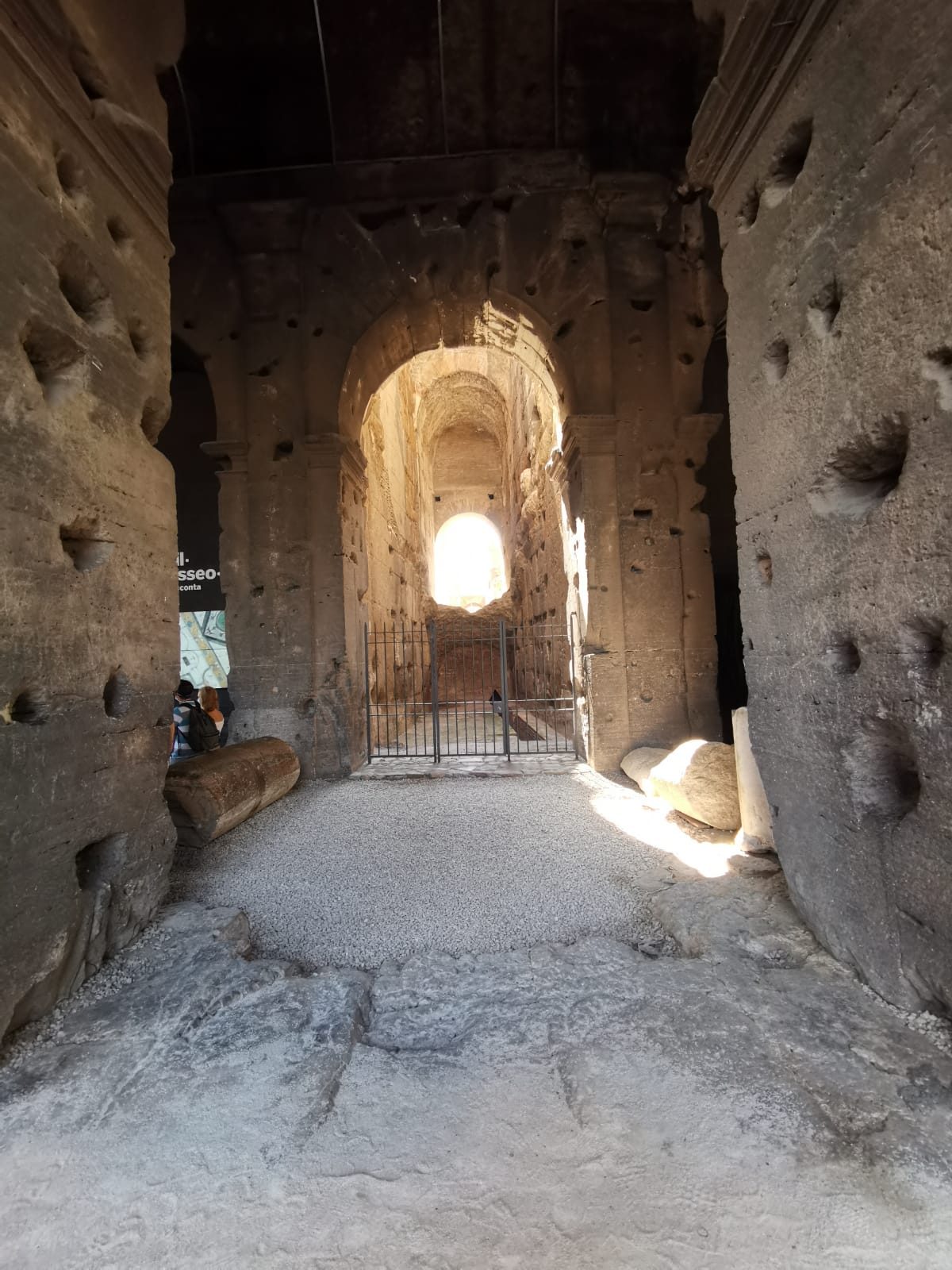
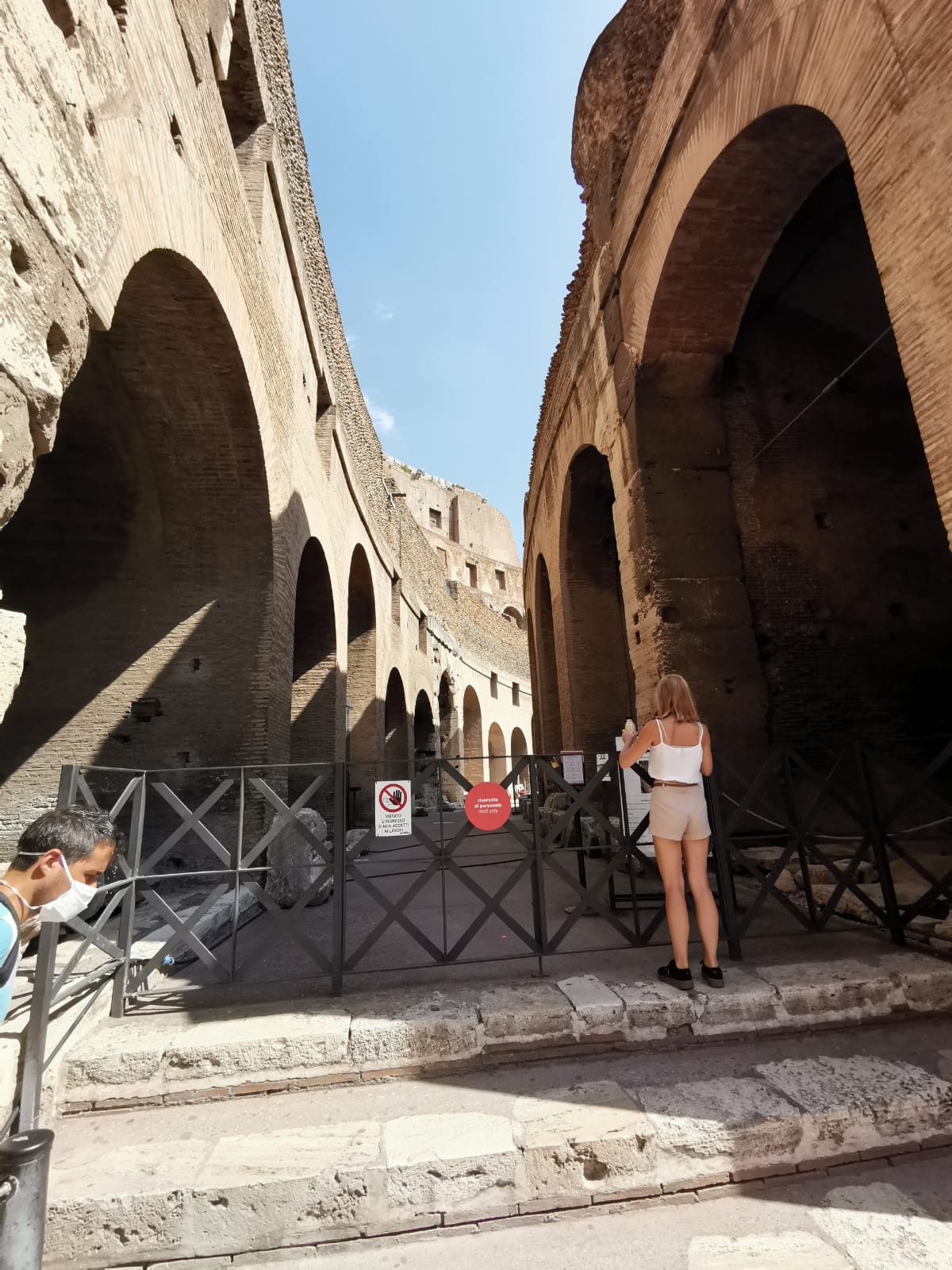
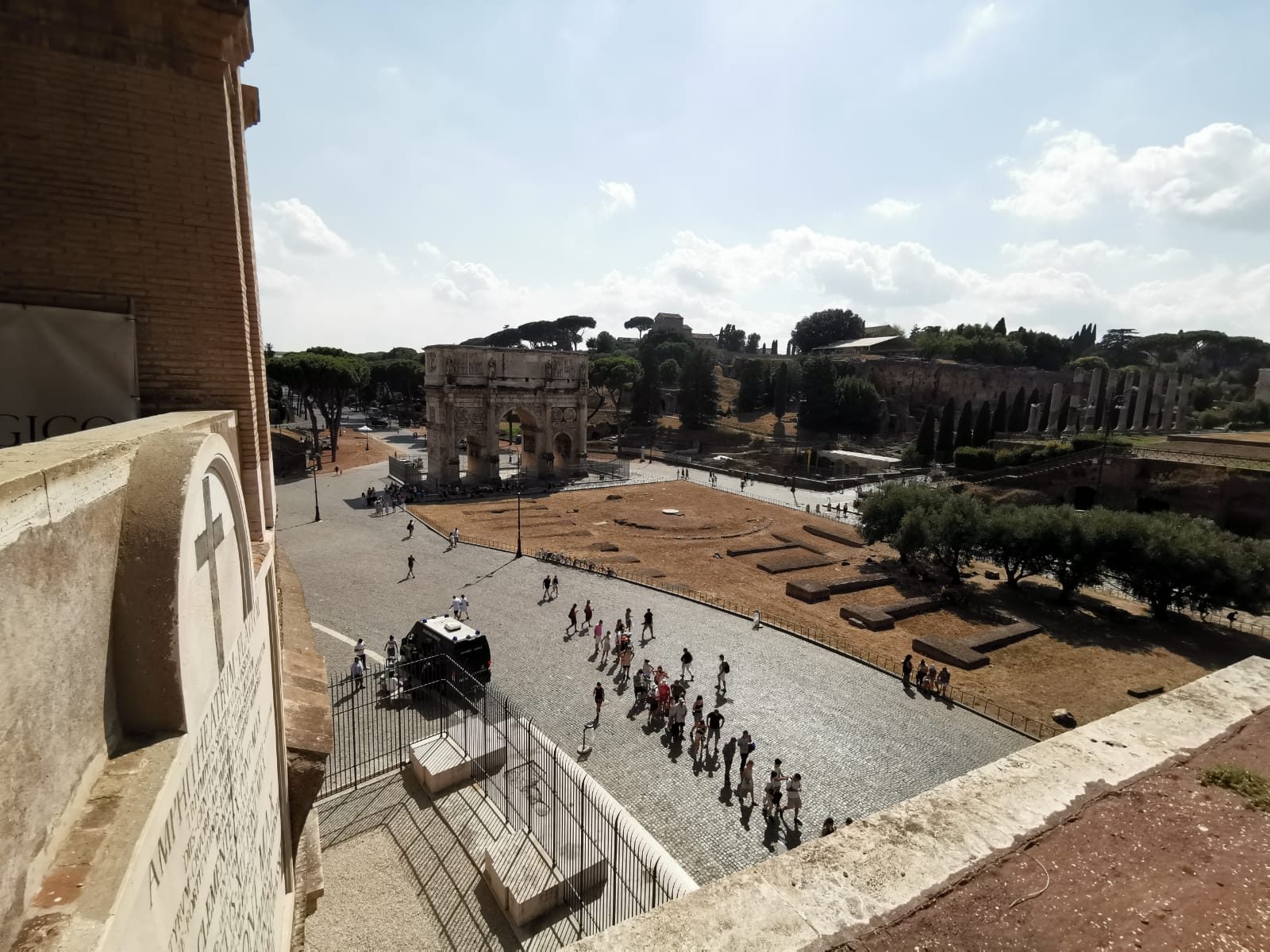
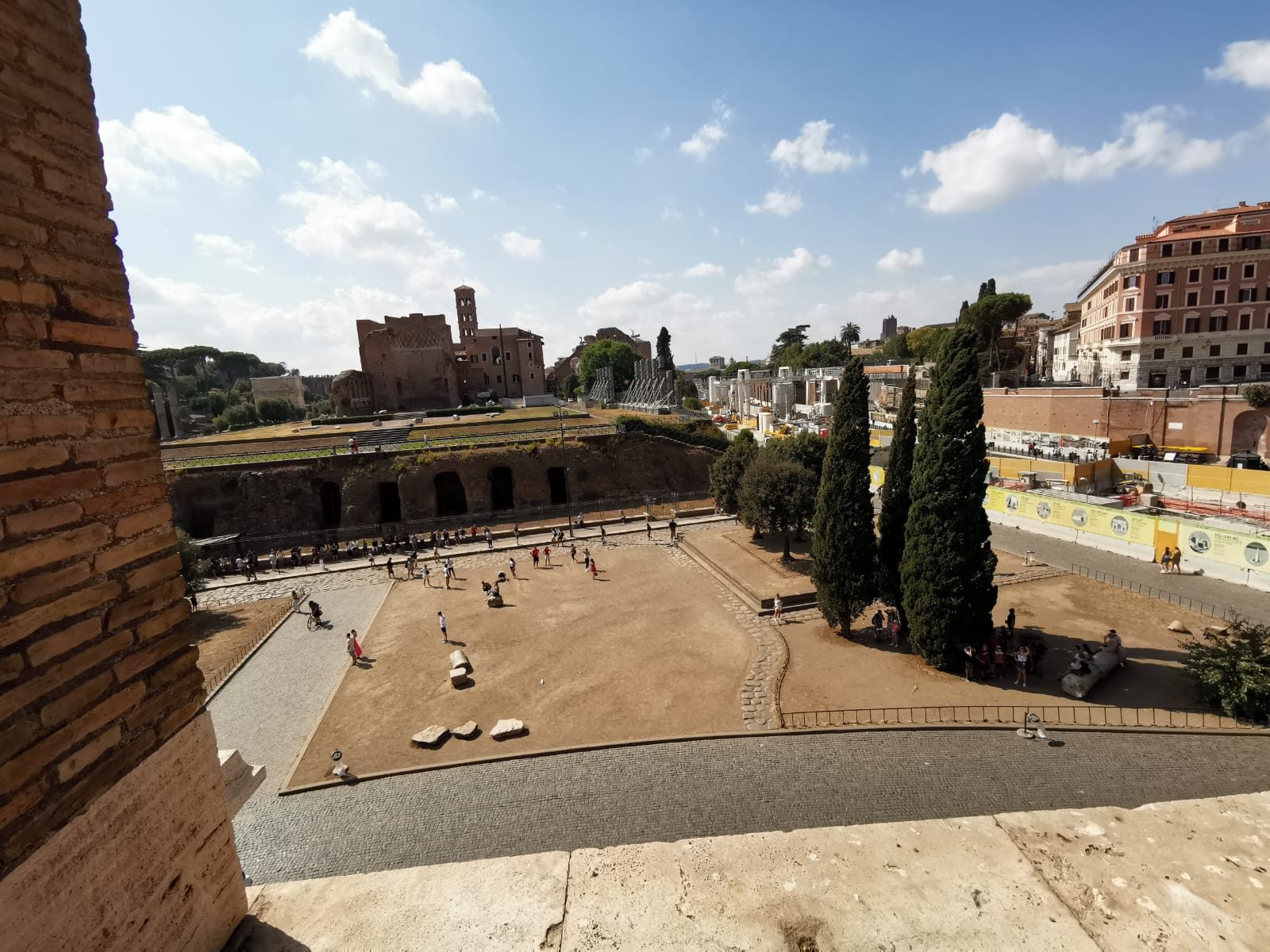
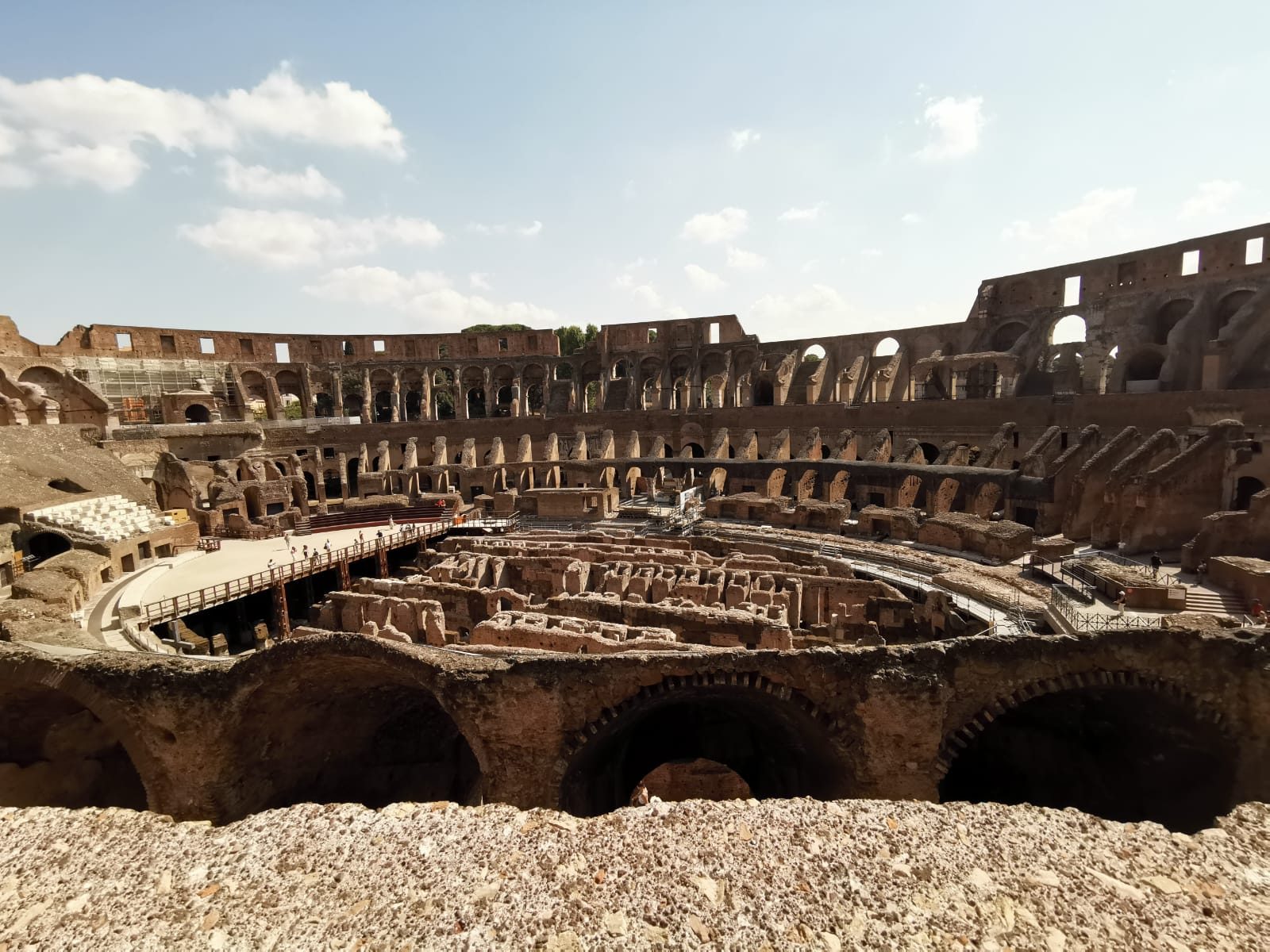
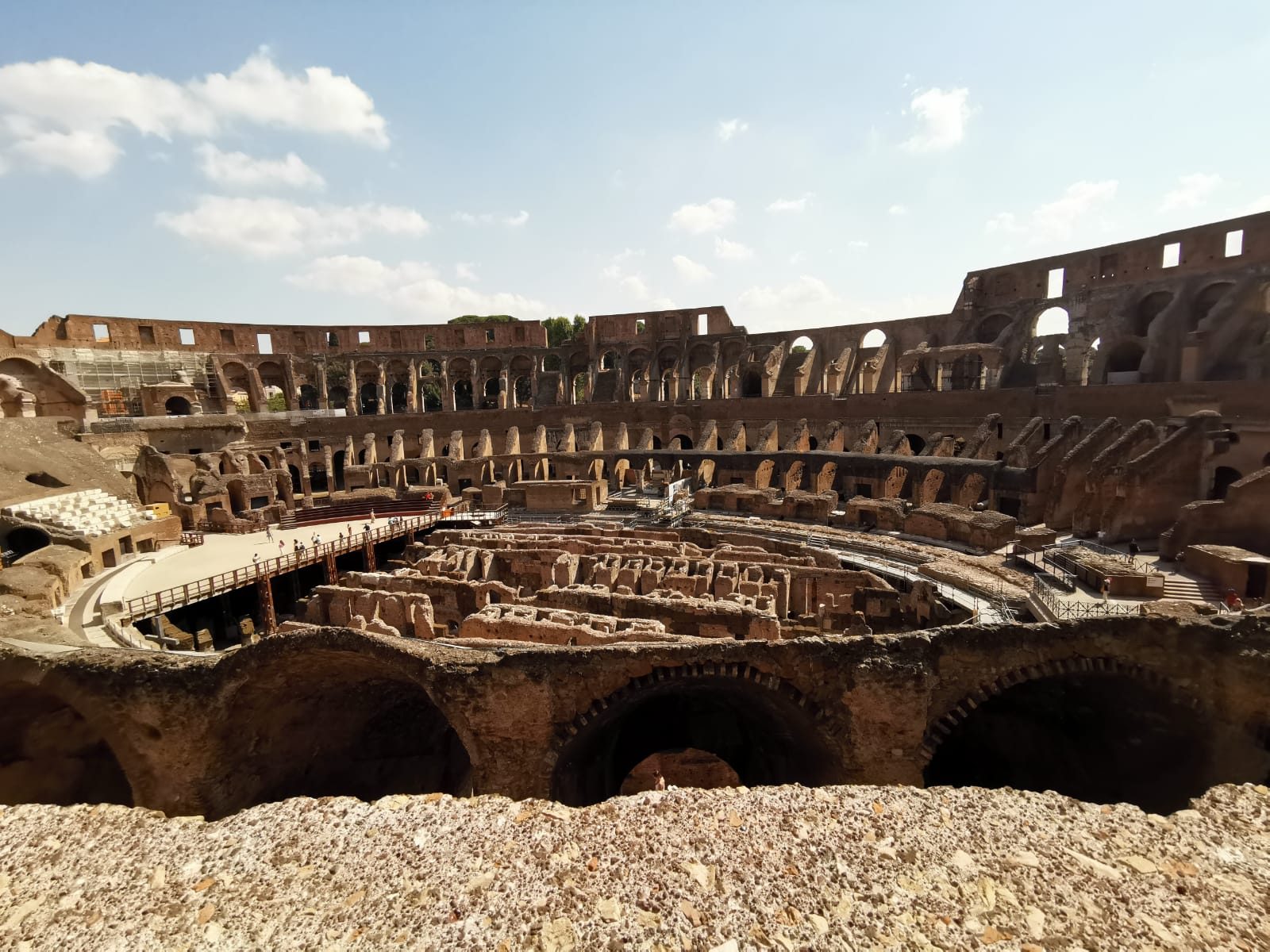
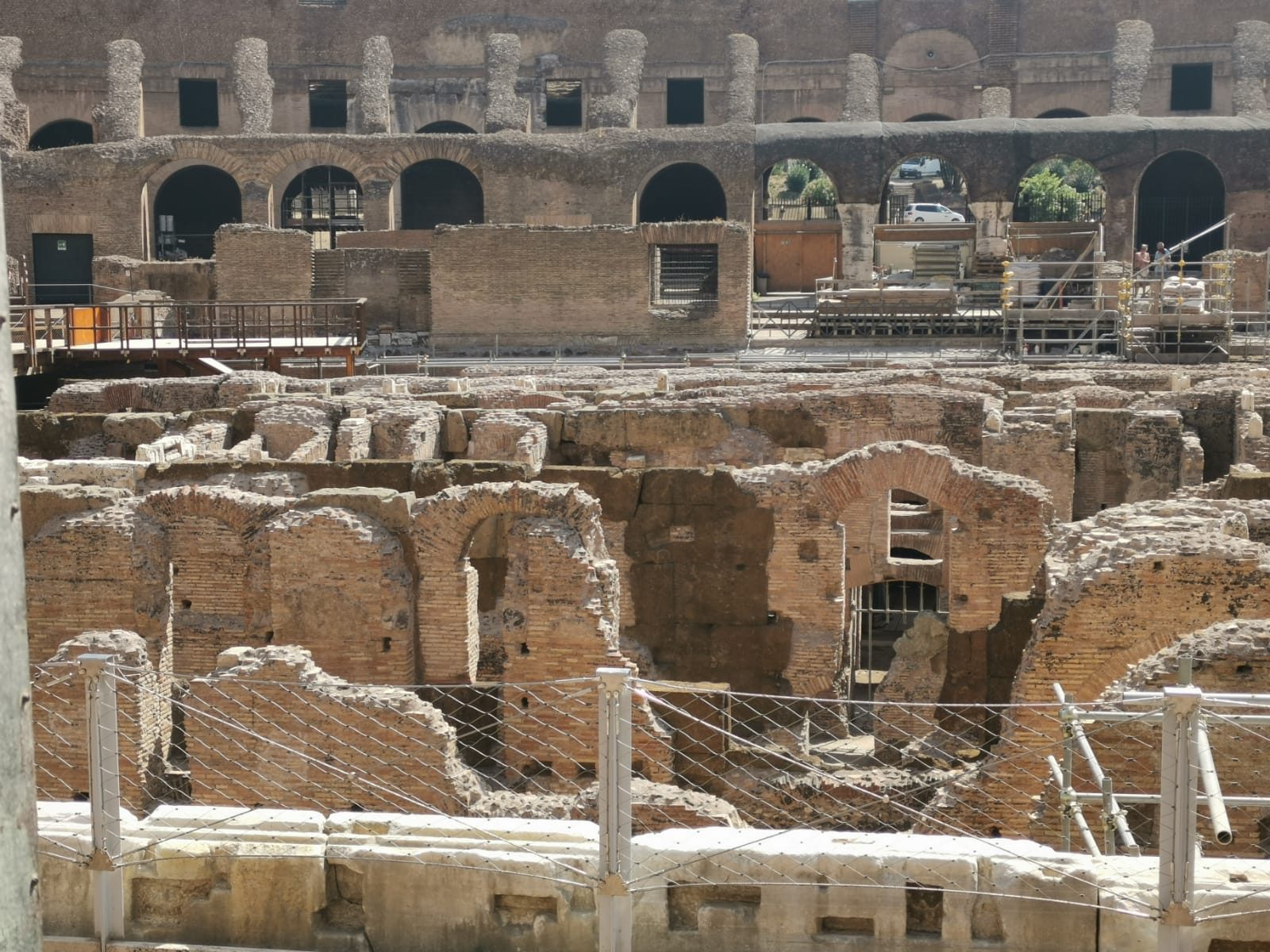
The stone pine, with its distinctive umbrella-shaped canopy, is one of the most iconic trees shaping the cityscape of the Italian metropolis.Right in the middle of the lobby really is the safest place to park, after all.43 degrees outside, 22 inside. The air conditioning is truly giving it everything on this August afternoon.Terraces, countless antennas, and scooters lined up in neat rows: everyday Roman life away from the ancient monuments.The sea gnaws at the stone, rust gnaws at the steel. Both are taking their sweet time.Saltwater, rust, and concrete are still negotiating ownership rights.Salty sea air and iron get along splendidly. At least from the rust's perspective.Once you take root, you stay put. Barnacles take adhesion very seriously.The beach of Ostia with the former Colonia Marina Vittorio Emanuele III, a monumental building complex dating from 1932.From the pier, the view opens onto the former Colonia Marina Vittorio Emanuele III on the beach of Ostia, which opened in 1932.The water is clear enough to watch the sunken stones do absolutely nothing.Secured the best front-row seat for the sunset, yet the gaze remains stoically fixed on the ground.At eye level with the waves. On the horizon, a boat leisurely drifts past as the day draws to a close.The Colosseum was inaugurated in 80 AD under Emperor Titus and was the largest amphitheatre in the ancient world.A late-night stop in front of the illuminated arcades of the Colosseum. It was quite a trek from Central Saxony after all.A Moto Morini Corsarino: Built from 1963 onwards, this four-stroke light motorcycle is considered an Italian classic of the 1960s.One cylinder, plenty of cooling fins, and polished metal. Back when you could still understand every single component with the naked eye.A polished engine block and a kickstarter. Starting this thing still demands genuine physical effort.The Zeta Zeta model variant of the Moto Morini Corsarino was launched in the mid-1960s as a sporty edition.Pulled right up to reception. Well, that's one way to avoid searching for a parking space.Cockpits don't get any cleaner than this: one switch, two levers, and plenty of polished chrome.The headlight stares straight ahead. There's no oncoming traffic indoors anyway.Polished to a high shine and entirely house-trained: Some two-wheelers simply prefer marble over rough asphalt.The little red emergency toolkit was an absolute must on any ride back in the day.Chain oiled and suspension polished. Now all that's missing is asphalt beneath the spokes.A votive relief of Saint Joseph on a tufa wall: Dedicated in gratitude for surviving the bombing of Rome on 18 March 1944.Signpost at the Colosseum: The Stern Entrance is named after architect Raffaele Stern, who buttressed the damaged outer wall with a massive wedge in 1807.Before the arcades of the Colosseum: Built between 72 and 80 AD, this ancient amphitheatre once held space for over 50,000 spectators.View of the Colosseum: The largest amphitheatre of the ancient world was inaugurated in 80 AD under Emperor Titus with a hundred days of games.The surviving coffered arches of the Basilica of Maxentius in the Roman Forum: Emperor Maxentius began its construction in 308 AD.The ancient bronze portal of the Temple of Romulus in the Roman Forum: The door leaves and their lock date from the early 4th century AD.Looking through a grate into the hypogeum of the Colosseum: The subterranean chamber system was built under Emperor Domitian to house animal cages and service lifts.The Colosseum's façade showcases the classical superimposition of architectural orders: Tuscan on the ground level, Ionic above it, and Corinthian on the top tier.With a chain like that, no one's driving off for sure. Then again, you wouldn't really want to sit on it anymore either.Piazza della Repubblica by night: Gaetano Koch's semicircular colonnades trace the outline of the ancient Baths of Diocletian.The semicircular colonnades on Piazza della Repubblica: built at the end of the 19th century by Gaetano Koch along the contours of the ancient Baths of Diocletian.The Fontana delle Naiadi on Piazza della Repubblica. The fountain featuring bronze sculptures by Mario Rutelli was completed in 1901.The Naiad Fountain on Piazza della Repubblica: Mario Rutelli created the bronze nymphs, unveiled in 1901.Adult day care by night in the middle of Rome. Looks like the company outing went a bit further than planned.The parking spot was empty. The local birds knew why.Curiosity clearly knows no partitions.For true privacy, that wall probably should have been a bit higher.A dense forest of antennas above the tiered rooftop terraces. At least good TV reception is guaranteed here.The ancient walls have stood rock solid for two thousand years; the hand on the shutter release that day, not quite so much.Carlo Fontana's Baroque design of 1708 envisioned a domed church right in the middle of the Colosseum's arena. The project was never realized.An architectural model illustrates the inner structure of the Colosseum, with its steep tiers of seating and network of stairways and ambulatory corridors.A monumental stone puzzle for advanced players. At least two pieces have already found each other again.Looking into the excavated hypogeum of the Colosseum, whose subterranean vaults once housed stage machinery and wild animals.View from the Colosseum of the remains of the Temple of Venus and Roma. Behind them rises the Romanesque bell tower of Santa Francesca Romana.View of the remains of the Temple of Venus and Roma—once the largest temple in the city—and the Romanesque bell tower of Santa Francesca Romana.Looking west from the Colosseum: in the background, the Romanesque bell tower of Santa Francesca Romana rises alongside the remains of the Temple of Venus and Roma.The countless holes in the Colosseum's masonry date back to the Middle Ages, when the iron clamps between the stone blocks were chiseled out.The monumental retaining wall once supported the terrace of the Temple of Venus and Roma, the largest sacred building by area in ancient Rome.View from the Colosseum of the Arch of Constantine, erected in honor of Emperor Constantine in 315 AD. The Palatine Hill stretches out in the background.The holes in the Colosseum's travertine blocks are evidence of medieval plunder: the masonry was hacked open to scavenge the iron joining clamps.The Colosseum's vaulted corridors served as an ingenious distribution system to guide tens of thousands of spectators swiftly to their seats.In the Colosseum's vaulted ring corridors, clever traffic flows once guided up to 50,000 spectators to their seats.The three-bay Arch of Constantine was erected in 315 AD, partly using spolia from older monuments. To the right in the background rise the ruins of the Palatine Hill.On the plaza between the Colosseum and the temple terrace once stood the Colossus of Nero, which gave the amphitheater its name.Inaugurated in 80 AD under Emperor Titus, the Colosseum was the largest amphitheater ever built in the ancient world.Beneath the once-wooden arena floor lay the hypogeum: an ingenious network of corridors, holding cells, and freight lifts for animals and scenery.Beneath the arena's original wooden floor lay the hypogeum: a system of passages and lifts for animals, scenery, and gladiators.